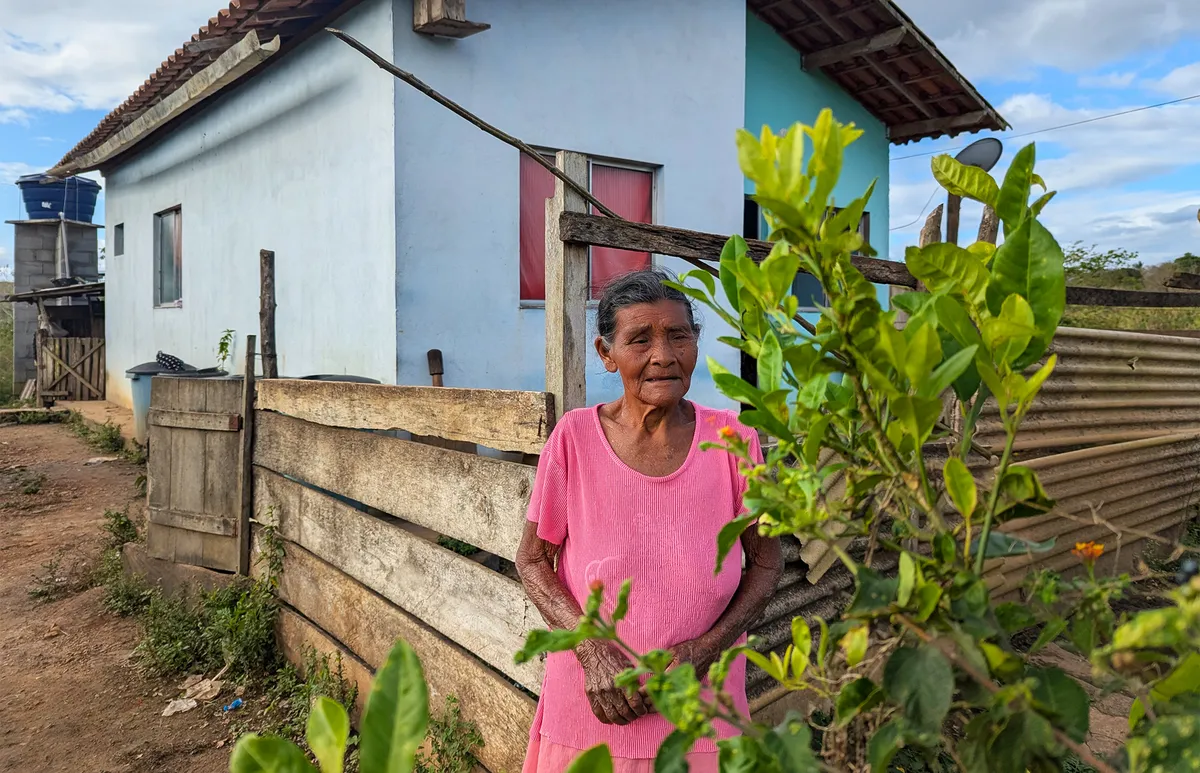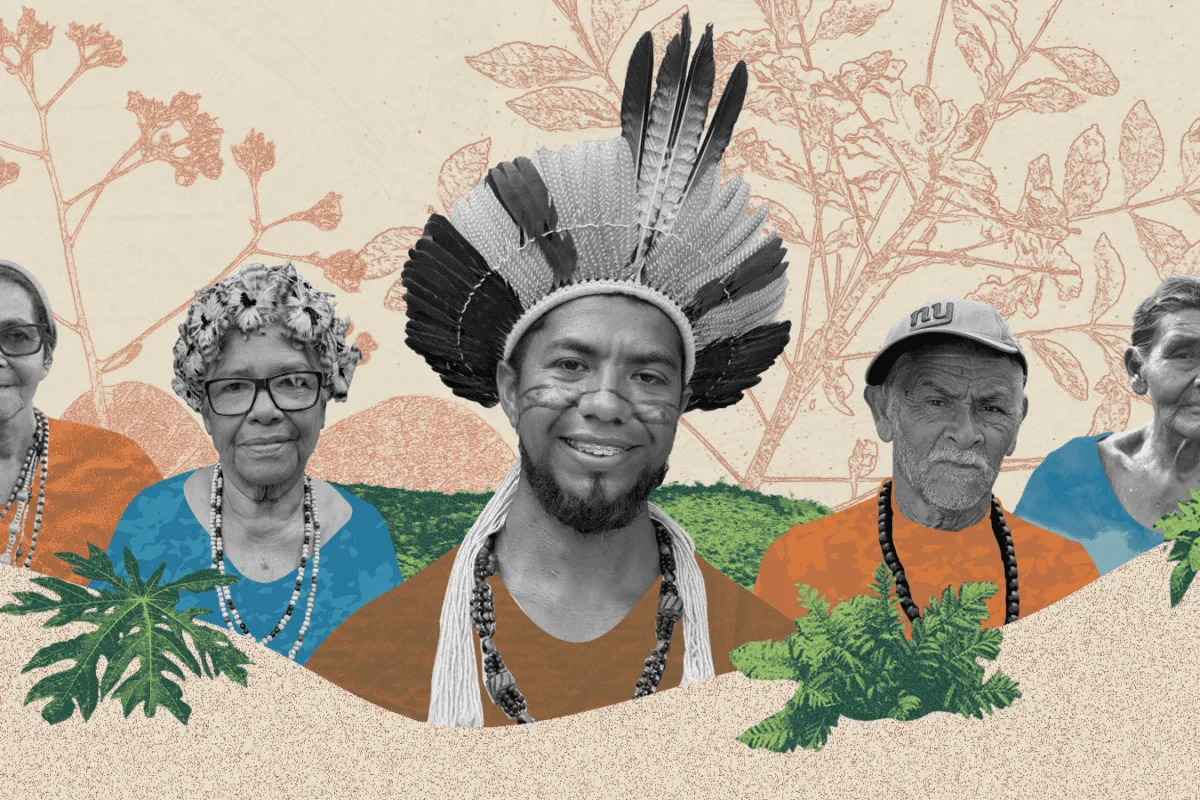
Dona Marta, an 87-year-old Kariri-Sapuyá elder from Brazil, remembered a time when the dry mountains near her home weren't so dry at all. They were forests, brimming with the very plants her community relied on for medicine. A living pharmacy, if you will.
She tended a small vegetable garden in Caramuru village, Bahia state, a final holdout for some of these vital plants. Among them, an embaúba tree (Cecropia pachystachya), whose leaves and bark offered relief for diabetes and prostate issues. Because apparently, even centuries ago, people were thinking about their prostate.
But Dona Marta also spoke of loss. Decades of outsiders clearing forests for cattle pastures meant many native species vanished. One in particular, puaia, used for snake bites and an illness elders described as causing fever, headaches, and body twisting, is now gone from those deforested mountains. A plant that could literally save a life, wiped out for a cow.
We're a new kind of news feed.
Regular news is designed to drain you. We're a non-profit built to restore you. Every story we publish is scored for impact, progress, and hope.
Start Your News DetoxThe First Published Indigenous Ethnobotanist
Dona Marta passed away in late 2025, but her wisdom didn't disappear with her. It's now preserved in a scientific study, thanks to Hemerson Dantas dos Santos Pataxó HãHãHãi. He's the first published Indigenous ethnobotanist, and with professor Eliana Rodrigues, he’s ensuring that traditional knowledge isn't just a memory, but a documented legacy.
This work, published in the Journal of Ethnobiology and Ethnomedicine, is a quiet triumph. It's a testament to the fact that while forests can be destroyed, the knowledge held within them — and within their people — can, with determination, be saved. And shared. Which, if you think about it, is a pretty good way to remember a forest.