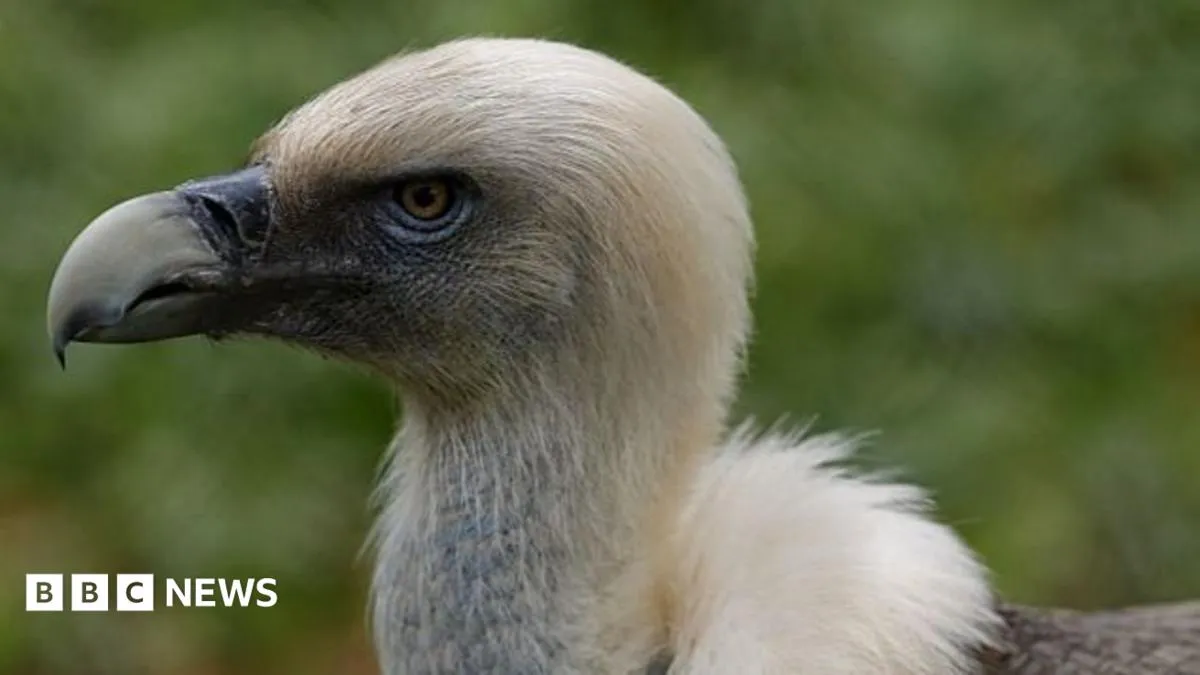
"People fear the environment where the shrine is. No evil will ever happen here. So, nobody fights vultures that perch here," says a man known as the Vulture King.
Vultures are often linked to death, so their disappearance from many West African cities went unnoticed at first. However, their decline across Africa is now impossible to ignore. Conservationists warn that hunting for traditional beliefs and spiritual practices threatens several vulture species with extinction.
Without vultures, ecosystems lose a natural defense against disease. But in Awka-Etiti, a town in southeastern Nigeria, residents are working to protect these birds.
We're a new kind of news feed.
Regular news is designed to drain you. We're a non-profit built to restore you. Every story we publish is scored for impact, progress, and hope.
Start Your News DetoxA Sacred Forest and the Vulture King
Awka-Etiti is home to a sacred forest with a shrine dedicated to a deity called Nguma. An ancient tree stands at its heart, which locals say has watched over the community for hundreds of years.
Though mostly Christian, some residents still follow traditional practices where vultures are important. Chukwuemeka Igwe, known as the "King of Vulture" for his work with the Nigeria Conservation Foundation (NCF), says the local people do not hunt vultures.
Instead, locals sometimes offer animal sacrifices at the shrine, which attract the birds. Their presence is seen as a good omen, suggesting the deity has accepted the sacrifice. Igwe, now in his 50s, says vultures have always been a part of daily life in the town, walking among people and scavenging for food.
Why Vultures Matter
Many people find vultures unattractive. But scientists say these birds provide a crucial cleaning service. Vultures eat dead animals quickly, stopping carcasses from becoming breeding grounds for dangerous bacteria and diseases.
NCF conservation biologist Stella Egbe explains that in places where vultures have disappeared, there has been a rise in zoonotic diseases. Vultures' strong stomach acids allow them to safely eat infected animals, which helps prevent diseases like anthrax and rabies from spreading. Without them, ecosystems lose a natural defense system.
Rapid urban growth in Africa has also destroyed many tall trees where vultures nest.
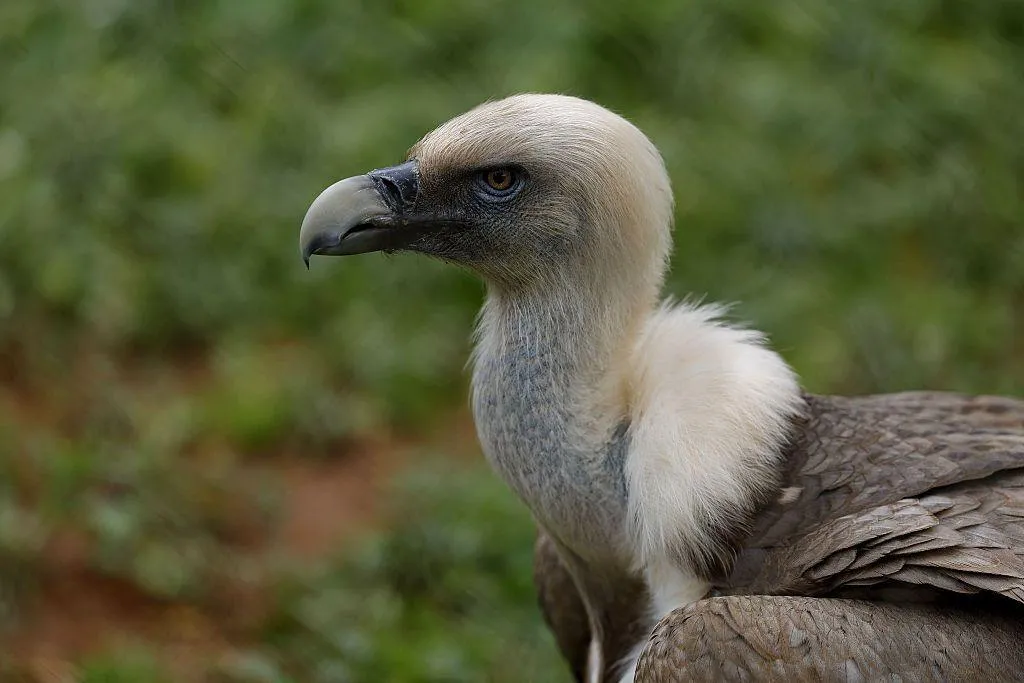
Poisoning causes about 60% of vulture deaths in Africa, according to BirdLife International. The use of vultures and their body parts in traditional medicine and Vodun is also a major reason for their decline, especially in West and southern Africa.
The price of a dead adult vulture in Nigeria has risen sharply, from about 25,000-30,000 naira ($18-$22) to 200,000 naira ($145). Vulture eggs and nests are also being targeted. This is catastrophic for a slow-breeding species. Adult vultures only produce one chick every one or two years, and many young birds do not survive their first year.
Seven African vulture species are now classified as Endangered or Critically Endangered by BirdLife International. African vulture populations have dropped by 80% to 97% over 50 years. In January 2020, over 2,000 hooded vultures were found dead in Guinea-Bissau, many with their heads removed, suggesting belief-based practices.
Fighting Back in Awka-Etiti
As vulture numbers fall across the region, conservationists looked for communities where these birds were not hunted or exploited. They found one in Awka-Etiti.
However, Igwe and other residents became concerned when outsiders started hunting the birds, causing vulture numbers to drop. To save the birds, Igwe visits markets and public spaces to spread awareness. He tells people that vultures are helpful to human life.
For the past six years, Igwe has worked with the NCF. He has mobilized community leaders, local groups, and security teams to protect the birds from outside hunters. Local bylaws now help formalize their protection.
Local volunteers monitoring the birds have recorded over 160 vultures, a significant increase from about 20 in 2017.
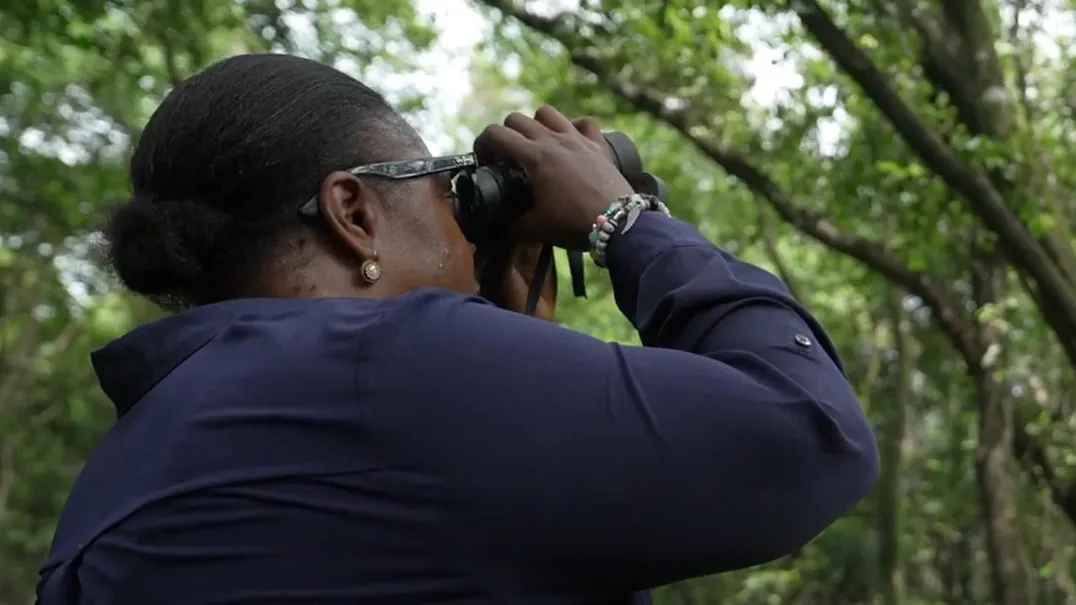
Nigeria has become a major hub for the illegal trade of vultures. Abdullahi Maiwada, a spokesman for the Nigerian Customs Service, says they are working to suppress the smuggling of protected species. He emphasizes that education is crucial, alongside enforcement.
This message is central to conservation efforts in Awka-Etiti and other parts of Nigeria. While data is limited, conservationists see encouraging signs in Awka-Etiti. Local involvement has made residents vigilant against outside hunters.
Igwe confirms that the missing vultures are returning. Egbe believes Awka-Etiti shows what is possible when communities lead conservation efforts. For Igwe, every returning bird brings hope. However, with populations still declining across Africa, he knows protecting them will require more than just one community.