Remember Björk's 2015 MoMA retrospective? The one critics universally panned? Well, her hometown in Iceland is stepping in for a much-needed do-over. The National Gallery of Iceland is offering a new exhibition that, thankfully, aims for something a bit more... Björk-ian.
This time, the focus isn't on trying to fit her boundless creativity into a sterile art museum box. Instead, it dives into her unique "sonic symbolism"—the idea that sound isn't just heard, but seen.
Where Sound Becomes Sight
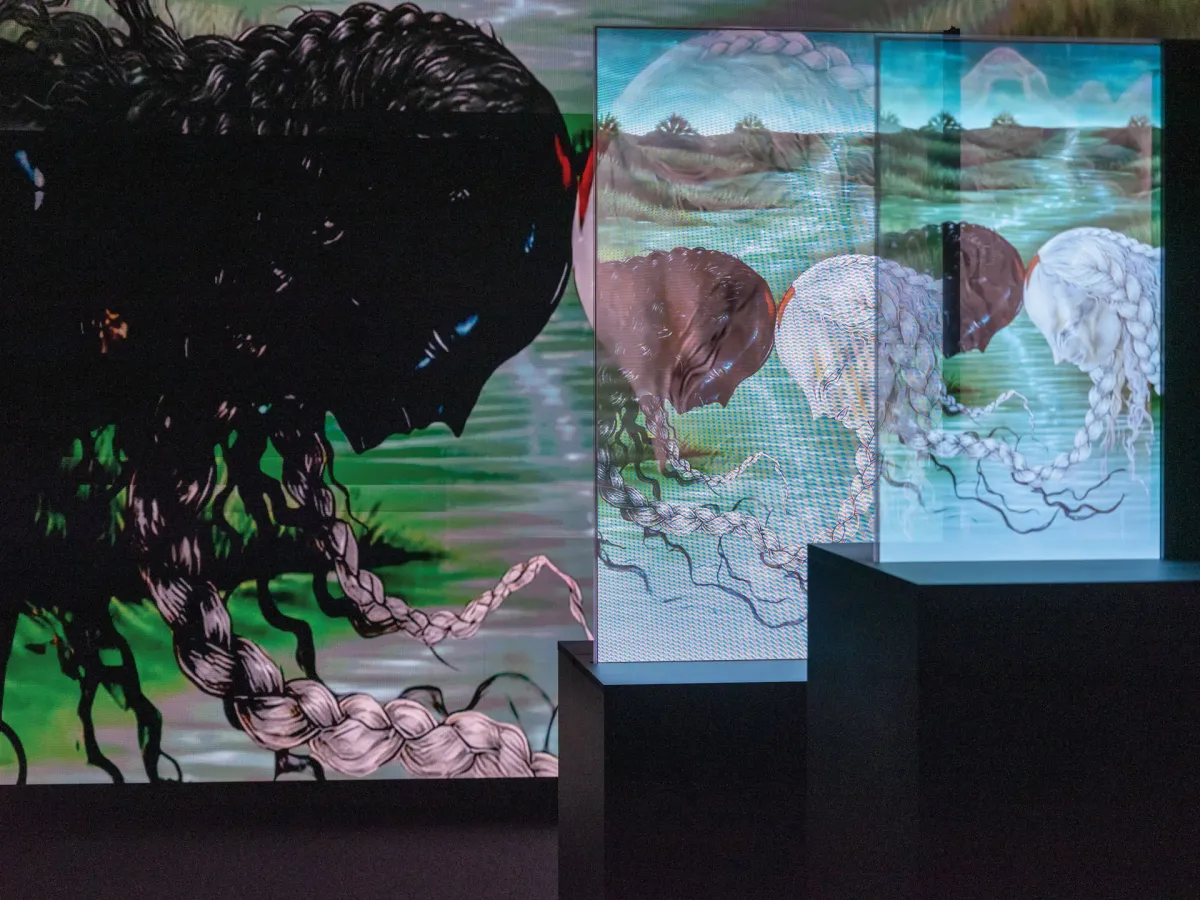
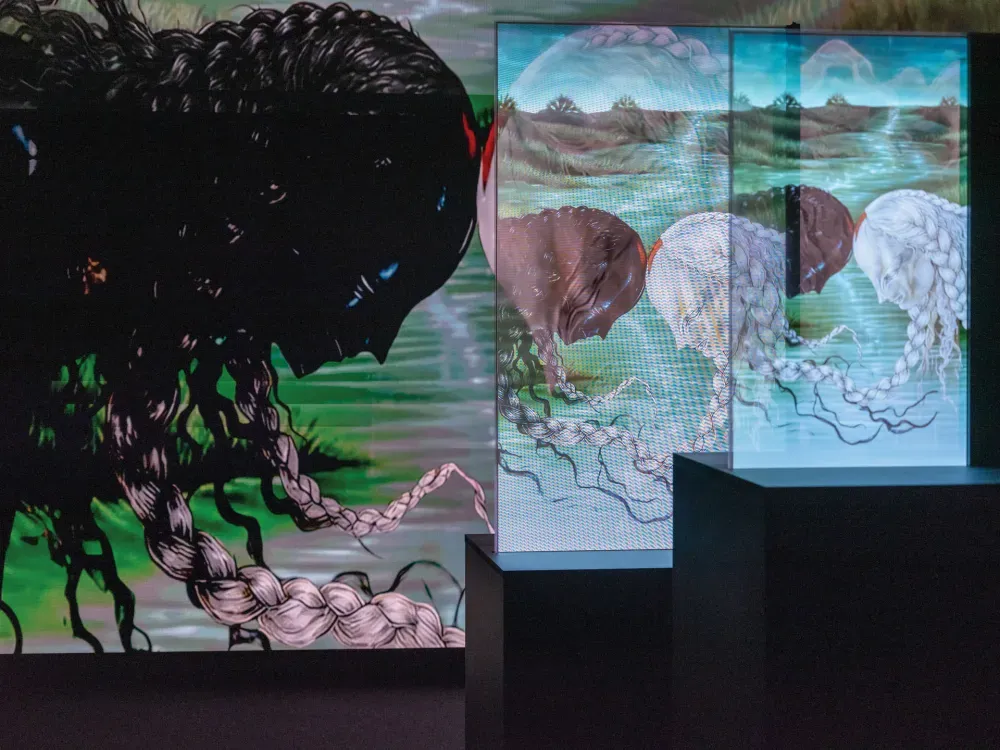
Take "Nerve Bloom," a brand-new song. Björk brought in painter Natalia Kleszczewska and 3D artist Natalie Liu to visualize it. The result? Animated, plant-human hybrids slithering on a screen, while larger displays show horses morphing between the fantastical and the familiar. All set to Björk's voice, piano, and percussion, singing about "neurons glowing." It's described as "transfixing" and "psychedelic," which, frankly, sounds about right.
We're a new kind of news feed.
Regular news is designed to drain you. We're a non-profit built to restore you. Every story we publish is scored for impact, progress, and hope.
Start Your News DetoxBut it's not all new experiments. The exhibition also features two tracks from her 2022 album Fossora, both deeply connected to her late mother, environmental activist Hildur Rúna Hauksdóttir.
"Sorrowful Soil" gets a fresh arrangement, with a choir recorded to sound distinct through thirty high-fidelity speakers. Björk’s own wall text offers a wry observation: "It turns out that speakers are human … or sound-puppets." The accompanying video shows her singing on a rock, lava flowing in the background, a haunting tribute to maternal lineage.
Then there's "Ancestress," written shortly after her mother's passing. Its video is projected large, showcasing a ritualistic procession through an Icelandic valley, while the gallery walls are draped in a red textile woven with the song's actual musical score. Because, of course, they are.
The Power of Collaboration
This whole affair is a centerpiece of the Reykjavík Arts Festival, and it extends beyond Björk herself. The National Gallery also hosts a show for James Merry, the artist behind many of Björk's elaborate masks and jewelry. He’s been her creative partner since 2009, describing their relationship as a "symbiosis" where his masks "blur her edges" and bring out "other archetypal aspects." Which, if you've seen her stage presence, makes perfect sense.
The curator highlights that these exhibitions, while distinct, are "intertwined," reflecting the vibrant creative community in Reykjavík. It’s a smart move, presenting Björk not as some "overextended polymath" trying to do it all, but as a collaborative artist and, as they put it, a "musical matriarch." Finally, an exhibition that understands her.