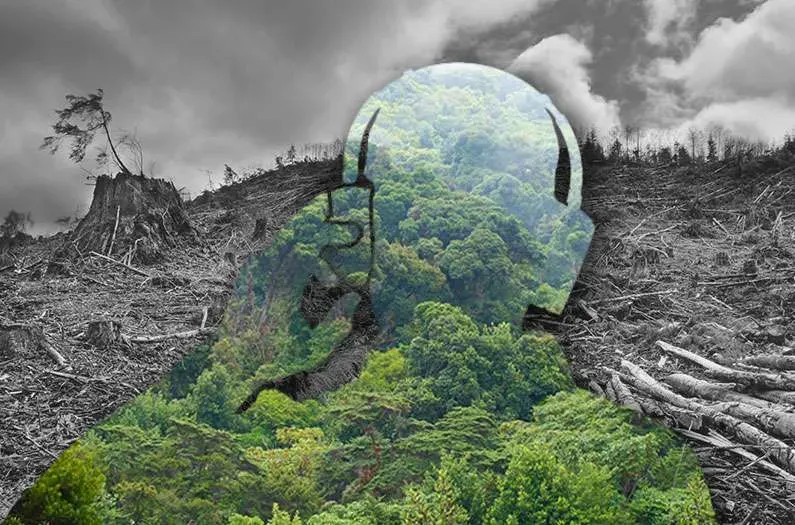
Indonesia's government made a high-profile commitment at COP30 in 2025: recognize 1.4 million hectares of customary forests controlled by Indigenous communities. It was framed as a watershed moment for forest protection. But on the ground, something else is happening. Land seizures are accelerating at triple the rate of the previous decade, and violence against Indigenous defenders is rising.
The gap between what's promised at climate conferences and what's actually protected in the field has rarely been starker.
The Promise and the Reality
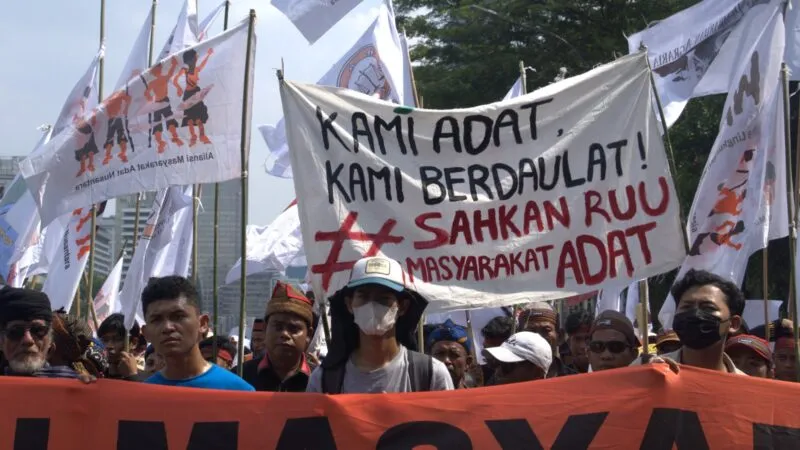
Indonesia is home to an estimated 50 to 70 million Indigenous people across more than 2,000 recognized groups, concentrated on Borneo, Sulawesi, and Sumatra. These communities have stewarded forests for centuries. At COP30, the Indonesian government acknowledged this role and announced its customary forest recognition target. The Indigenous Peoples Alliance of the Archipelago (AMAN), which represents these communities, welcomed the announcement but immediately qualified it: this is just a first step.
We're a new kind of news feed.
Regular news is designed to drain you. We're a non-profit built to restore you. Every story we publish is scored for impact, progress, and hope.
Start Your News DetoxThere's reason for caution. The government already holds maps for 33.6 million hectares of Indigenous territories—more than 23 times the promised recognition target. The actual potential is far larger. Yet even as this commitment was being made, the seizures were accelerating.
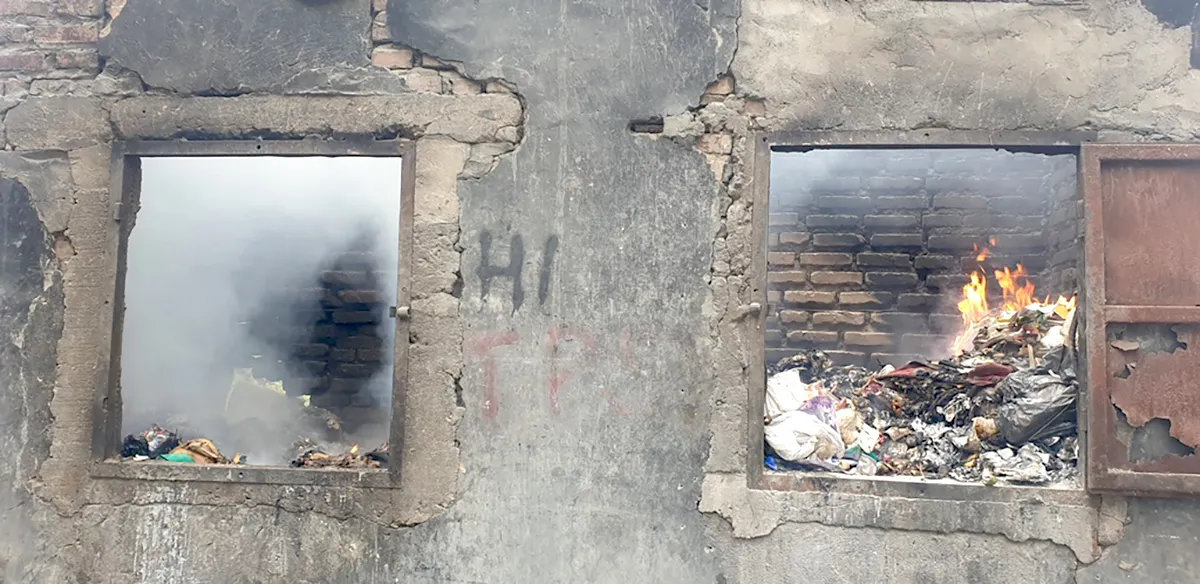
In 2025 alone, AMAN documented that 38 million hectares of Indigenous land were taken by the state or state-backed projects. That's three times the previous decade's average of 1.1 million hectares per year. The scale is staggering: 135 documented cases of customary land seizure across 109 Indigenous communities, and 162 communities facing criminalization or violence tied to development projects—geothermal plants, bioenergy schemes, dams, and conservation areas that displace rather than protect.
Rukka Sombolinggi, AMAN's secretary-general, calls this "moral violence"—policies designed to make land-taking easier, backed by criminalization of those who resist. The government, he says, continues to deny the reality of what's happening.
Where the Pressure Points Are
One concrete lever exists: the Indigenous Peoples Bill, stalled in Indonesian parliament for over a decade. If passed, it could end structural discrimination, recognize ancestral land rights, and create legal barriers to repeated seizures. It would also signal whether state officials are actually complying with Indonesia's own constitution, which theoretically protects Indigenous rights.
At the international level, there are small wins. Eleven countries at COP30 agreed to recognize global tenure rights covering 160 million hectares. Philanthropic groups and developed nations pledged $1.8 billion in funding for Indigenous-led conservation. But pledges and recognition are not the same as protection. Since COP30, Indonesia's 1.4 million hectare commitment has seen no official progress.
The real test isn't what gets announced in conference halls. It's whether communities can actually defend their forests without fear of violence or criminalization. For that to happen, the promises made in 2025 would need to become law—and law would need to be enforced. Neither is guaranteed.