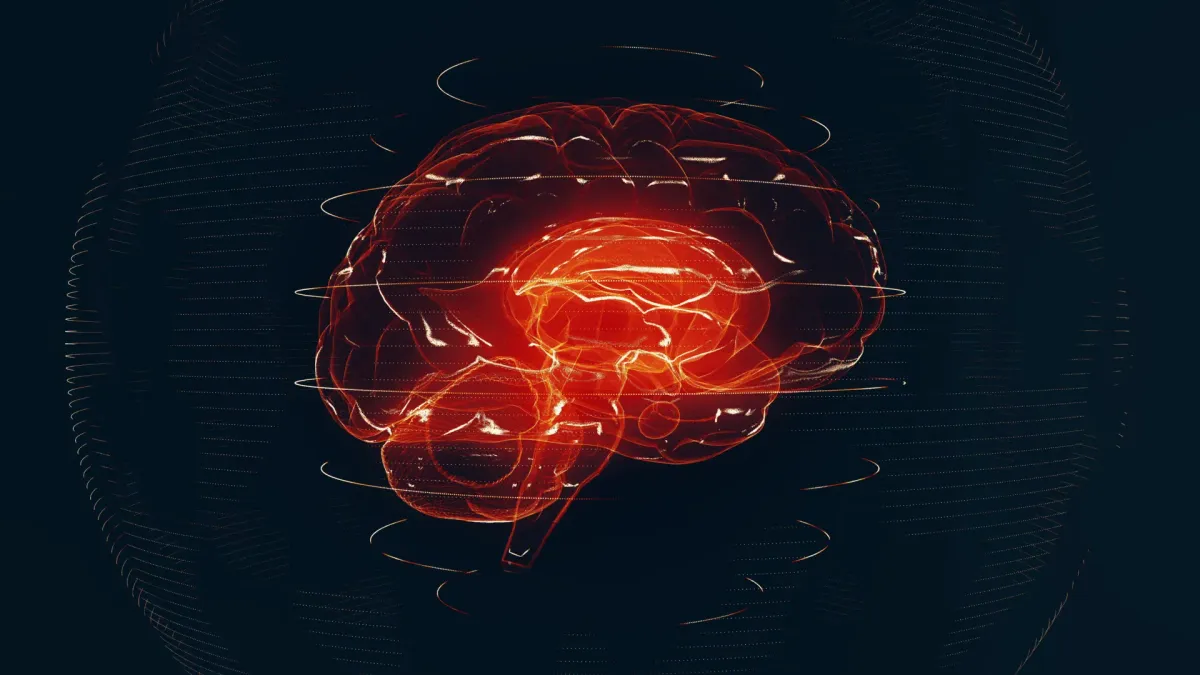
A team at the University of Michigan has built an AI called Prima that can scan and interpret brain MRIs in seconds—spotting everything from strokes to hemorrhages to tumor markers, often faster and more reliably than radiologists working alone.
The stakes here are real. Brain emergencies demand speed. A stroke patient loses roughly 1.9 million brain cells per minute without treatment. A hemorrhage needs immediate intervention. Yet across the US and globally, the demand for MRI scans has outpaced the number of neuroradiology specialists available to read them. Rural hospitals especially feel the squeeze—sometimes waiting days for a remote radiologist to review images. Prima was built to close that gap.
Over one year, researchers tested Prima on more than 30,000 MRI studies, covering over 50 different neurological diagnoses. The system wasn't just accurate; it outperformed other advanced AI models at identifying which cases needed urgent care. The difference matters. A stroke flagged as routine instead of critical could mean the difference between recovery and disability.
We're a new kind of news feed.
Regular news is designed to drain you. We're a non-profit built to restore you. Every story we publish is scored for impact, progress, and hope.
Start Your News DetoxHow Prima works differently
Prima is a vision language model—a type of AI that processes images, text, and context together in real time. The key difference from earlier AI systems: Prima was trained on over 200,000 MRI studies and 5.6 million imaging sequences, plus patient clinical histories. It doesn't just look at the scan in isolation. It reads the patient's medical background, symptoms, and test results the way an experienced radiologist would, building a fuller picture before making a call.
"Prima works like a radiologist by integrating information regarding the patient's medical history and imaging data," said co-author Samir Harake. "This enables better performance across a broad range of prediction tasks."
The researchers are careful not to oversell this. They describe Prima as a co-pilot, not a replacement. The system still needs human oversight—a radiologist reviewing Prima's flagging and recommendations. But that's the point. A radiologist can now work faster, with Prima handling the initial scan interpretation and prioritization while the specialist focuses on the cases that need the most judgment.
What this means for access
For a rural hospital with one part-time radiologist, Prima could mean MRI results in hours instead of days. For an urban trauma center, it could mean faster triage during a stroke alert. For patients, it could mean earlier treatment and better outcomes.
The researchers acknowledge they're still in early stages. Future versions will incorporate more detailed patient data from electronic medical records, likely improving accuracy further. But the foundation is solid: a system that reads scans as fast as a computer can process them, with the diagnostic judgment of a specialist trained on hundreds of thousands of cases.
The next phase is real-world deployment—watching how Prima actually performs when integrated into hospitals' existing workflows, where the true measure of success isn't just accuracy, but whether it genuinely helps patients get faster care.