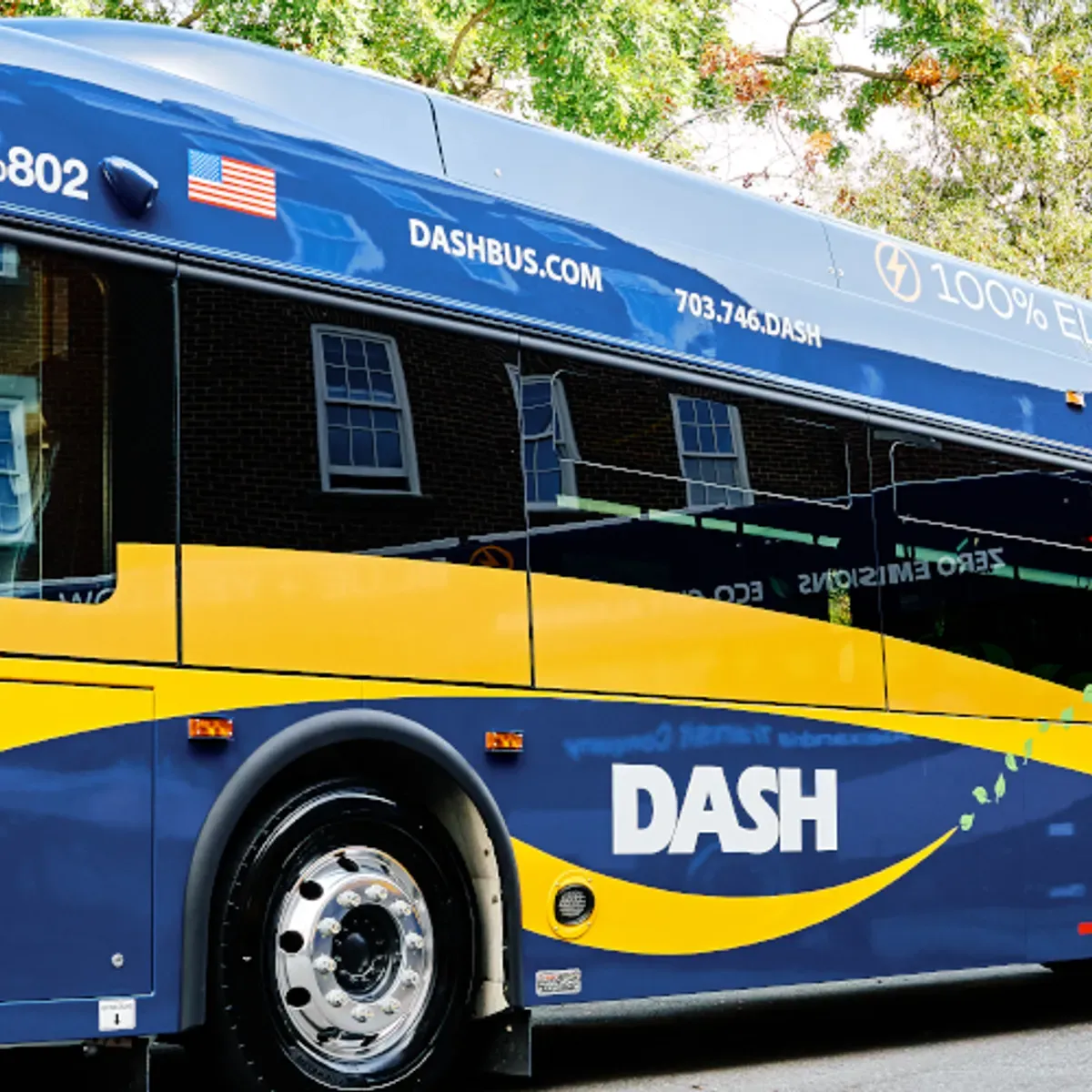
Alexandria, Virginia, just solved one of electric transit's trickiest problems: keeping buses on the road instead of parked at the depot waiting to charge.
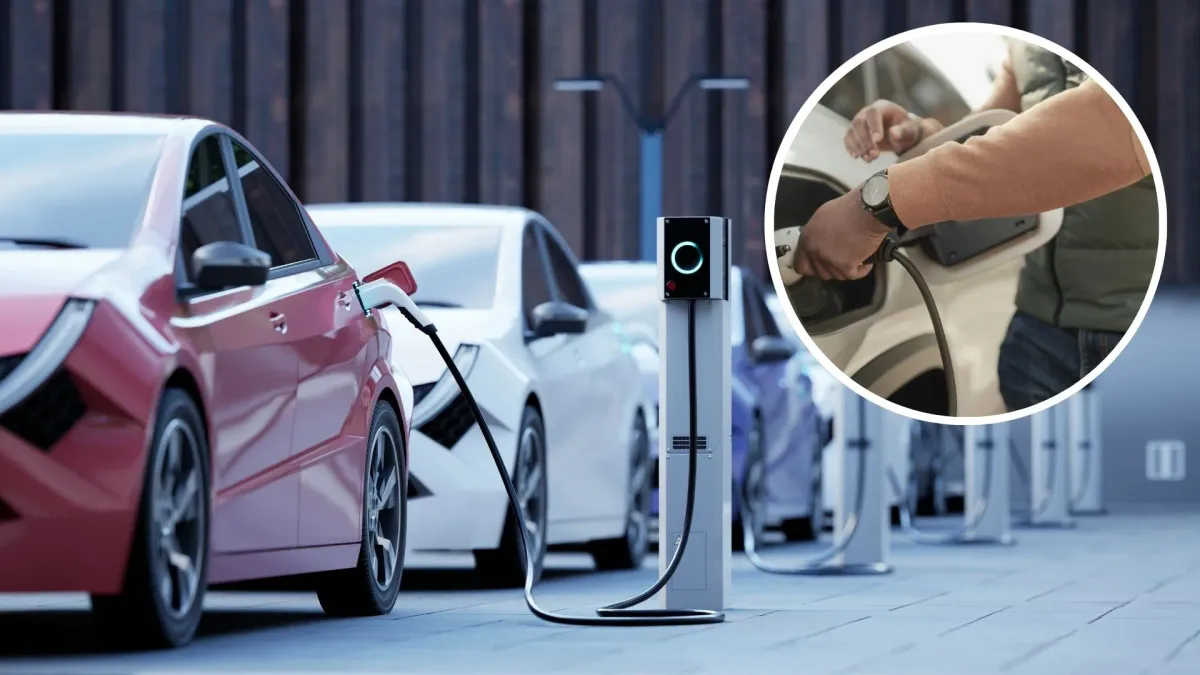
The city's transit system, DASH, has installed overhead electric chargers that juice up buses while they're still running their routes. It's faster than the plug-in chargers currently in use, which means buses spend less time idle and more time carrying passengers. The move extends how far each bus can travel on a single charge and cuts greenhouse gas emissions in the process.
This isn't Alexandria's first swing at bus electrification. The city started planning the shift back in 2019 and funded its first six buses that same year. By 2021, those initial vehicles were on the road. As of this November, DASH had 16 fully electric buses in service, with another 20 already funded and on order. The strategic plan calls for 27 more in coming years.
We're a new kind of news feed.
Regular news is designed to drain you. We're a non-profit built to restore you. Every story we publish is scored for impact, progress, and hope.
Start Your News DetoxThe infrastructure to support this expansion is already under construction. In October 2025, the city broke ground on a new facility designed to eventually house up to 24 overhead chargers, plus solar panels and battery storage systems. That combination matters: the solar arrays will help power the chargers themselves, which means the buses aren't just running cleaner—they're charging with renewable energy.
A transit system that's already working
The timing of this expansion reflects something worth noticing: DASH isn't betting on electrification as some distant future bet. The system has already proven it can operate without fares (it went free in September 2021) and still attract riders. In fiscal year 2024, DASH carried 5.3 million passengers—an all-time high. More people riding transit means more emissions prevented, and more reason to keep improving the experience they have.
Electric buses are quieter, cleaner at the point of use, and cheaper to maintain than diesel. But they've traditionally had a range problem: you charge them overnight, they run all day, then they're done. In-route chargers solve that by letting buses top up between shifts, turning a limitation into a non-issue. It's the kind of infrastructure problem that doesn't make headlines until it's solved, then suddenly feels obvious.
Alexandria's next step is straightforward: keep building out those chargers and keep adding buses. With 20 more already in the pipeline and another 27 planned, the city is moving past the pilot phase into actual fleet transformation.