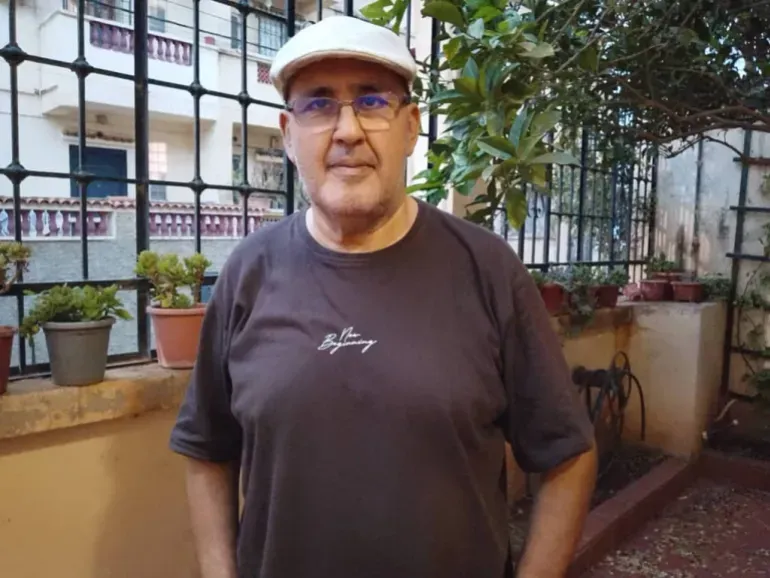
Ahmed Krim taught English in Algerian middle schools for 30 years. He saw English remain less valued than French, even though French was the language of Algeria's colonizers. French has been part of daily life for six decades after independence.
On July 25, Algeria's Education Minister, Mohamed Seghir Saadaoui, announced a big change. Starting in the 2026-2027 school year, English will be the only foreign language taught to eight-year-olds in the third year of primary school. French will move to the fourth year, ending its long dominance in foreign language classes.
Krim called this a "very good decision." He added that it needs careful thought, planning, and resources.
We're a new kind of news feed.
Regular news is designed to drain you. We're a non-profit built to restore you. Every story we publish is scored for impact, progress, and hope.
Start Your News DetoxA New Language Direction
This change is part of President Abdelmadjid Tebboune's plan to update Algeria's language use. He first spoke about this in 2022 when English was introduced to primary schools.
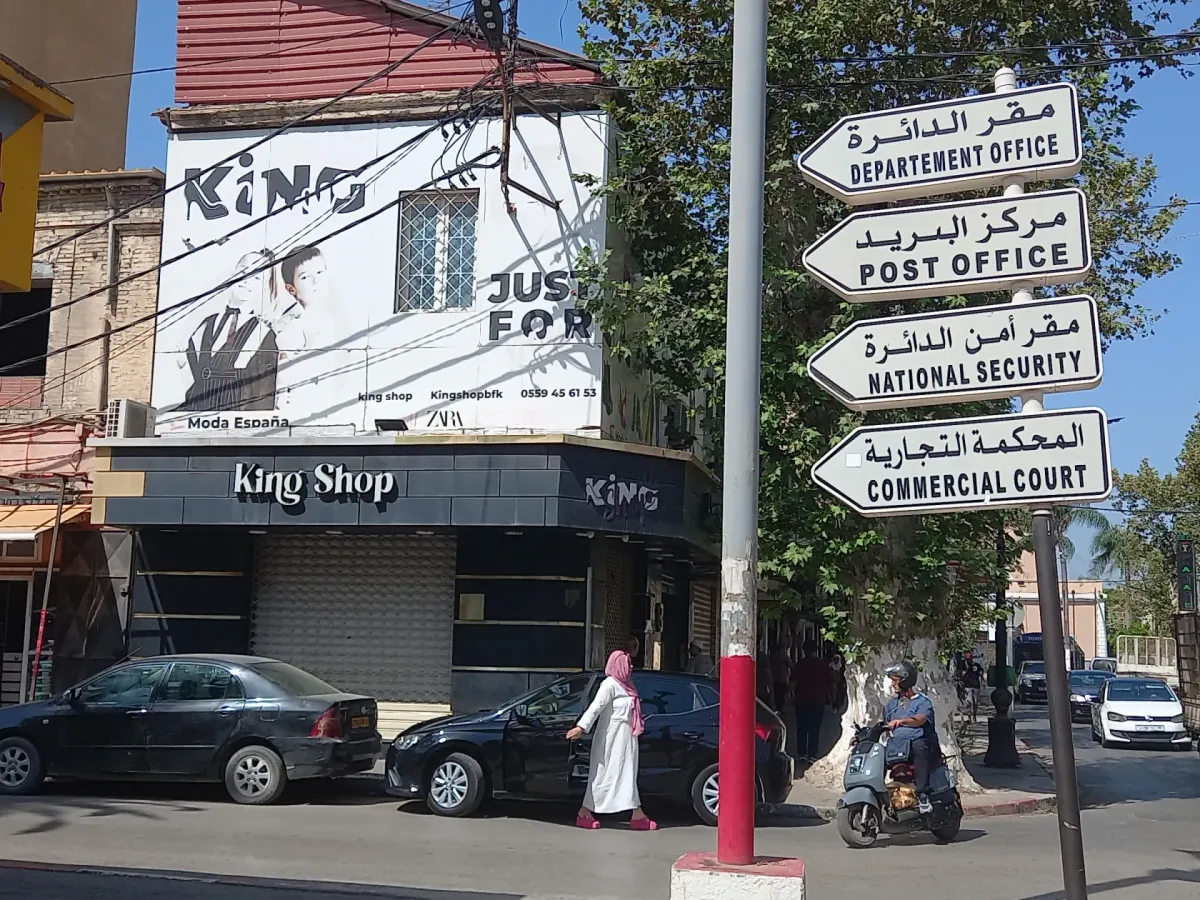
Since then, medical and science departments at universities have started switching from French to English. French has also been removed from some utility bills and airline tickets. Road signs now show English alongside Arabic, and government websites will offer English as an option.
This shift from French to English is a major change. It comes during a difficult time in relations between Algeria and France. This is the most serious diplomatic crisis since Algeria gained independence from France in 1962.
In July 2024, French President Emmanuel Macron supported Morocco's claim over Western Sahara. Algeria supports the Sahrawi Polisario Front and hosts many Sahrawi refugees. Algeria saw Macron's statement as a major provocation. This and other issues led to both countries expelling diplomats. The move to replace French with English sped up after this diplomatic crisis.
Challenges in the Classroom
Ahmed Krim believes the entire education system in Algeria might need a fresh look. He said that specialized training centers for teachers should be brought back. He also stressed that people should genuinely want to teach, not be forced into it.
Krim mentioned institutes that trained primary and middle school teachers after independence. These centers combined classroom learning with practical school placements. They helped fill the need for Arabic teachers until the late 1990s. Economic problems then led to fewer, more selective teacher training schools. Today's university graduates often lack the practical classroom experience these older centers provided.
Krim also said that school curricula should be designed by "a qualified body" with language and teaching experts, free from political ideas.
However, journalist Noureddine Bessadi noted that ideology is important in Algeria. The country fought a long, bloody war to end French colonialism.
Bessadi explained that since independence in 1962, every change in language policy has been a political fight as much as an educational one. After independence, Algeria's "Arabisation" effort replaced French in government and education. This was part of building the state and strengthening Algeria's identity, focusing on Arabic and Islam.
Tamazight, a language spoken by about a quarter of Algerians, was overlooked until 1995. Bessadi said this was due to an idea of unity that favored one language and culture.
Some critics worry that the switch from French to English is happening too fast. They believe there aren't enough qualified English teachers. However, a source familiar with the situation said there are enough teachers for primary schools. Any shortages could be filled by contract teachers. In February, Algeria's education ministry reportedly hired about 15,000 English teachers for primary schools.
Rafik Laceb, an English lecturer, is cautiously hopeful about the primary school changes. But he thinks the push to teach university subjects in English is too rushed and poorly done. He noted that the university experiment, which started in 2023-2024, had too few teaching hours. It also lacked proper assessment of students' English levels and no tracking of their progress.
At Tizi Ouzou University's English department, about 50% of teaching is done by younger contract staff. Laceb said a young contract teacher needs to understand basic medical principles before teaching medical terms in English.
Creating Equal Opportunities
Currently, children in state primary schools only start learning a foreign language in the third year. In contrast, private schools teach multiple languages from kindergarten.
Djamel Merah's daughter attended private schools and learned Arabic, French, and English from kindergarten. He welcomes the government's reforms for state primary schools. He believes it will give more children the chance to learn English. Merah said it helps close the gap between children who get multilingual education early and those in public schools who don't.
English Books Gain Popularity
There's also a growing interest in English among the public, even before the government's push. Krimo Taleb, a bookseller in Tizi Ouzou, has seen more English-language books sold, especially to female readers.
He believes this trend is separate from government decisions. Taleb noted that most young readers today speak three languages fluently. His own daughter, a middle school student, reads well in Arabic, English, and French.
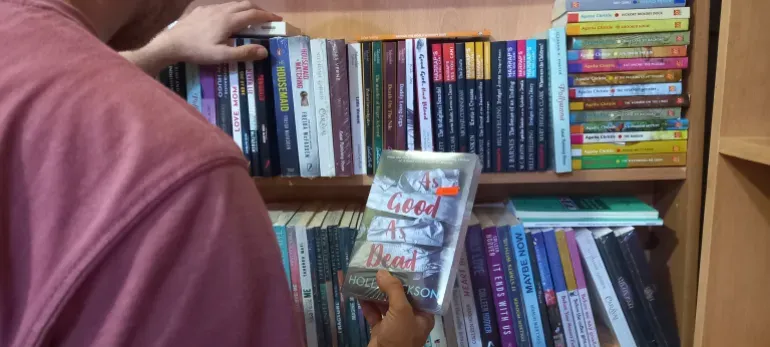
Authors like Colleen Hoover, Ana Huang, and J. K. Rowling are bestsellers at his shop. Taleb said that his bookshop used to mainly sell Shakespeare's works for English literature students. Now, there's a wide variety of English books for the general public.
Despite these changes, French is still Algeria's most influential foreign language. About 15 million Algerians, nearly a third of the population, speak French. There are no English newspapers published in Algeria, and written English by Algerians is still developing.
However, other former colonies, especially in Africa, are also moving away from France's linguistic influence. In March 2025, Mali, Niger, and Burkina Faso left the International Organisation of La Francophonie (OIF). They accused it of being a political tool for Paris.
Bessadi added that Mali made its national languages official in 2023, making French a working language. Burkina Faso followed the same year, and Niger in 2025. Even Senegal, which still has French as an official language, is encouraging local languages more.
Ahmed Krim believes Algeria's language goals are achievable. But he stressed that the country needs "necessary resources... and transparency" for them to work.