When nationalist voices online started calling for retaliation over border clashes between Thailand and Cambodia, something unexpected happened: ordinary people pushed back.
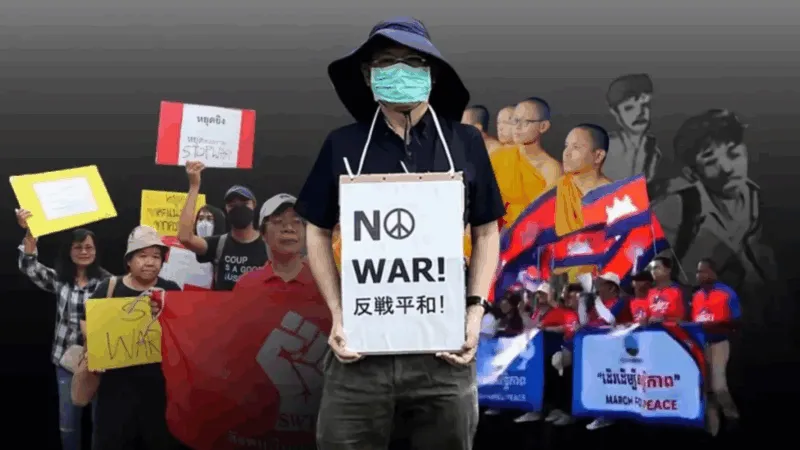
On December 13, the Socialist Worker group gathered in Bangkok demanding an immediate ceasefire and negotiations. Their message was direct: war benefits military establishments, not the families who've lived as neighbors across the border for generations. Human rights lawyer Anon Nampa posted on Facebook that he stood for peace, knowing it would anger some. Musicians and artists held events throughout Bangkok—performances and installations designed to remind people what they were actually fighting for.
The movement spread beyond the capital. In Chiang Mai, students and residents staged protests emphasizing shared cultural ties. In Khon Kaen and Phitsanulok, professors and activists held symbolic demonstrations. The message was consistent: Thais and Cambodians want good lives for their children, not conflict. Border communities, they argued, would suffer most from the nationalist rhetoric spreading on social media.
We're a new kind of news feed.
Regular news is designed to drain you. We're a non-profit built to restore you. Every story we publish is scored for impact, progress, and hope.
Start Your News DetoxA mirror movement across the border
Cambodia saw something similar. On December 18, over 30,000 people marched for peace in Phnom Penh, organized by the Union of Youth Federations of Cambodia. The crowd included monks, civil servants, community leaders, and people from across the country. A senior Cambodian monk had already called on Thai monks to appeal to their governments and militaries to uphold existing peace agreements.
In Siem Reap, over 50 artists from different provinces collaborated on a large mural as part of an Arts for Peace project.
What's striking here isn't that these movements are huge—they're significant but not revolutionary. What matters is that they exist at all. When governments and media amplify conflict, when online algorithms reward outrage, ordinary citizens choosing to organize for peace is a deliberate act. It's a choice to believe that shared history and shared humanity matter more than nationalist fervor.
These movements show something often missing from conflict coverage: the people in both countries who refuse to accept war as inevitable. They're not naive about the tensions or the real disputes that exist. They're simply insisting that those disputes don't require killing neighbors.