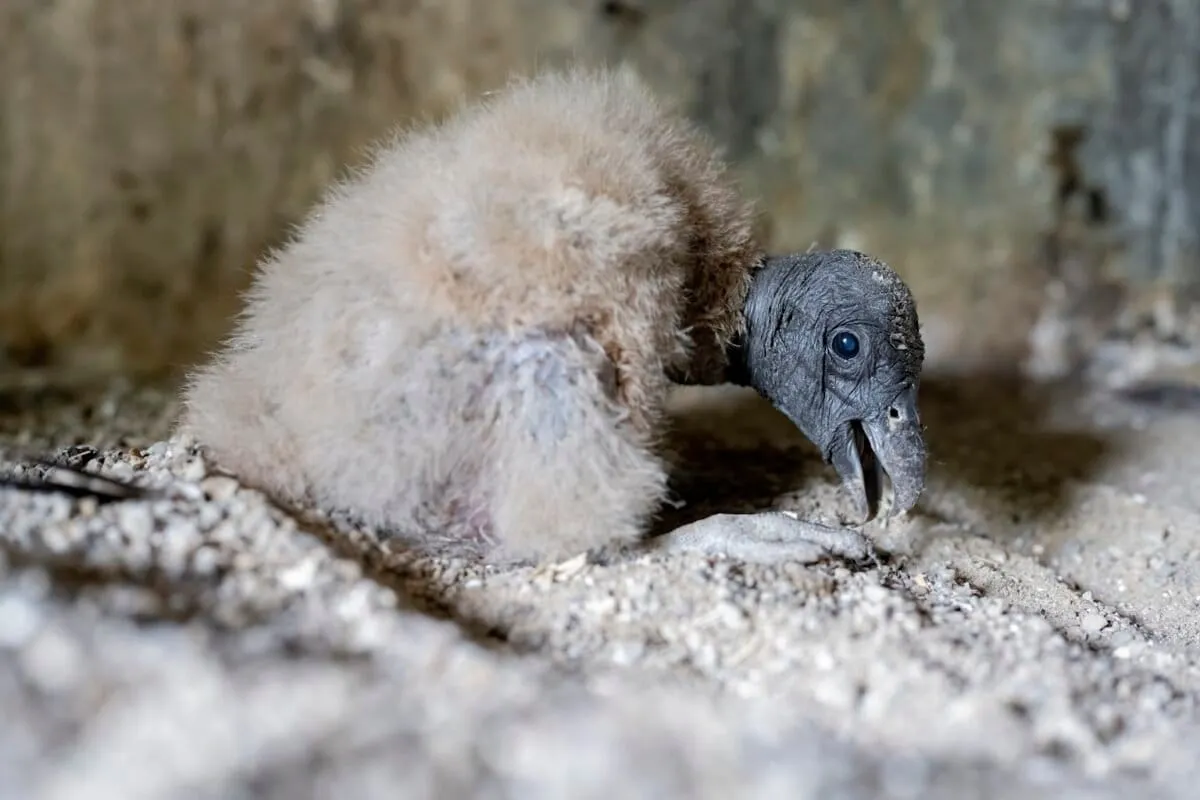
Three chicks named Rafiki, Wayra, and Ámbar have hatched at an artificial incubation program near Bogotá since July 2024. For a species down to fewer than 150 wild birds in Colombia and Ecuador, each hatch is a small victory against the clock.
The Andean condor—a massive vulture with a three-meter wingspan—is globally vulnerable, with roughly 6,700 mature individuals left across South America. But the picture in Colombia is dire. The species is critically endangered here, nearly extinct in Venezuela, and clinging to survival in a handful of high-altitude refuges. The Jaime Duque Park Foundation, a Colombian conservation nonprofit, has been working since 2015 to reverse this decline through captive breeding and careful incubation.
Why artificial incubation matters
Andean condors are slow breeders. In the wild, a pair raises just one chick every two to three years. First-time parents sometimes accidentally crack their eggs—a costly mistake for a species with so little reproductive capacity. The solution: remove the egg from the nest, place it in an incubator that mimics the warmth and safety of parental care, and let the birds lay again. This single intervention can double the number of eggs available for the program.
We're a new kind of news feed.
Regular news is designed to drain you. We're a non-profit built to restore you. Every story we publish is scored for impact, progress, and hope.
Start Your News Detox"They are the salvation of the species," Fernando Castro, the foundation's director of biodiversity, told Mongabay. It's not hyperbole. Rafiki and Wayra, the two older chicks, are scheduled for release this year near Cerrito, a high-altitude town in northeastern Colombia where nearly half of the country's wild condor population survives. Each bird released is one more chance for the species to anchor itself in Colombian mountains.
The condor's collapse is recent and human-made—habitat loss, lead ammunition in carrion, and poaching have all taken their toll. But so is the response. Breeding programs in Colombia, Ecuador, and across the Andes are gradually rebuilding populations that nearly vanished. The work is unglamorous: incubators, careful record-keeping, patient monitoring of birds in captivity and release sites. It doesn't make headlines. But it works.
With Ámbar still young and more eggs expected to hatch, the foundation is quietly building toward a future where these condors aren't just museum pieces or conservation statistics. They're back in the sky.