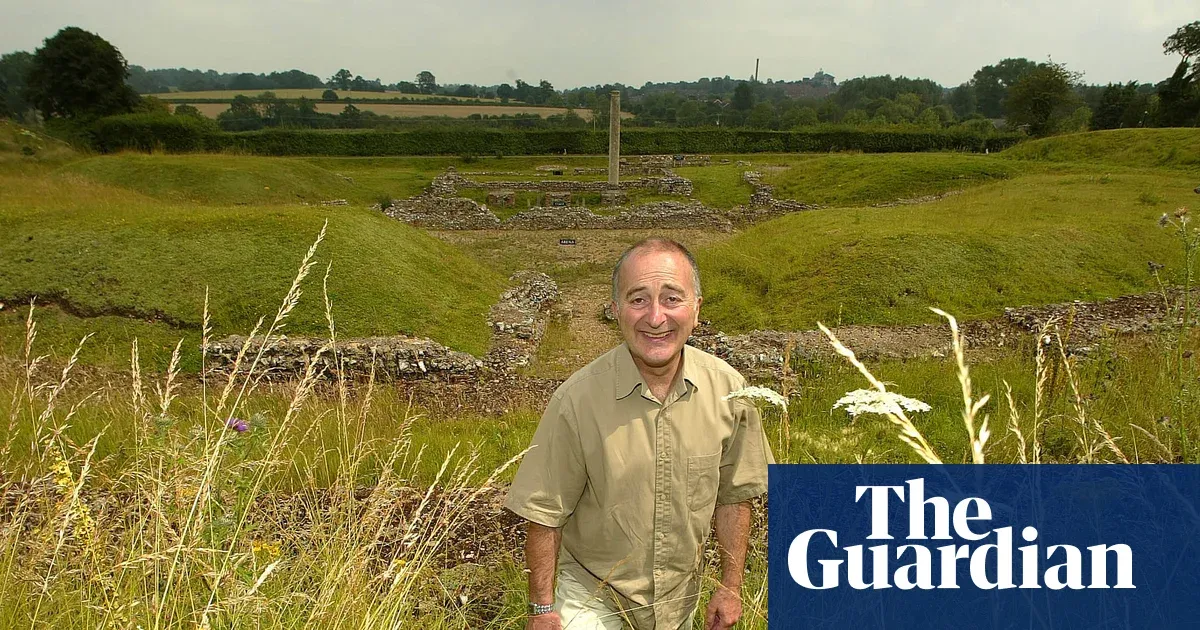
Thirty-two years ago, a handful of archaeologists gathered in a Somerset field to film something nobody thought would last: a low-budget TV show about digging. The first episode, in 1994, featured unruly hair, pub discussions, and a dot matrix printer. The most exciting find was a lump of iron slag. It became a phenomenon anyway.
Time Team ran for 20 years and over 200 episodes before falling ratings and a failed revamp ended it in 2013. But in 2021, something unexpected happened. Devoted fans asked the original team to come back. This time, they'd skip the broadcasters entirely and film for YouTube.
Four years later, Time Team has 350,000 YouTube subscribers. Individual videos regularly reach 2 million viewers. More importantly, 11,000 people pay monthly through Patreon to fund actual archaeological digs — not just the videos. Next summer, they're excavating the Ness of Brodgar in Orkney, a Neolithic world heritage site, for a full month. Under the old Channel 4 format, that wouldn't have been possible.
We're a new kind of news feed.
Regular news is designed to drain you. We're a non-profit built to restore you. Every story we publish is scored for impact, progress, and hope.
Start Your News DetoxWhy the Format Matters
Geophysicist John Gater, part of the original team, explains the difference. "The three-day format created tension," he says. "But it became more expensive, and Channel 4 struggled to justify funding the post-excavation work." With crowdfunding, supporters understand they're backing the archaeology itself, not just entertainment.
The flexibility cuts both ways. Senior producer Emily Boulting admits persuading careful archaeologists to use "acceptable hyperbole" for online audiences is tricky. But the viewers don't demand flashiness. One unexpectedly popular approach: a fixed camera showing uninterrupted trench footage. "People have loved the idea of sitting with moving wallpaper," Boulting says. "It's a bit like watching a test match."
Tony Robinson, the presenter, traces the show's staying power to something simpler. "Archaeology is like magic," he says. "This is the ground we walk on every day. Yet if you weave the right spell, you can go down into it and find something extraordinary from another time. What better thing to be reminded of than the fact that there are wonders underneath our feet."
Carenza Lewis, a professor now at the University of Lincoln, was part of that first 1994 dig. She left the show in 2005 without clear explanation, but never really left it — a decade later, Russian archaeologists at a Moscow conference recognized her name. She's back with the YouTube revival. Time Team's next chapter isn't about proving the show still works. It's about proving that when audiences care enough, the format bends to fit.