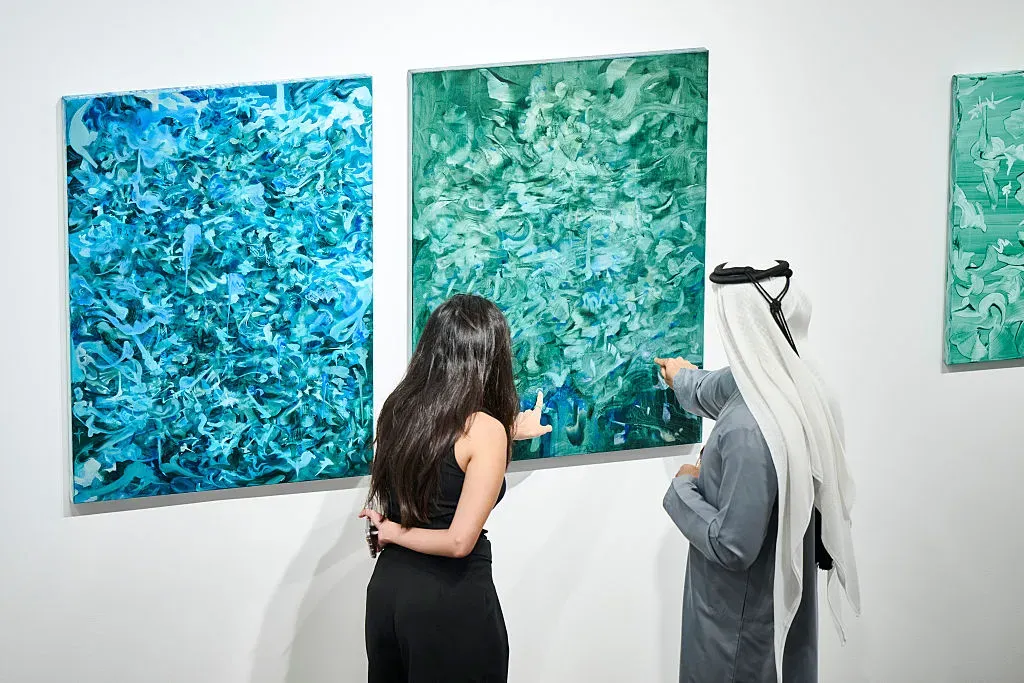
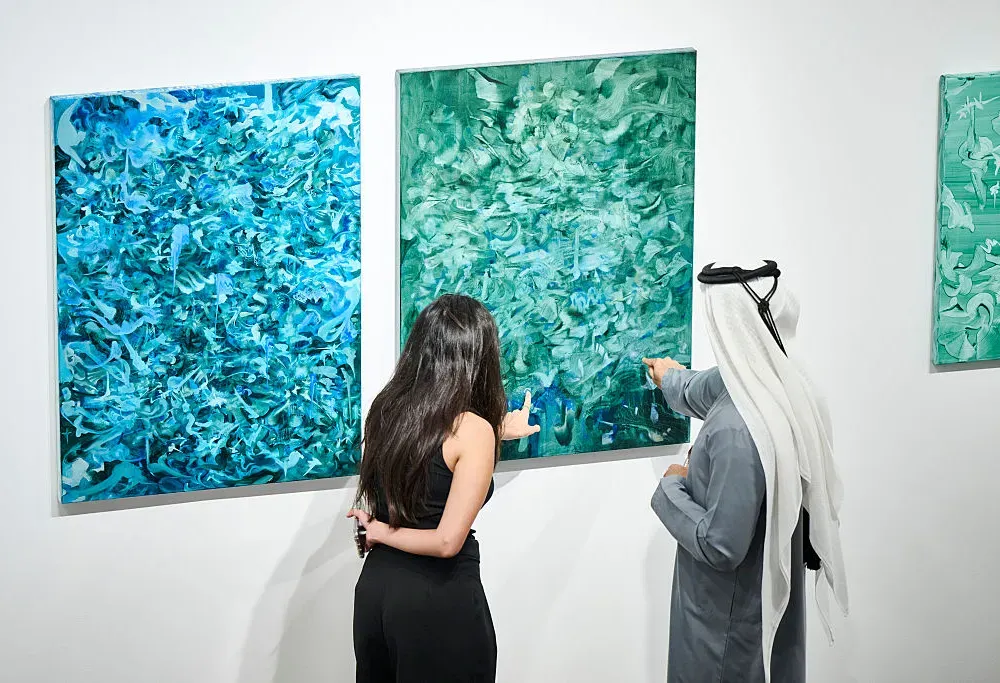
Art Dubai, the glitzy centerpiece of the Gulf's art scene, is pulling a rather intriguing pivot this year. Instead of its usual sprawling spectacle, the fair is launching a "special edition" from May 15–17 at Madinat Jumeirah. Think less global behemoth, more curated, intimate gathering. And for the VIPs, a sneak peek on May 14, because some things never change.
This leaner, meaner version will host around 75 presentations from galleries, institutions, and partners. It's a noticeable trim, especially considering the ongoing regional instability and the ever-escalating costs of, well, everything — including art fairs.
A Local Focus, A Global Eye Roll
The big shift? Art Dubai is doubling down on its roots. About 60% of participants are now from the Gulf and Southwest Asia, with international players taking a slight backseat. It's a strategic move that acknowledges the economic realities while still offering a platform for regional heavyweights like The Third Line, Lawrie Shabibi, and Carbon 12.
We're a new kind of news feed.
Regular news is designed to drain you. We're a non-profit built to restore you. Every story we publish is scored for impact, progress, and hope.
Start Your News DetoxBut don't worry, the international set isn't entirely banished. You'll still spot familiar names like Perrotin and Galleria Continua, just... fewer of them. The organizers are aiming for a "focused program" that still blends contemporary, modern, and digital art, alongside more institution-led collaborations and specially commissioned works. Because apparently that's where we are now: art fairs as curated experiences, not just glorified marketplaces.
Expect large-scale installations and new pieces from artists such as Khalid Al Banna and Hashel Al Lamki. Plus, partnerships with regional powerhouses like Alserkal Avenue and the Sharjah Art Foundation, which suggests a deeper integration into the local art ecosystem. It’s almost like they’re trying to build a community, not just sell paintings.
The Price of Art, The Art of Pricing
Perhaps the most eyebrow-raising change is the new economic model. Art Dubai is experimenting with a risk-sharing approach for booth costs. Translation: what a gallery pays will now depend on how much art they actually sell. This is a rare, almost unheard-of, move in the art fair world, and it speaks volumes about the pressure on traditional models. It’s like a gallery version of a commission-only sales job, which is both innovative and a little bit terrifying for the fair organizers.
This shift moves Art Dubai away from being a pure global connector and firmly plants it as a regional champion. While past editions tried to bridge East and West, this one seems content to build strength from within. Which, if you think about it, is both impressive and slightly terrifying.
This could be a sneak peek into the future of art fairs: smaller, more regional, and with a stronger emphasis on institutional support. Because when the collectors are hesitant and the costs keep climbing, sometimes you just have to get creative. And maybe, just maybe, make the galleries pay you only if they make money. Bold move, Art Dubai. Let's see if it pays off.