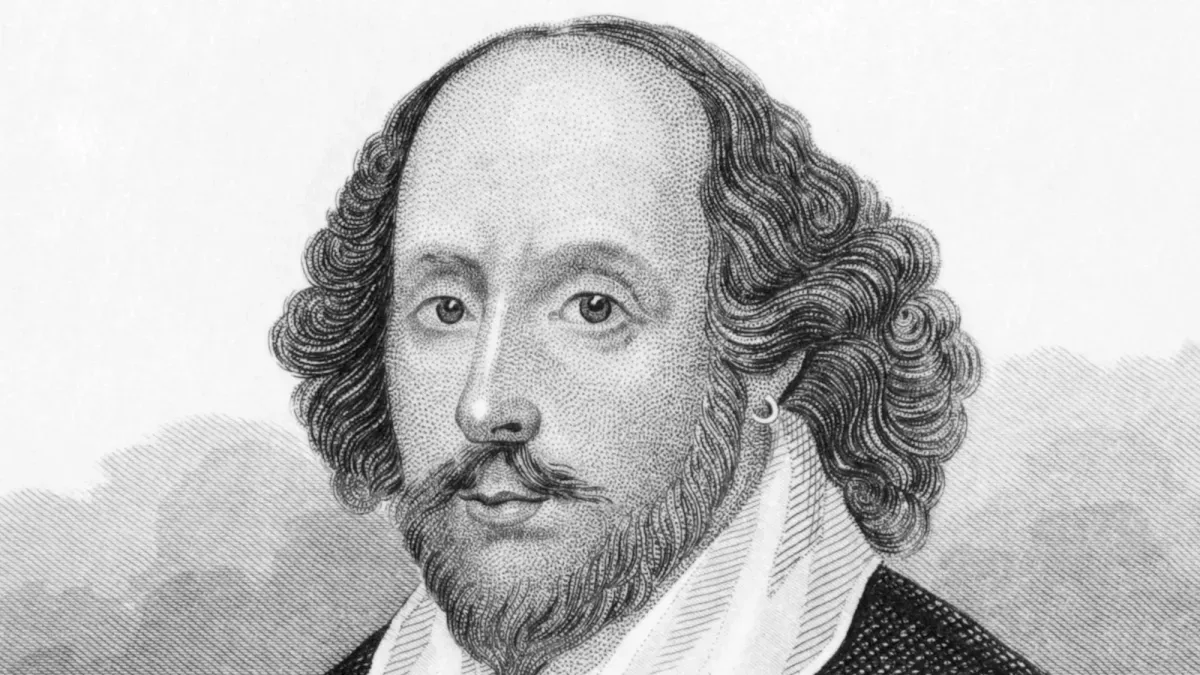
For centuries, literary scholars have been playing a real-life game of historical hide-and-seek, trying to pinpoint the exact London address of William Shakespeare. You know, the guy who wrote a few plays. While everyone knew he owned a property in Blackfriars, the precise location of his city digs remained stubbornly, dramatically, lost.
Turns out, it just needed the right detective. And a floorplan.
The Great London Real Estate Mystery
Shakespeare, a man who clearly understood the value of a diversified real estate portfolio, had several homes. Most notably, his grand estate in Stratford-upon-Avon, where he spent his later years. But in 1613, he snagged a place in London's Blackfriars Gatehouse. A plaque has long marked the general vicinity, a polite nod to the fact that the Bard was around here somewhere.
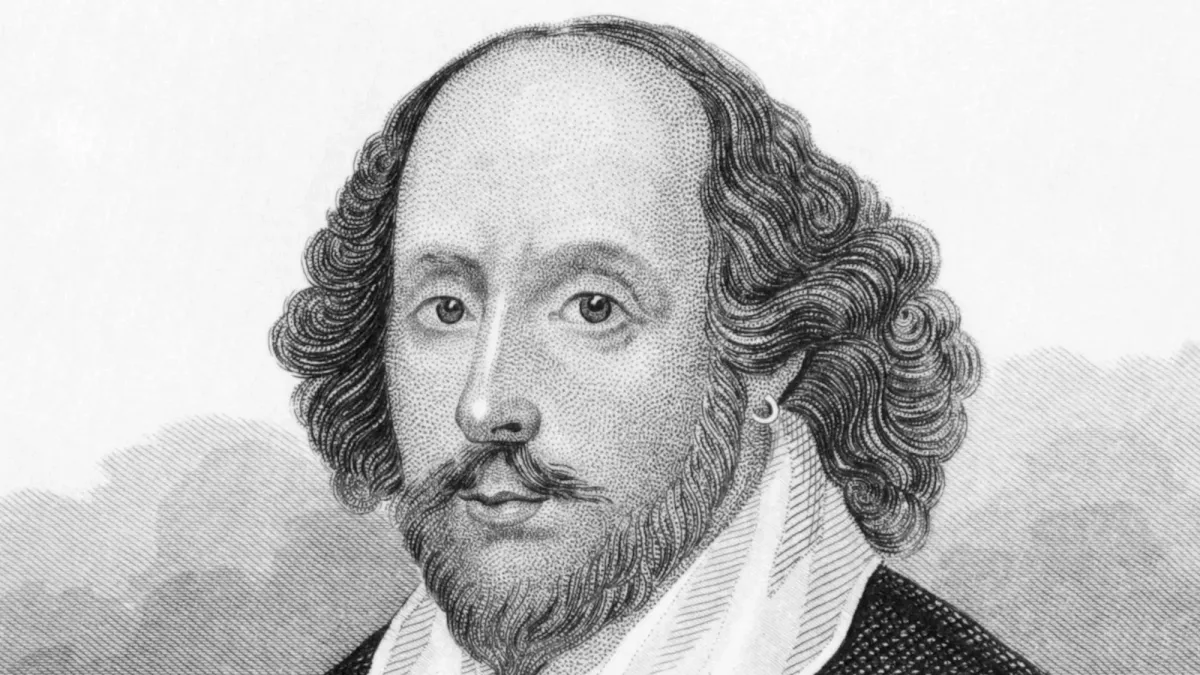
But then came 1665, when his granddaughter sold the place. A year later, the Great Fire of London decided to redecorate, taking out roughly 15% of the city's homes, including Shakespeare's. The exact spot vanished into history, leaving scholars to squint at old maps for 360 years.
We're a new kind of news feed.
Regular news is designed to drain you. We're a non-profit built to restore you. Every story we publish is scored for impact, progress, and hope.
Start Your News DetoxEnter Lucy Munro, a Shakespeare expert at King's College London. While knee-deep in research, she stumbled upon three new documents. Among them? A floorplan of Shakespeare's Blackfriars house. Her reaction? "Couldn't believe it," she reported, which is probably the academic equivalent of shouting from the rooftops.
This isn't just some vague sketch. The floorplan, found in the London Archives, is part of a 1668 drawing of the Blackfriars area — a mere two years after the fire. It shows a property 45 feet wide from east to west, and a respectable 13 to 15 feet deep. Big enough, historians believe, to have been split into two separate homes. Because even Shakespeare understood the side hustle.

This suggests the Bard might have used it as more than just an investment property. Given its proximity to the Blackfriars Theatre, where he worked, it's highly likely he crashed there during his London visits, like when he co-wrote Two Noble Kinsmen in 1613 or popped down in November 1614.
In the centuries since, the site has housed a printing company, an architecture firm, and, rather fittingly, the National Book Association. A nice full-circle moment for a property that once belonged to the original literary rockstar. Now, if only we could find his London Uber receipts.