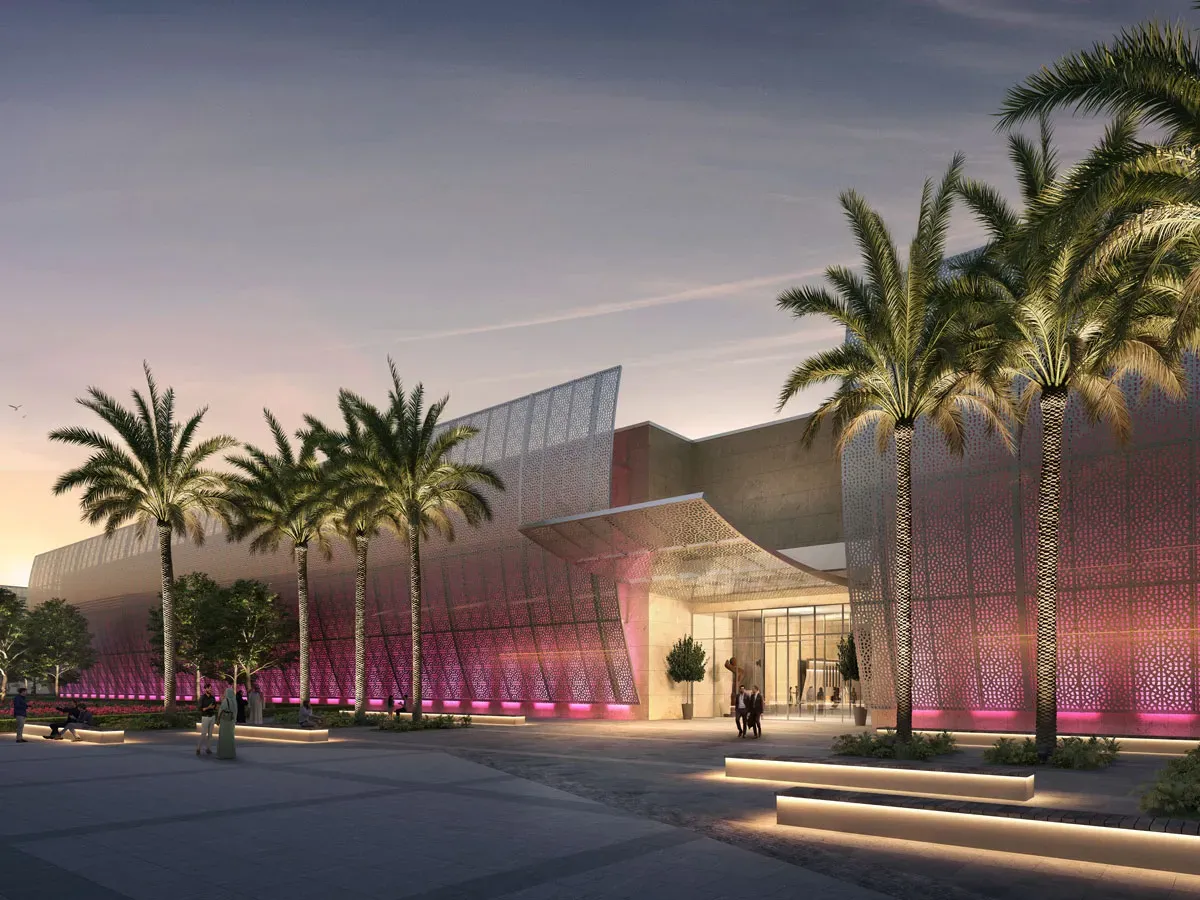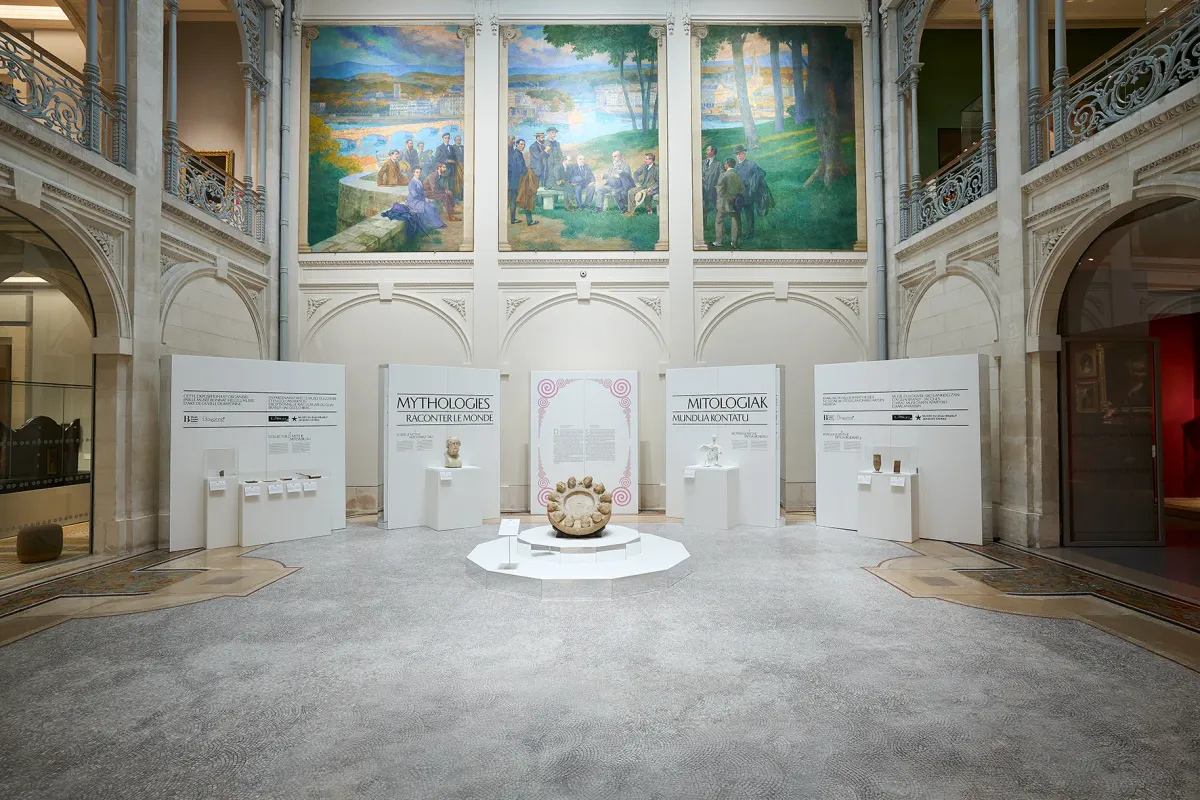
After 14 years in the renovation equivalent of a witness protection program, a museum in France's Basque Country — affectionately dubbed the "Little Louvre" — has finally flung its doors open. The Musée Bonnat-Helleu in Bayonne, founded way back in 1891, now boasts double the exhibition space for its 7,000 artworks. And it's not just the walls that got a refresh.
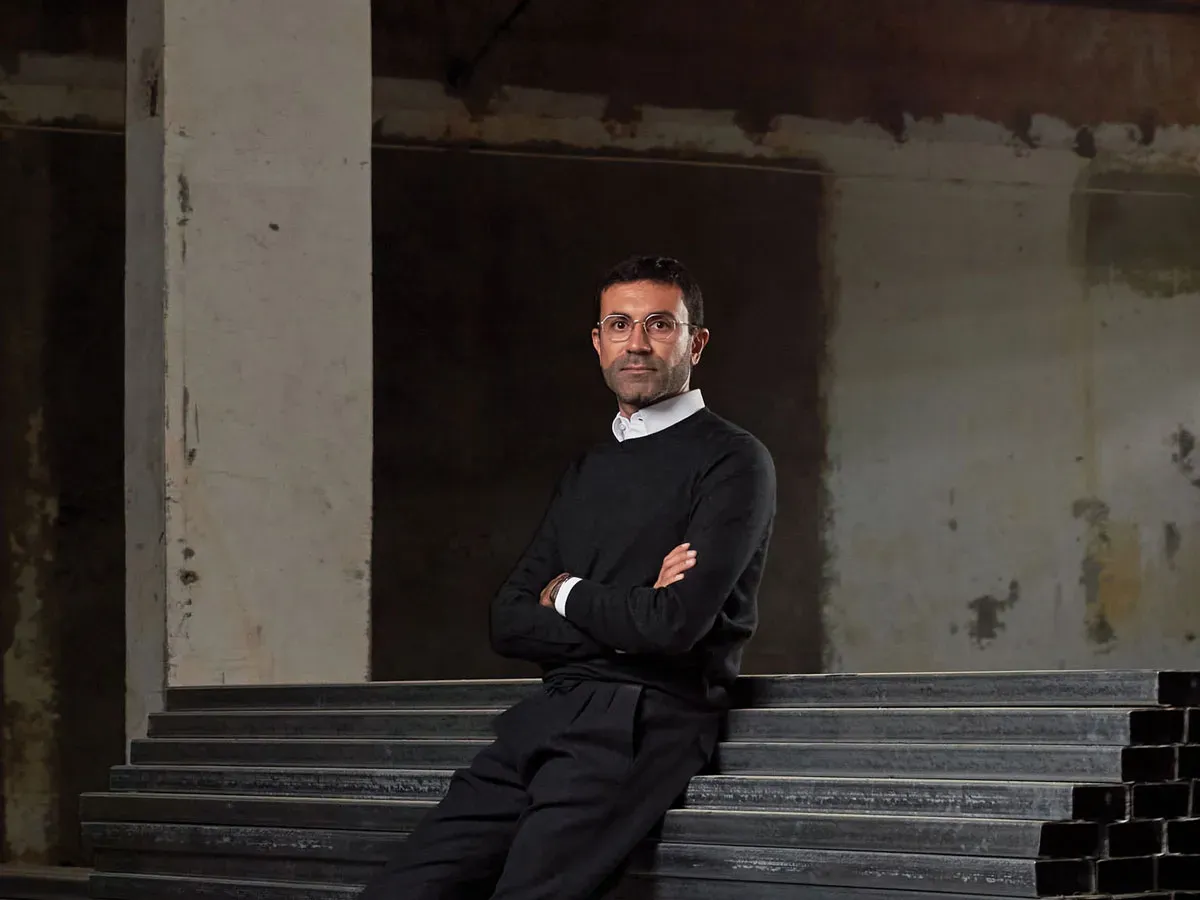
Last fall, 33-year-old Barthélémy Etchegoyen Glama, a local himself, stepped in as the new director. And he's got some thoughts on what a museum should be.
Myths, Masks, and Manifestos
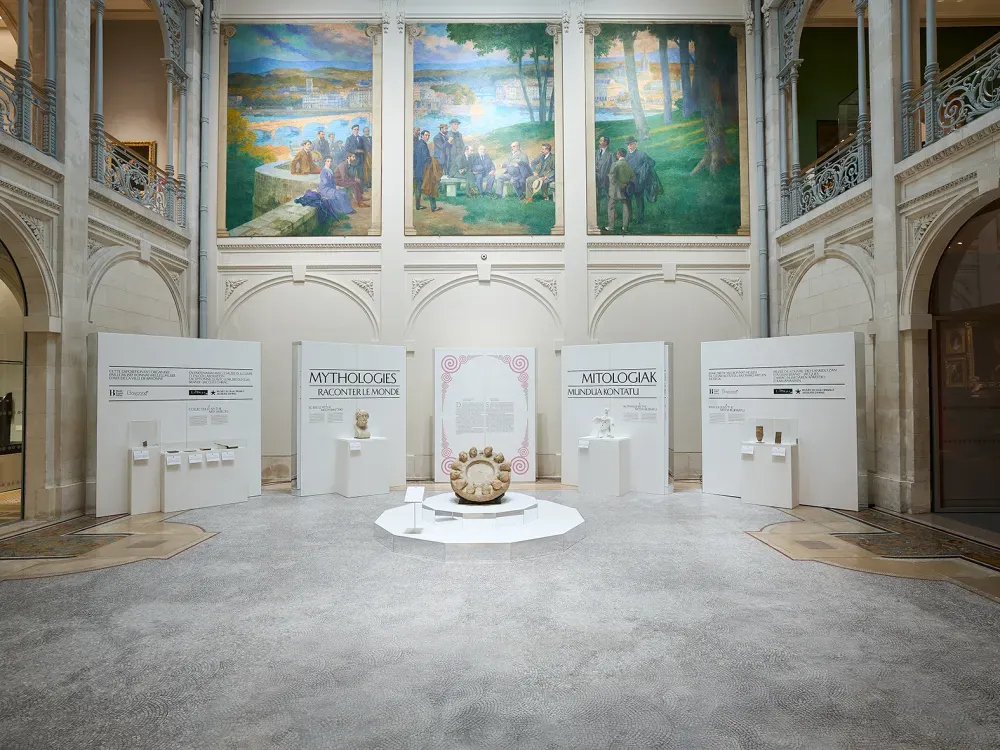
The museum's inaugural temporary exhibition, "Mythologies: To Tell the Story of the World," is running until November 9th. It's a real grab-bag of treasures, including some rare loans from the actual Louvre and Paris's Quai Branly museum. Etchegoyen Glama calls it nothing less than "a manifesto for the museum we want."
We're a new kind of news feed.
Regular news is designed to drain you. We're a non-profit built to restore you. Every story we publish is scored for impact, progress, and hope.
Start Your News DetoxWhy mythology? Because it's universal. The exhibit cleverly shows how societies across time and space, from ancient Greece to modern-day Basque Country, all cooked up similar stories. Ancient artifacts cozy up to contemporary pieces, famous works rub shoulders with the lesser-known, and local designers get a seat at the table. It's all about finding those "recurring themes and figures that speak to our shared humanity."
Right at the entrance, a Basque mask from Owantshoozi studio stares down a famous bust of Homer from the Louvre. Raphael's Saint George and the Dragon (1503–05) hangs beside Syrian icon paintings of the same subject from 1666. There's even a "man-bear" called the "Hartza," made in 2025 by Thomas Loyatho, that's still used in local carnivals. So much for dusty old relics.
The Great Museum Divide
This kind of cross-cultural, time-bending curation isn't exactly groundbreaking in the art world today. But Etchegoyen Glama notes it's hitting some serious conservative pushback in Western countries. Think: criticism of inclusive, decolonial exhibition methods that, heaven forbid, raise social and political questions.
Globally, the Trump administration's attacks on the Smithsonian were a taste of the extreme. In Europe, similar trends are bubbling up. Italy's right-wing government has been playing musical chairs with cultural leadership. And then there was the rather convenient "financial issues" that led to the cancellation of an exhibition on French Caribbean artists at the Centre Pompidou-Metz. Because apparently, budgets only shrink when certain topics come up.
Even the mighty Louvre isn't immune. Its former president, Laurence des Cars, who was all about social issues through art, resigned. Her replacement is seen as a "safer" choice, possibly shifting the museum towards a more French and Western-centric vision, with plans to dial back contemporary art. Because nothing says "progress" like a good old-fashioned retreat.
Etchegoyen Glama, who used to advise Des Cars, believes his museum's vision — where "the public is at the center" — is "worth fighting for." He sees a growing chasm in the museum world, mirroring broader societal trends. A decade ago, French institutions were embracing the idea of museums as "social places open to a plurality of voices." Now? Some are "going back to a previous period." Because who needs a plurality of voices when you can have a singular, slightly dusty one?
Art historian Anne Lafont agrees there's "a form of regression." While women artists will likely keep getting their due, questions about colonialism, imperialism, and racial history in art? Those might be harder to keep on the agenda. Lafont recalls the "Modèle Noir" exhibition in 2019, which explored French imperialism, slavery, and race. "We had the feeling that a window was opening in France," she said. "Perhaps it will be difficult to open it wider, or even to leave it open at all."
In June, the International Council of Museums (ICOM) adopted a new code of ethics, stating museums should "serve society" by "embracing different perspectives on heritage" and acting "as spaces for open dialogue, upholding human rights, practicing social justice and promoting peace." The French art press, of course, criticized this as "politicizing professional regulations." Because apparently, human rights and social justice are just too controversial for art.
Despite the headwinds, some curators are still pushing forward. Anne Dressen, from the Musée d’Art Moderne de Paris, notes institutions are trying innovative practices, like mentioning dubious provenance on wall labels. "If you just look back 10 to 15 years, there’s just no comparison," she said. Though, she adds, museum workers are under pressure to avoid controversy, with a 2024 report finding European museums face political influence over budgets, leading to self-censorship. Because nothing stifles creativity like the fear of losing your funding.
Back in Bayonne, the Musée Bonnat-Helleu's new permanent collection mirrors the "Mythologies" exhibit's approach, connecting diverse national schools through broad themes. Etchegoyen Glama believes this helps reach a "less exclusive" public. The "Gallery of the Bodies," for instance, displays artistic representations from ancient Egypt, Greco-Roman antiquity, 17th-century Italy, and 19th-century France. It shows that art history, much like life, is all about connection through time and space. And if that's not a vision worth fighting for, what is?