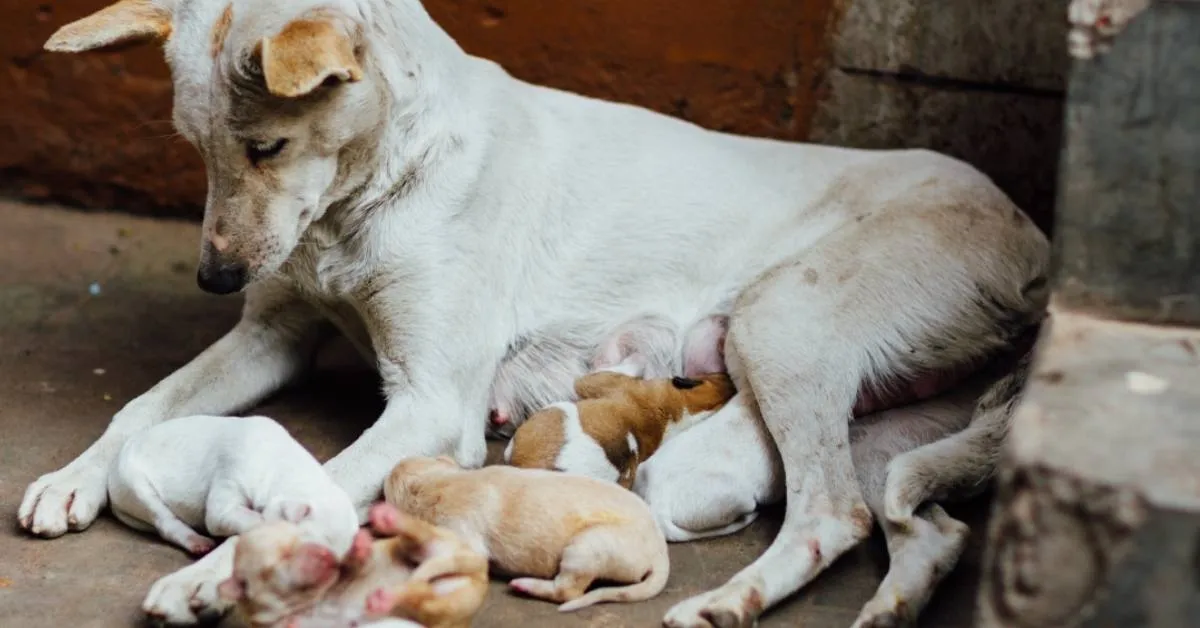
When 6.8 million Ukrainians fled the 2022 Russian invasion, over a million pets were left behind. The stray population exploded. By 2024, shelters were drowning in animals, and Europe faced a potential rabies crisis.
That's when veterinarian Colleen Lambo arrived.
She didn't come with fanfare or a predetermined plan. She came because she'd heard about people like Oleg and Oksana, a couple in the city of Brody who were running an animal shelter from their home while their country was at war. They were still showing up. Still helping. Still feeding visiting vets "endless pots of borscht and bread" while they worked.
Lambo and her team sterilized over 600 stray animals in Brody alone, treating sick pets and preventing the spread of disease in a country where veterinary care had become a luxury. By her estimate, she's helped over 1,000 animals across Ukraine — not through a massive organization or unlimited funding, but through the kind of unglamorous, persistent work that happens in shelters and clinics while the world watches the headlines.
We're a new kind of news feed.
Regular news is designed to drain you. We're a non-profit built to restore you. Every story we publish is scored for impact, progress, and hope.
Start Your News DetoxThe weight of small work
Lambo told Nice News something that probably matters more than the numbers: "It feels like we've accomplished so little ... but every person we've met has been so kind and so generous. Our work is a drop in a bucket, but no one has treated it as such."
That's the real story. Not the thousand animals saved — though that's real and it matters. The story is that in a country where people were losing homes, losing loved ones, losing certainty, there were still people who made room for strays. Who welcomed strangers to help. Who treated a drop in the bucket like it was everything.
Ukraine's stray animal problem didn't start with the war — the country struggled with overpopulation before 2022. But the invasion accelerated it catastrophically. Shelters couldn't keep up. Disease spread. The scale felt impossible.
It still is impossible, in a way. One veterinarian can't fix it. But one veterinarian, working alongside local advocates who refused to stop caring, can prevent a rabies epidemic. Can sterilize 600 animals. Can show up and do the work that keeps a community — human and animal — from breaking completely.
Lambo's trip was funded by Roo, a veterinary relief organization that recognizes this kind of work as essential infrastructure in crisis zones. It's not glamorous. It won't make headlines on its own. But in Brody, in 2024, it meant the difference between a manageable problem and a catastrophe.
The war continues. The shelters are still full. But there are now 1,000 fewer animals at immediate risk of disease, starvation, or suffering. And there's a precedent: when the need is clear, people will show up.