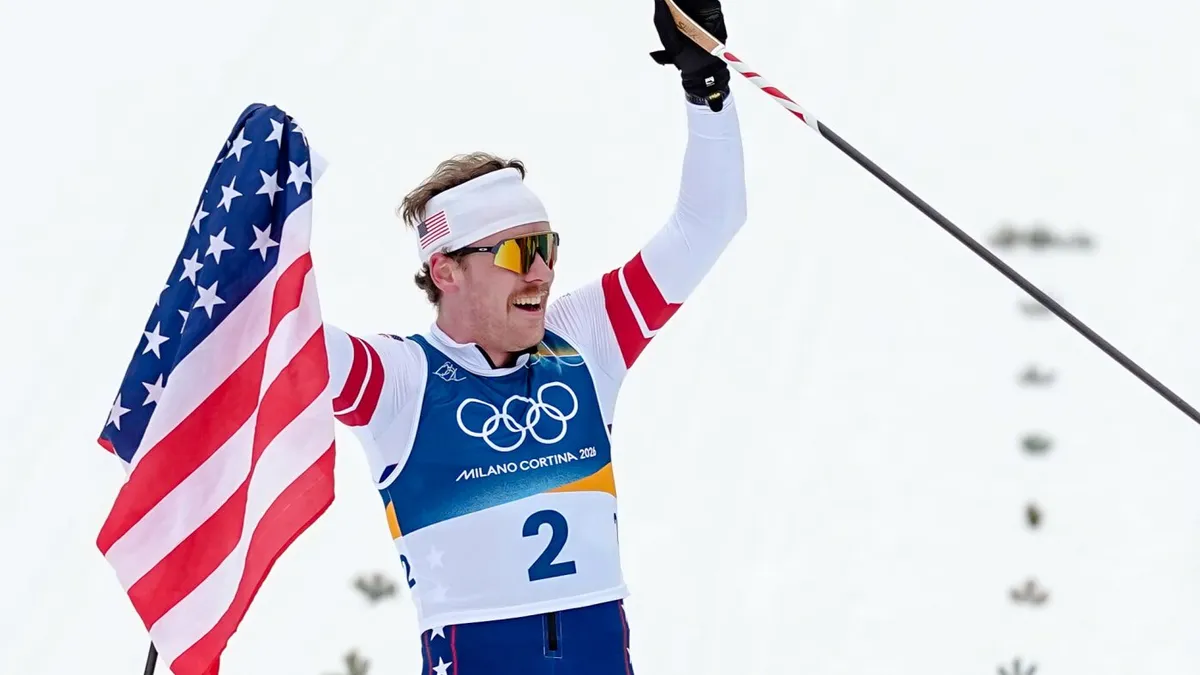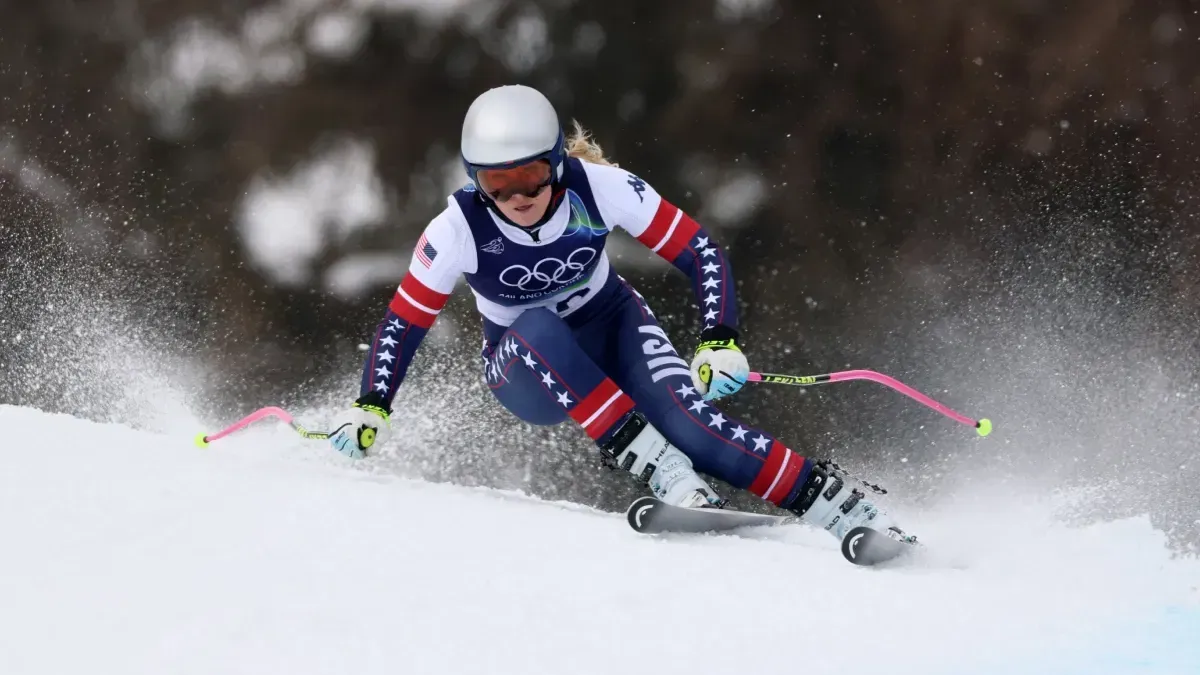
At the 2026 Milan Cortina Winter Olympics, U.S. athletes stepped into a conversation most sports figures avoid: what it means to represent their country right now.
When skiers took the stage for a press conference, the message was direct. Alex Ferreira, 31, called for "domestic peace," framing the Olympics as a moment of shared humanity. Svea Irving, 23, spoke about representing "compassion and love and respect for others." These weren't radical statements—they were appeals for unity.
But Hunter Hess's comment struck a nerve. The 27-year-old skier said representing the U.S. brought "mixed emotions" and that "there's obviously a lot going on that I'm not the biggest fan of." The comment went viral, and within days, he faced direct attacks from high-profile figures, including criticism on social media calling him a "real Loser" and telling him to "go home" if he couldn't represent the country unequivocally.
We're a new kind of news feed.
Regular news is designed to drain you. We're a non-profit built to restore you. Every story we publish is scored for impact, progress, and hope.
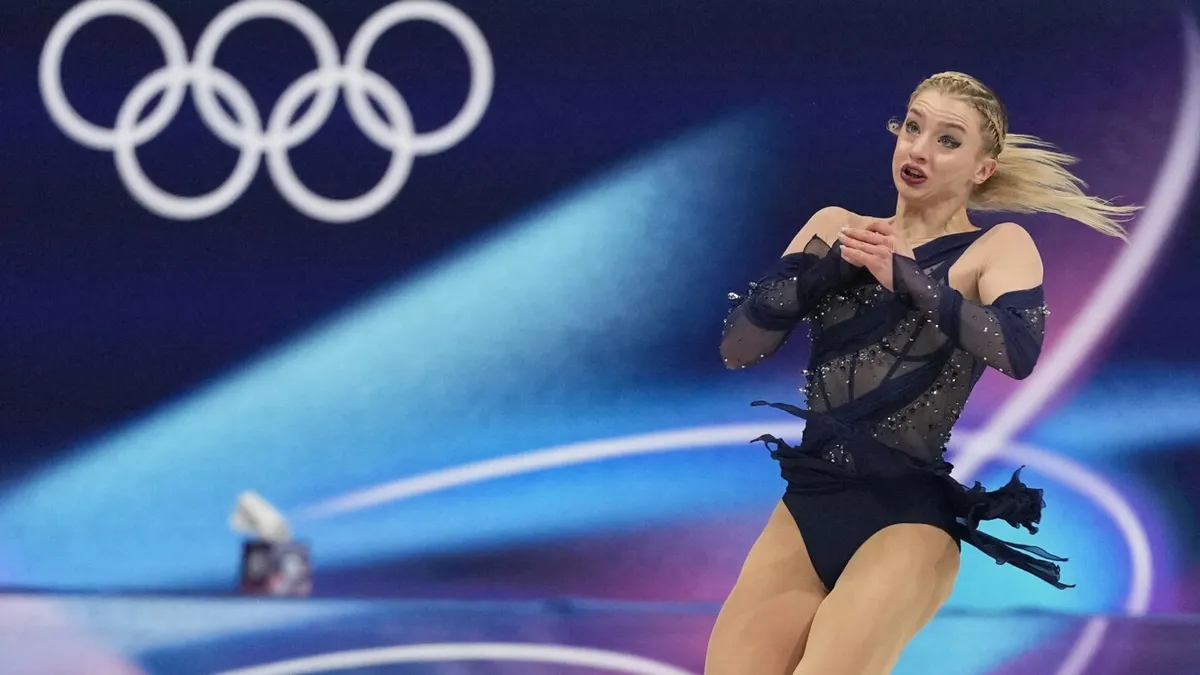
Start Your News DetoxHess wasn't alone in facing backlash. Figure skater Amber Glenn, who has spoken publicly in support of LGBTQ rights, reported receiving what she described as "a scary amount of hate/threats" across social media platforms. The U.S. Olympic and Paralympic Committee condemned the threats against her.
The tension reflects a broader moment in American public life. Anti-Trump and anti-ICE protests occurred in Italian cities during the Games, with some demonstrators arrested. Vice President Vance was booed during the opening ceremony—a rare moment of visible dissent at an Olympic event.
Not every U.S. athlete voiced the same perspective. Skier Nick Goepper stated he was there to "uphold classic American values," representing a different vision of what that representation looks like. The International Olympic Committee expressed enthusiasm for Vance's presence, highlighting the complexity of whose voices get amplified in these spaces.
What emerges is a picture of athletes navigating an impossible middle ground: the Olympics traditionally celebrate unity and shared values, yet the athletes themselves hold genuinely different views about what their country stands for right now. Some chose to speak. Others chose silence. And some chose to speak differently. All faced consequences—whether applause, criticism, or threats—for their choices.
The question lingers as the Games continue: can athletes represent their country while also representing their conscience, or are those two things being forced into opposition.