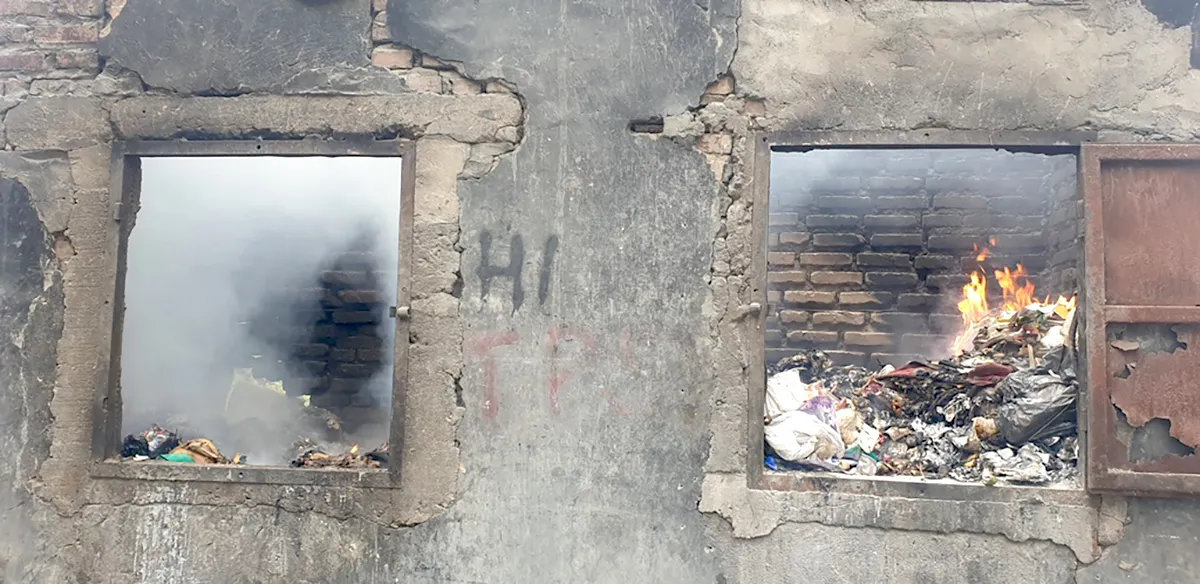
For five days this winter, Uttarakhand burned. Not in summer heat, but when the mountains should have been cooling into stillness, settling under snow. Instead, 1,600 forest fires swept through forests where ice should have rested.
Snowfall barely came. Rain stayed away. The forests, starved of moisture, turned brittle and ready to ignite. Elsewhere, life continued as usual. Few noticed that an entire season in the Himalayas had slipped out of balance.
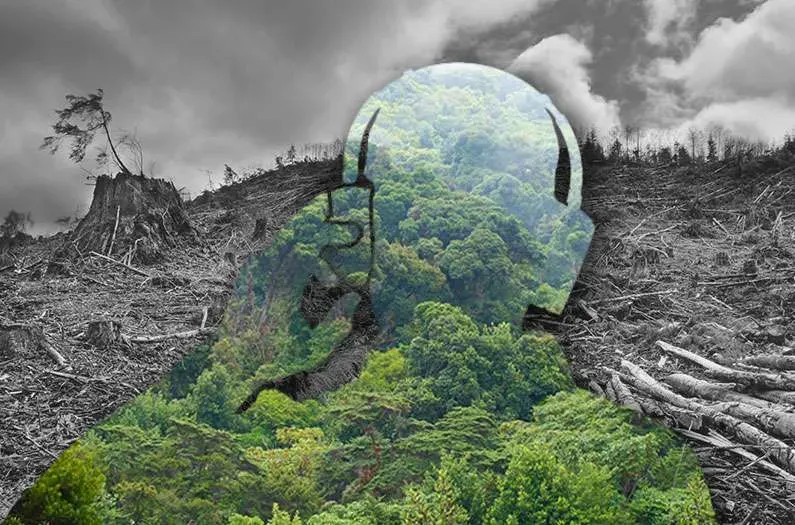
The pattern is becoming clearer each year. Trees were cleared faster than they could regrow. Hills were opened for roads and buildings. Forest cover thinned. Fewer trees meant carbon stayed trapped in the air, heat built up, and snow arrived later, lighter, then not at all. The Himalayas are responding exactly as ecosystems do when pushed beyond their limits.
We're a new kind of news feed.
Regular news is designed to drain you. We're a non-profit built to restore you. Every story we publish is scored for impact, progress, and hope.
Start Your News DetoxA 35-year commitment
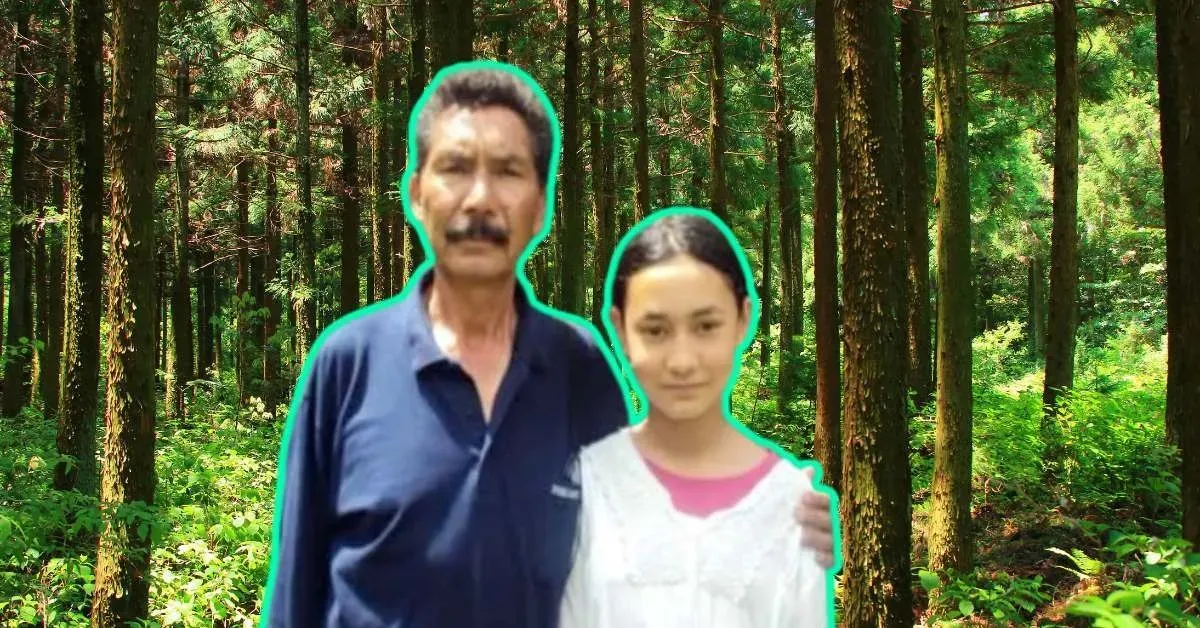
In Manali, Kishan Lal made a different choice decades ago. He decided to protect forests without waiting for permission or policy. For 35 years, he planted trees steadily, investing nearly one-fourth of his income each year to buy saplings. His daughter, Kalpana, grew up among those saplings, learning forest stewardship not from textbooks but from soil and roots.
Together, they planted 70,000 trees in Himachal Pradesh's Batahar forest. The forest returned leaf by leaf, root by root. A degraded landscape became a living ecosystem again.
Meanwhile, the snow drought deepened across the region. Kashmir recorded 40% less snowfall this winter. Ladakh saw a drop near 70%. In Himachal Pradesh, farmers were forced to transport snow by truck to apple orchards, preserving crops that depend on winter cold to survive.
Snow is not decoration. It is storage that feeds glaciers, regulates rivers, and ensures water flows steadily long after winter passes. Without it, glaciers melt faster and rivers swell too early, then dry up before summer ends. This affects not only the mountains but every community downstream that depends on that water.
Kishan Lal and Kalpana's forest stands as proof that regeneration is possible when care is consistent and long-term. Their story also reveals what cannot be solved by individuals alone. Forests need protection at scale. Construction needs restraint. Development must account for the land it reshapes. The Himalayas are trying to tell us something through their winter fires and missing snow. The question is whether we listen before the silence settles in for good.