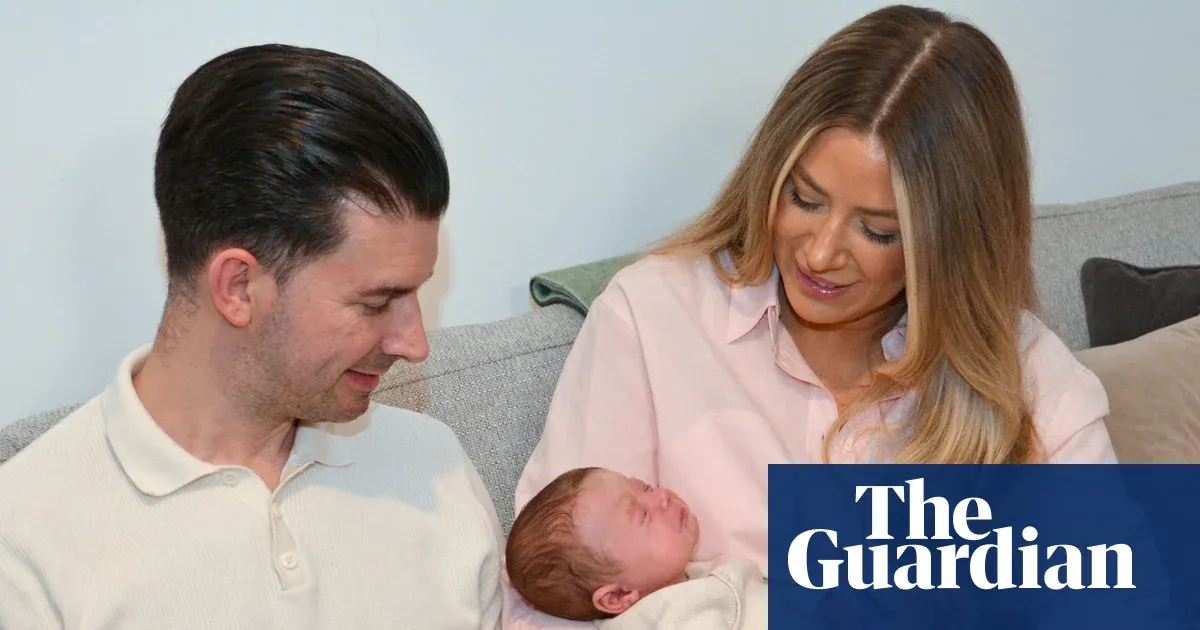
Grace Bell held her newborn son Hugo in December and became the first woman in the UK to carry a pregnancy using a transplanted womb from someone who had died. The 6lb 13oz boy arrived at Queen Charlotte's and Chelsea hospital in London, a milestone that took years of surgical innovation and the generosity of a family in grief.
Bell was born with Mayer-Rokitansky-Küster-Hauser syndrome, a rare condition that left her without a functional womb. As a teenager, she was told pregnancy would be impossible. "I never, ever thought that this would be possible," she said after Hugo's birth. "I'm the happiest I've ever been in my life."
The womb came from a deceased donor whose family made an extraordinary decision while grieving. Five organs from the same donor were transplanted into four people, saving their lives. In a statement, the donor's parents described the weight of their loss alongside the meaning they found in it: "Losing our daughter has shattered our world in ways we can barely put into words. But through organ donation, she has given other families the precious gift of time, hope, healing and now life."
We're a new kind of news feed.
Regular news is designed to drain you. We're a non-profit built to restore you. Every story we publish is scored for impact, progress, and hope.
Start Your News DetoxBell thinks of her donor every day. "There are no words to say thank you enough to my donor and her family," she said. "Their kindness and selflessness to a complete stranger is the reason I have been able to fulfil my lifelong dream of being a mum."
What This Moment Represents
Hugo is only the third baby born globally from a deceased womb donor, and the first in the UK. The surgery itself is relatively new—the UK's first womb transplant happened just two years earlier, when Grace Davidson received a womb from her sister Amy in 2023. That case proved the concept could work in the UK system. Hugo's birth proves it can work with a deceased donor, opening a different pathway for women who don't have a living donor available.
The medical team, led by Prof Richard Smith at Imperial College healthcare NHS trust, has been working toward this moment for years. Smith was present at Hugo's birth. "It's been an unbelievable journey," he reflected. "Our whole team has been hanging together now for years and years to make this happen."
Bell and her partner Steve gave Hugo the middle name Richard, honoring Smith's role in making his existence possible.
The transplanted womb will be removed once Bell and her partner have finished having children, sparing her from taking immunosuppressant drugs for the rest of her life. Globally, about 25 to 30 babies have now been born from deceased womb donation, with the field expanding faster than many expected. The UK's success here suggests more families in similar situations may soon have options they didn't have before.