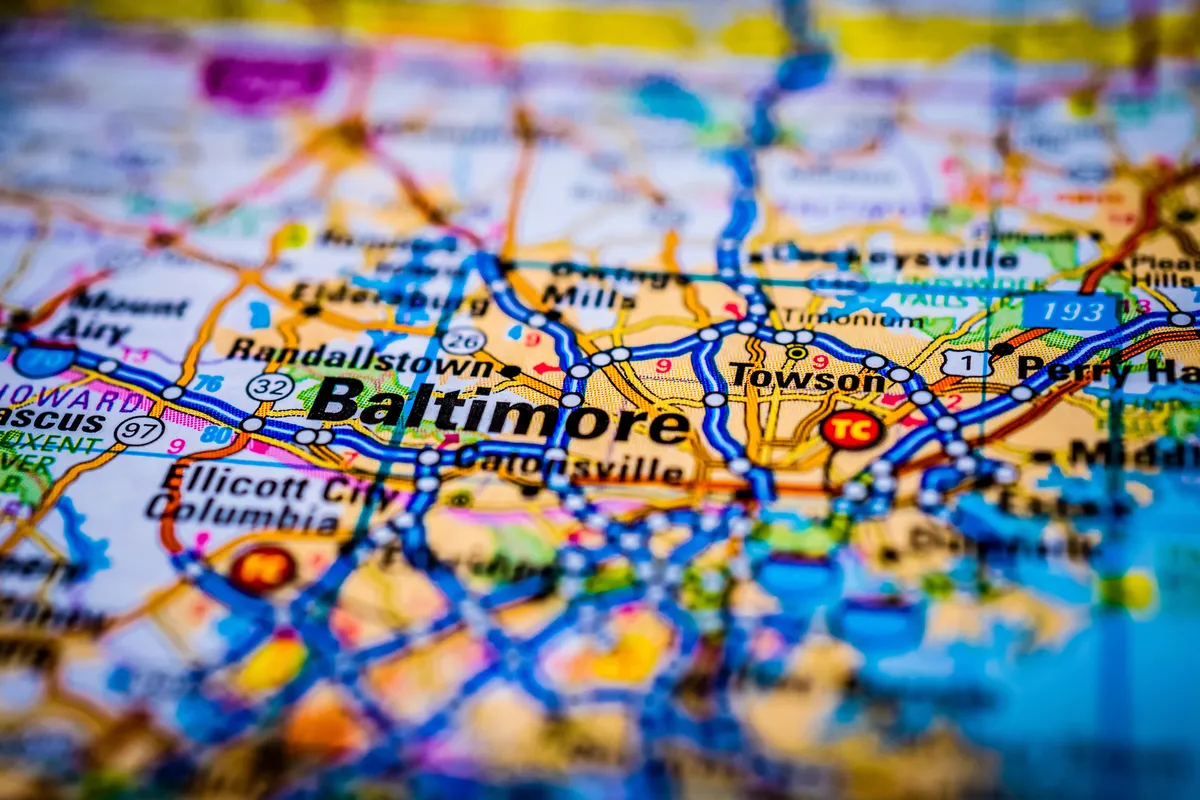
Imagine calling 911, desperately needing help, and instead of a flashing blue light, a mental health clinician shows up. That's the new reality taking shape in Baltimore, backed by a cool $400 million in opioid settlement cash. Because apparently, not every crisis requires handcuffs.
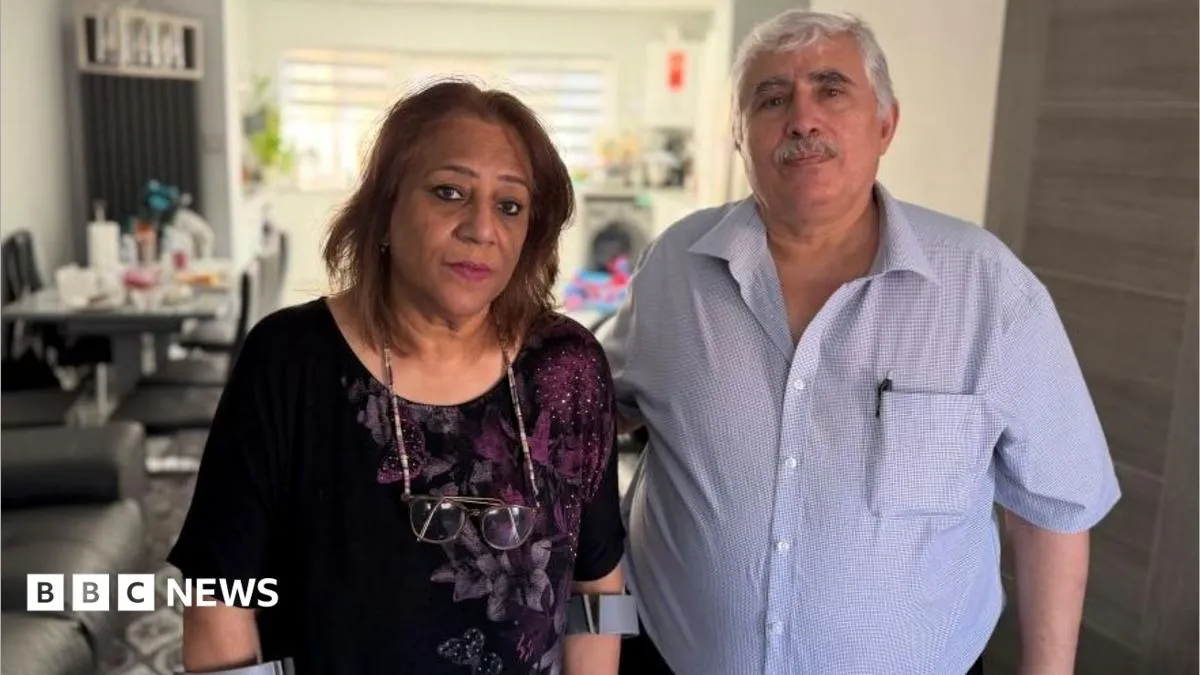
Take Michala Williams, a mental health clinician who recently met a woman sobbing in a McDonald's parking lot. The woman had called 911, overwhelmed by a jailed fiancé, health issues, and young kids. She'd already bounced through the emergency system twice without relief. Williams spent an hour with her, connecting her to a psychiatrist, therapist, legal aid, and a case manager. Not a siren in sight.
Rethinking What 911 Actually Does
Baltimore fielded a staggering 1.68 million 911 calls last year. Tens of thousands of those didn't need police, fire, or EMTs. We're talking about someone sleeping in a store, someone looking confused in a park, or just a person yelling on the street. As Georgetown Law expert Tahir Duckett puts it, these situations rarely require a badge and a gun. Too often, they just funnel people into the criminal justice system instead of getting them the housing, mental health care, or addiction treatment they actually need.
We're a new kind of news feed.
Regular news is designed to drain you. We're a non-profit built to restore you. Every story we publish is scored for impact, progress, and hope.
Start Your News DetoxThe city already has mobile crisis teams through Behavioral Health System Baltimore, sending clinicians and peer counselors instead of cops for mental health calls. Now, they're expanding that model to handle a much wider range of non-emergency situations, around the clock.
Where's all this money coming from? Baltimore wisely chose to sue opioid makers and distributors independently back in 2018, rather than joining a global settlement. That decision is now paying off to the tune of $400 million, earmarked for addressing drug-related harms and prevention — housing, healthcare, education, you name it.

It's a smart move in a city that saw its homicide rate drop by 60% between 2021 and 2025, but still lost around 1,000 people to overdoses each year during that same period. The program acknowledges that violence and addiction are often two sides of the same coin, hitting the same communities.
Lessons from Durham's HEART
Baltimore isn't just winging it. They're looking to places like Durham, North Carolina, which launched its Holistic Empathetic Assistance Response Team (HEART) in 2021. Over four years, HEART handled more than 12,000 diverted calls. Police backup was needed a grand total of 0.02% of the time. Let that satisfyingly low number sink in.
Durham's call logs show just how vital this kind of program is. HEART responders helped a blind hotel guest get an accessible room and transportation to housing. They assisted a domestic violence survivor. They even helped a homeless veteran get a doctor's appointment. These are not jobs for a police officer.
A study found that these non-law enforcement responses led to significantly fewer arrests, especially for Black callers, men, and people aged 25 to 39. Rebecca Neusteter, who studies these programs at the University of Chicago's Health Lab, notes that callers feel confident the right person is coming, and responders feel they have the right tools. Police are crucial for violence, of course, but for everything else? Maybe it's time to rethink who picks up the phone.