A political anthem for Bangladesh's Jamaat-e-Islami party went viral across social media in early November, its lyrics painting rural life—boats, rice paddies, ploughs—as relics of the past. The song became a digital rallying cry, spreading across Facebook, YouTube, Instagram and TikTok to millions of young Bangladeshis who are about to reshape their country's politics.
On February 12, Bangladesh votes in what's shaping up as a direct contest between the Bangladesh Nationalist Party (BNP) and a Jamaat-led alliance. But the real campaign has been happening for months online, where both sides are fighting for the attention of Gen Z voters—the same generation that mobilized against former Prime Minister Sheikh Hasina and forced her from power in 2024.
Why This Matters Now
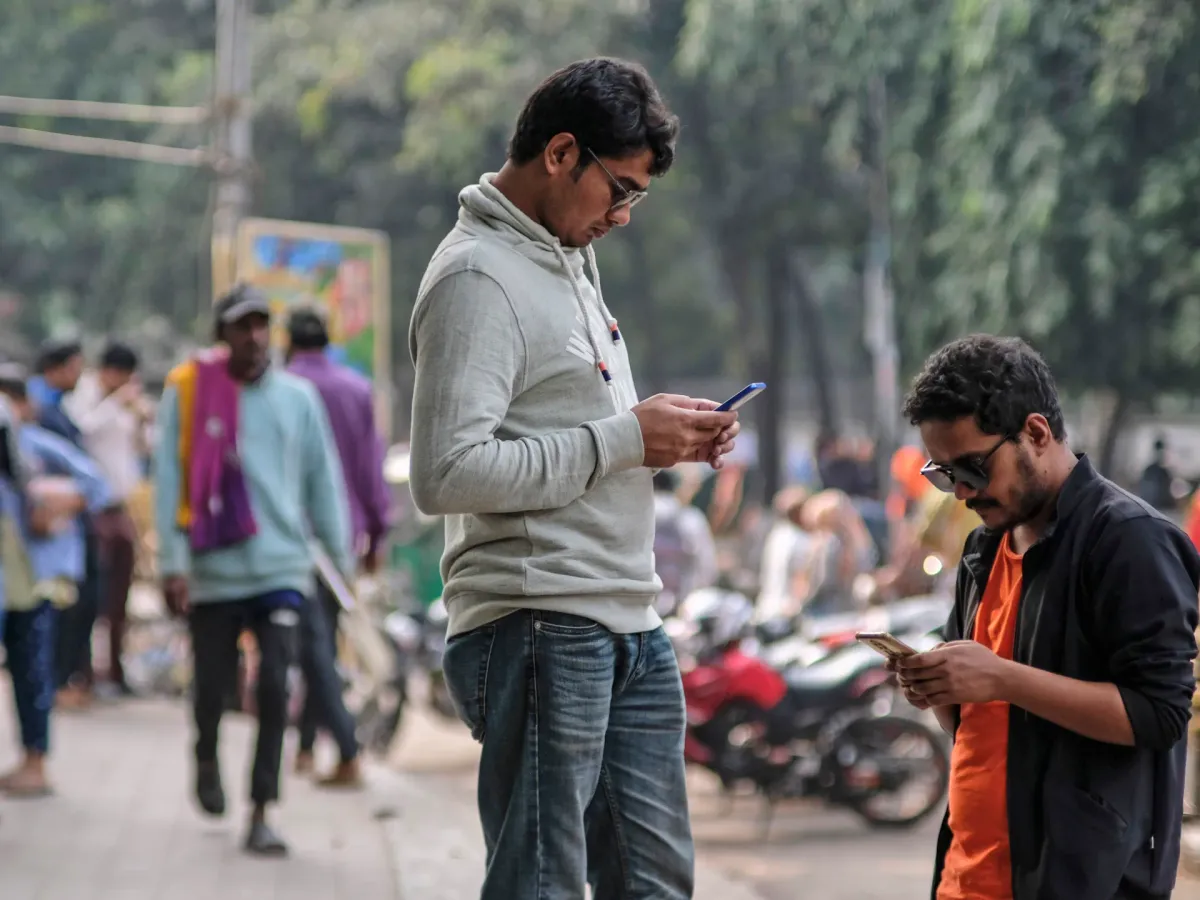
The numbers explain why parties are spending so much energy on digital platforms. Bangladesh has roughly 130 million internet users—about 74% of its population—as of November 2025. That translates to 64 million Facebook users, nearly 50 million on YouTube, over 56 million on TikTok (aged 18 and above), and 9.15 million on Instagram. These aren't niche audiences anymore. They're the mainstream.
We're a new kind of news feed.
Regular news is designed to drain you. We're a non-profit built to restore you. Every story we publish is scored for impact, progress, and hope.
Start Your News DetoxMore crucially, 43.56% of Bangladesh's voters are aged between 18 and 37. Many are first-time voters who felt sidelined under Hasina's rule. That frustration has converted into determination to participate in this election—and they're making their political decisions where they spend their time: on their phones.
The BNP-led alliance has responded by building MatchMyPolicy.com, a website where voters can register agreement or disagreement with specific policy proposals. It's a direct attempt to translate online engagement into policy clarity. Jamaat-e-Islami launched janatarishtehar.org, designed to crowdsource voter opinion for their election manifesto, while simultaneously attacking the BNP as indistinguishable from the Awami League.
Beyond the Election
The online battleground extends beyond candidate campaigns. The interim government has launched a digital push for a 'Yes' vote on the July Charter, a reform package meant to institutionalize changes sparked by last year's uprising. Even the NCP—the student-led movement that helped topple Hasina—is campaigning online for the same outcome, though through different networks and messaging.
Analysts note that offline campaigning still matters. But online campaigns do something offline can't: they set the topics people discuss offline. With a young electorate that lives partially in digital spaces, controlling the conversation online increasingly means controlling which issues dominate local conversations.
The February vote will show whether parties have understood this shift—or whether they've mistaken viral moments for actual political momentum.