
Mildred Howard has been making art in the Bay Area for fifty years. Next June, the Oakland Museum of California will finally give her the full retrospective she's earned—a show called "Poetics of Memory" that will pull together installations, sculptures, films, and works on paper from across her career, plus new pieces she's creating now, at eighty-something years old.
It's a homecoming of sorts. Howard grew up visiting OMCA as a child, brought her students there as a teacher, and has shown her work there before. But this retrospective, opening in 2026, marks something different: a sustained look at what she's been doing all along.
Memory as material
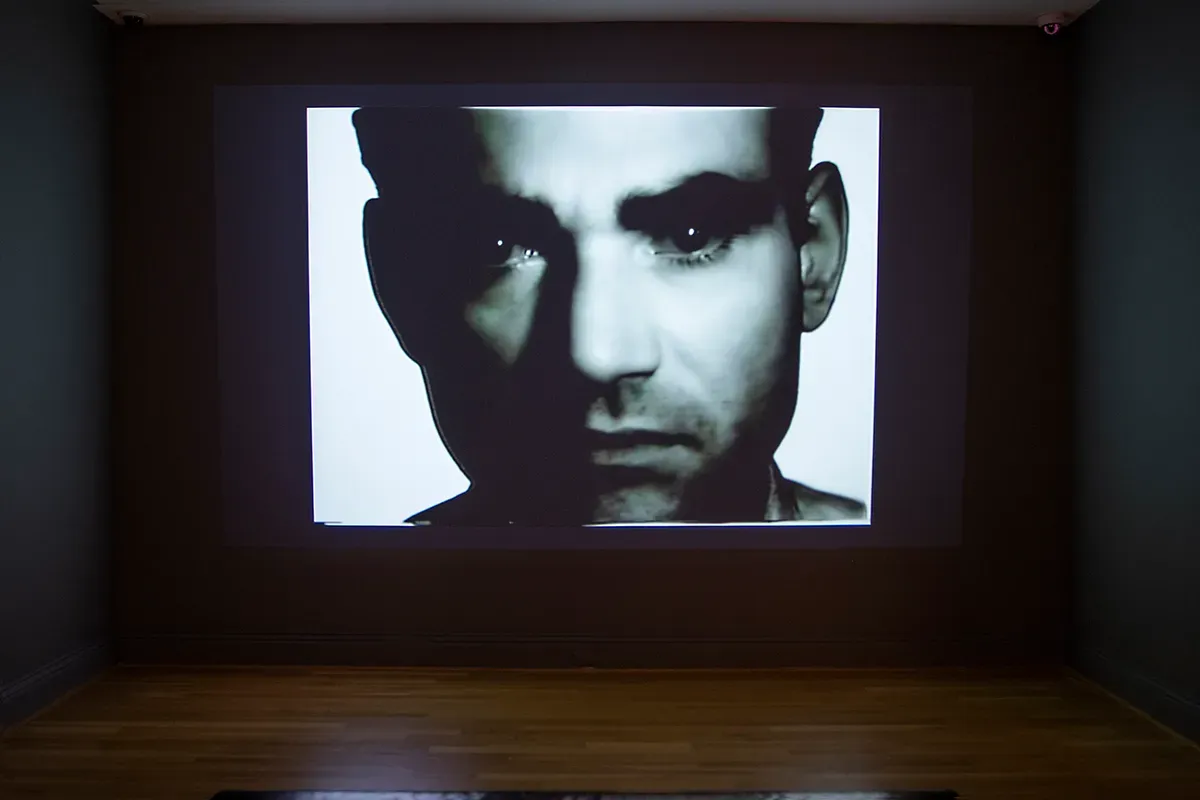
Howard's work is built on layers. She mines her own family history—including a 75-foot film installation featuring footage from a trip she took to the South with her mother in high school—but she's always connecting those personal stories outward to larger histories of race, power, and resistance in America. That's what drew curator Carin Adams to the title "Poetics of Memory." It captures what Howard does: she takes what she remembers, what her community remembers, and turns it into sculpture, installation, and film that makes you feel the weight of that remembering.
We're a new kind of news feed.
Regular news is designed to drain you. We're a non-profit built to restore you. Every story we publish is scored for impact, progress, and hope.
Start Your News DetoxThe retrospective will include two major installations. "Crossings," originally created in 1997, will be reconfigured for the show. "Blackbird in a Red Sky," from 2005, will also appear. There will be smaller works too—assemblages, sculptures, pieces on paper—though Adams notes the museum could have filled the space several times over with Howard's output. The real challenge was choosing what to show without overwhelming visitors, while still capturing the intensity of her practice.

One recent series will feature prominently: sculptures where Howard wrapped monuments depicting California men who were advocates for slavery of Black and Indigenous people. She calls it "Collaborating with the Muses." When asked about why that work matters now, Howard was direct: "Art is being so threatened right now, and voices are being silenced. But this is the perfect time to speak up and address those issues. It's my way of addressing the world and its complexities."
That clarity—that refusal to look away from hard history while still finding something generative in the act of making—runs through everything she does. Last year, the Guggenheim Foundation recognized it too, awarding her a 2025 Fellowship.
The "Poetics of Memory" retrospective opens at OMCA in June 2026.