After weeks of heavy rain, Cheddar reservoir in Somerset is finally brimming again—and so are its skies. Thousands of coots, hundreds of gulls and ducks, and dozens of great crested grebes crowd the surface. Some are already shifting into breeding plumage, their crests rising like tiny crowns.
They feed almost constantly, converting every moment into energy reserves for the season ahead. But this isn't just a gathering of the usual suspects. Scattered among the familiar birds are visitors that make birders stop mid-stride: flocks of scaup with their pale grey backs catching winter light, goosanders diving with the theatrical flair of birds in extravagant drag.
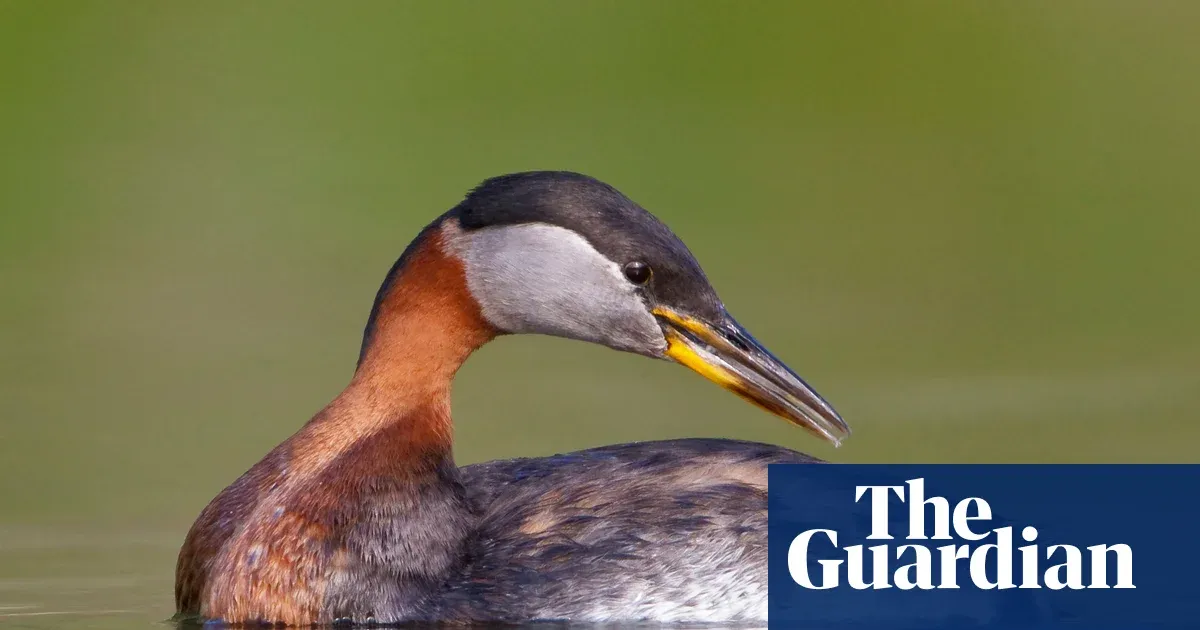
What draws serious attention, though, is something much rarer. The red-necked grebe—the scarcest member of its family in Britain—moves through the water with the kind of subtlety that makes finding it feel like spotting a secret. It's easy to mistake for a smaller, darker great crested grebe, which means scanning takes patience. False alarm after false alarm: a bright white neck surfaces, and it's not the one.
We're a new kind of news feed.
Regular news is designed to drain you. We're a non-profit built to restore you. Every story we publish is scored for impact, progress, and hope.
Start Your News DetoxThen, just as the search feels ready to end, it appears offshore. Dark face, dark neck, yellow base to the bill. The unmistakable silhouette of a red-necked grebe, close enough to watch without binoculars straining.
What makes this moment matter isn't just the rarity. It's the reminder that refilled reservoirs do more than solve a water crisis—they create space for life to gather, feed, and prepare for what comes next. A few weeks of rain have turned an empty basin into a staging ground for migration and breeding, a place where birds from across Europe can rest and rebuild before the harder months ahead.
The red-necked grebe's presence here, thousands of miles from where most of its cousins winter, hints at something larger: how climate patterns, water availability, and bird movements are all shifting together. Whether this particular bird belongs to the American or European race—a distinction that might one day split into separate species—matters less than the fact that it found its way here at all.