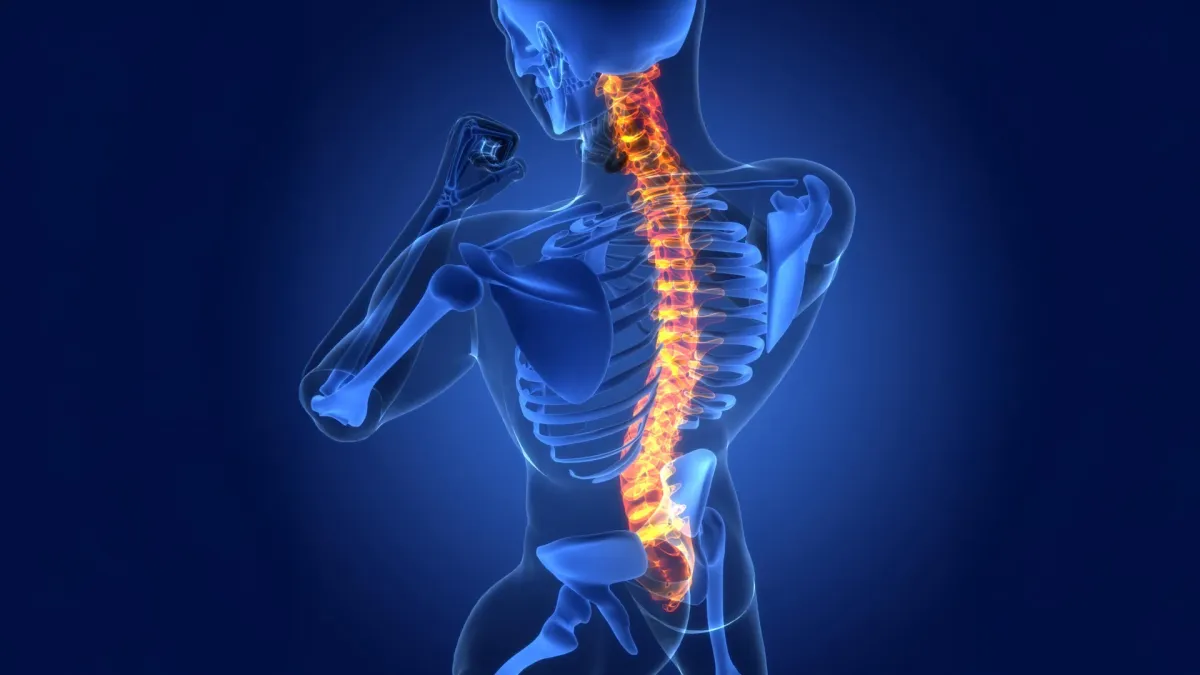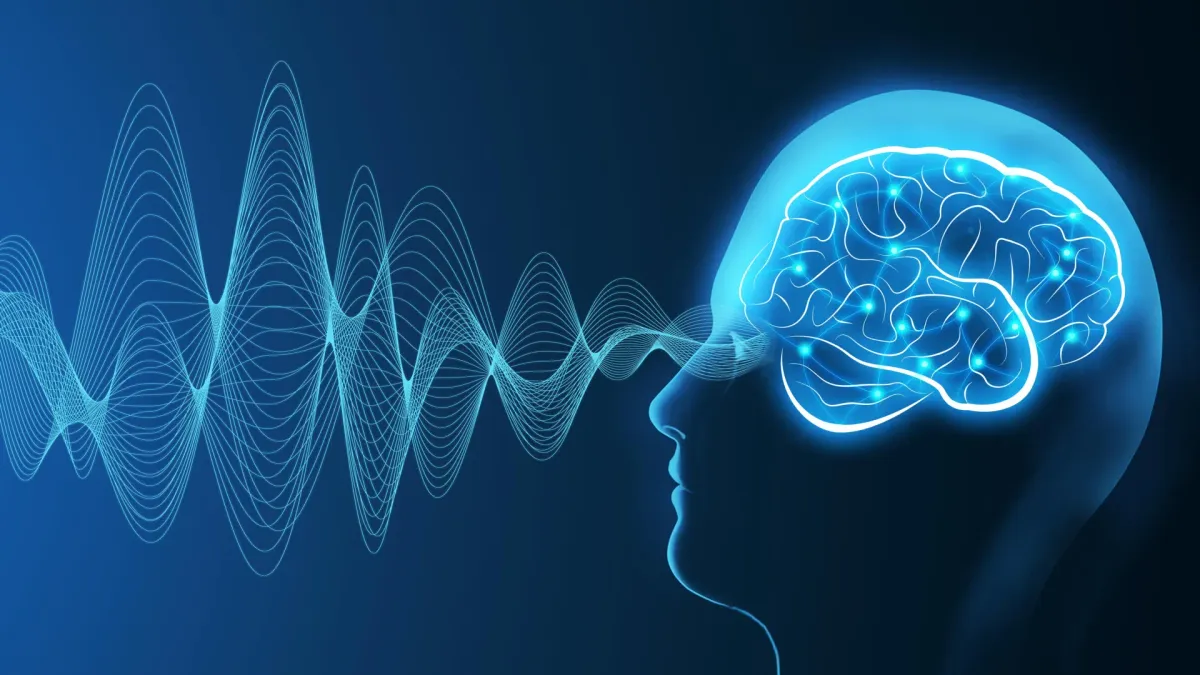
Even after spinal cord injury severs the connection between brain and body, the brain hasn't stopped trying. It still fires the electrical signals for movement—they just have nowhere to go. Scientists are now learning to intercept those signals before they hit the damaged spinal cord, and reroute them to stimulators that can activate the muscles directly.
The challenge has always been detection. Surgically implanted electrodes can pick up movement signals with precision, but they require invasive surgery and carry infection risks. Researchers at universities in Italy and Switzerland wanted to know if a simpler option existed: could EEG brain caps—the kind that sit on your scalp like a swimming cap—do the job instead.
When intention meets technology
When you try to move a paralyzed arm, your motor cortex still activates. The electrical activity is real. It's just trapped above the injury site, unable to reach the muscles. An EEG cap can detect this activity from the surface of the skull. The team's insight: if they could read those signals accurately and feed them into a spinal cord stimulator, they might bypass the injury entirely.
We're a new kind of news feed.
Regular news is designed to drain you. We're a non-profit built to restore you. Every story we publish is scored for impact, progress, and hope.
Start Your News DetoxIn testing published in APL Bioengineering, patients wore EEG caps while attempting simple movements. Machine learning algorithms analyzed the resulting brain activity, learning to distinguish between "trying to move" and "staying still." The system worked. It could reliably tell when a patient was attempting movement, even though the movement never happened.
But here's where the limits showed up. While the algorithm could detect that someone was trying to move, it struggled to identify which movement they were attempting. Upper limb signals—arms and hands—sit closer to the scalp and are easier to map. Lower limb signals originate deeper in the brain, where EEG struggles to reach them clearly. "The brain controls lower limb movements mainly in the central area, while upper limb movements are more on the outside," explained researcher Laura Toni. "It's easier to have a spatial mapping of what you're trying to decode."
This matters because specificity is everything. A system that only knows "patient wants to move" isn't enough. Patients need to command their legs to walk, or their arms to reach. That precision will take refinement—better algorithms, more sensitive sensors, longer training periods with individual patients.
The researchers are now working to teach their system to distinguish between specific actions: standing, walking, climbing stairs. If they can crack that, the path forward becomes clearer. A noninvasive EEG cap paired with a spinal cord stimulator could eventually help people regain meaningful movement without the surgery and infection risks that come with implanted electrodes.
The brain is still sending the message. We're just learning to listen.