Ever get lost in a scroll session, only to realize an hour disappeared? Brazil gets it. They just made those sneaky design tricks illegal for kids.
Their new law, the Digital Statute of Children and Adolescents, just kicked in. And here's the wild part: it doesn't just go after bad content. It targets the design of the platforms themselves.
No More Endless Scrolling
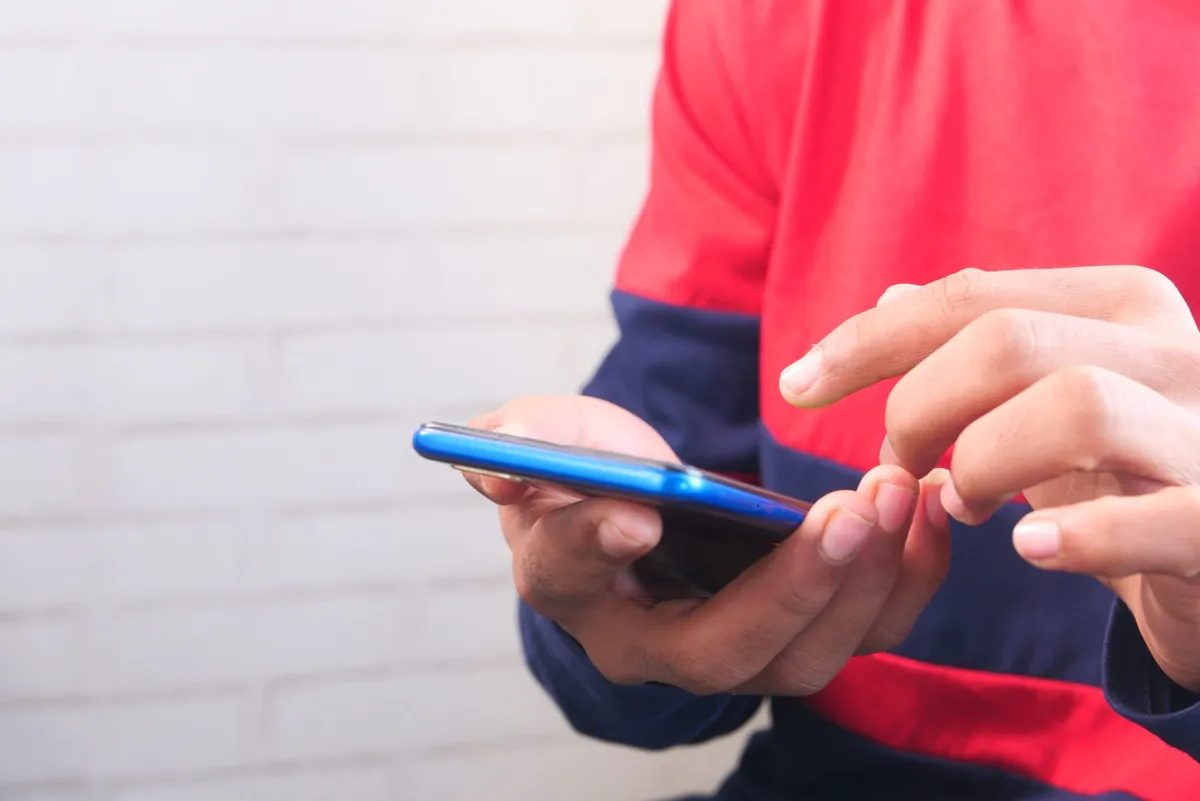
Think about it: infinite scroll and videos that auto-play are built to keep your eyes glued to the screen. They remove any natural break points, making it super easy to just keep going without thinking. Experts say these features trick users into staying online longer than they want.
We're a new kind of news feed.
Regular news is designed to drain you. We're a non-profit built to restore you. Every story we publish is scored for impact, progress, and hope.
Start Your News DetoxBrazil’s new rules say these designs are harmful to kids and can't be used for anyone under 16. Maria Mello, from the Alana Institute, has been pushing for this for years. She points out these manipulative designs can mess with kids' anxiety, pull them away from school, and even cause vision problems, on top of other issues like cyberbullying.
These features aren't an accident. They're programmed to keep us engaged. Brazil is the first country to say these designs are the problem, not just a symptom of bad stuff online.

What Else Changes?
Now, if you're under 16 in Brazil, your social media accounts have to be linked to a legal guardian. That gives parents some real oversight. Plus, platforms need serious age verification — no more simple checkboxes. It has to be a system a kid can't just bypass.
Companies that don't play by these rules could face fines up to 50 million reais, which is about $9.5 million USD. Seriously cool.
And tech companies are already moving. WhatsApp launched parent-managed accounts, letting guardians control who can message a child and which groups they can join. Google is even using AI to figure out if a user in Brazil is a minor and then restrict content. YouTube users under 16 will need a parent's OK to create or keep a channel.

President Lula put it simply at the signing ceremony: "We can no longer think that freedom doesn't go hand in hand with protection." It's about time, right?
Brazil isn't alone either. Australia banned social media for kids under 16 last December, and Indonesia plans a similar move this year. While the approaches differ, the goal is the same: protect kids online. Brazil chose to hold platforms accountable for their design, which many see as getting closer to the root of the problem. It's like saying, "Some info should just wait until you're grown up."