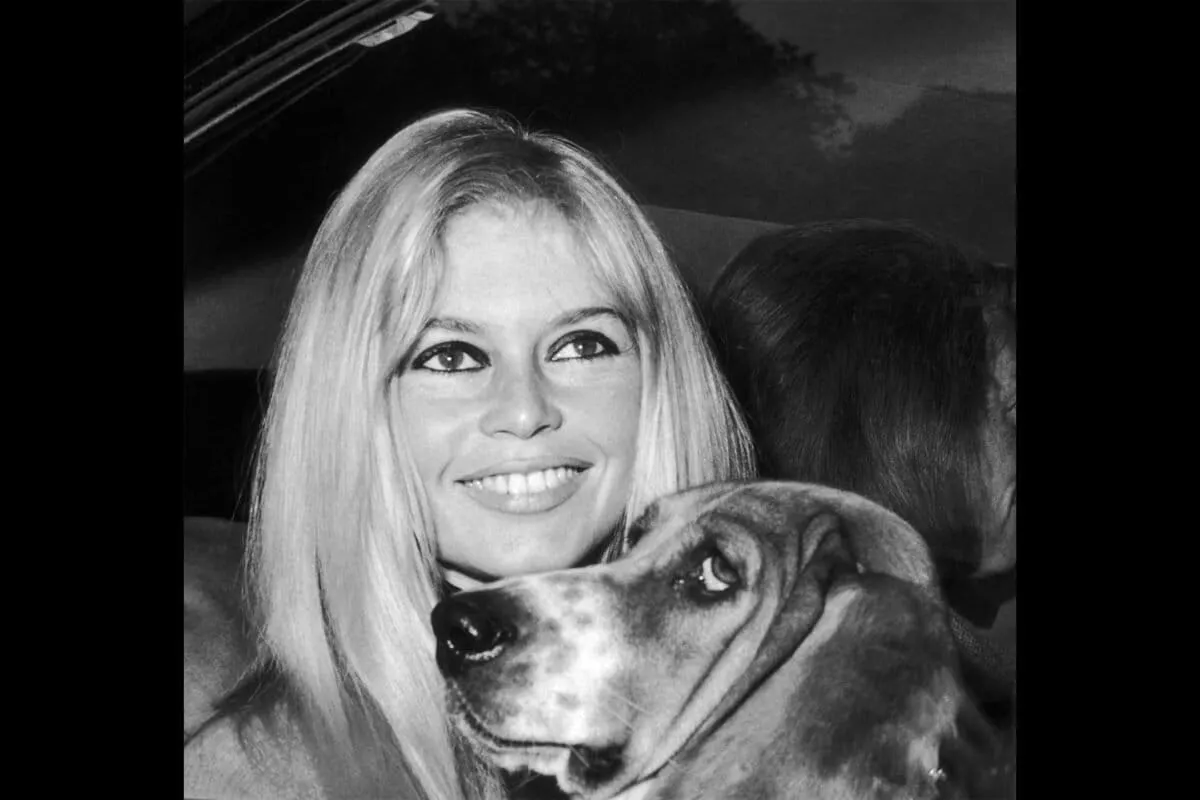
When Brigitte Bardot walked away from film stardom in her prime, she wasn't retiring — she was redirecting. The French actress became one of the 20th century's most visible animal advocates, and she did something unusual: she refused to separate the suffering of wild animals from the work of activism itself.
In the 1960s, Bardot traveled to the ice floes of Canada to confront the commercial seal hunt. She stood on frozen Arctic waters, camera crews documenting her outrage as hunters killed harp seal pups. The images went global. "Man is an insatiable predator," she said, and the words stuck. What made her different wasn't sentiment — it was that she treated animal suffering as a serious political issue, not a soft-focus charity.
Bardot's campaigns spanned bullfighting rings in Spain, fur farms across Europe, and whaling ships in distant waters. She didn't pick the easiest fights. She picked the ones where the animals had no voice of their own. She also didn't compromise. When critics dismissed her as a celebrity playing activist, she simply kept going.
We're a new kind of news feed.
Regular news is designed to drain you. We're a non-profit built to restore you. Every story we publish is scored for impact, progress, and hope.
Start Your News DetoxA Shift in How We See the Problem
Before Bardot, animal protection was often framed as sentiment — something nice people did for pets or endangered pandas. She reframed it as a moral obligation. Wild animals weren't cute mascots; they were beings capable of suffering, and that suffering mattered whether or not humans found it convenient to acknowledge.
Her high-profile campaigns didn't just raise awareness — they changed policy. The international seal hunt faced mounting pressure. Countries began restricting the fur trade. Practices that had been accepted for centuries became politically toxic. That didn't happen by accident. It happened because someone with a platform refused to let the issue fade.
Bardot faced ridicule. She was called extreme, obsessive, difficult. She was also effective. Her legacy isn't just in the policies that shifted or the animals that were spared — it's in how she modeled what it looks like to treat animal advocacy as a central life commitment, not a side project. She showed that a determined voice, amplified by visibility, could reshape how a society thinks about the natural world.
Today's animal advocates, from ocean conservationists to wildlife protection organizations, work in a landscape she helped create — one where animal suffering is no longer dismissed as a minor concern.