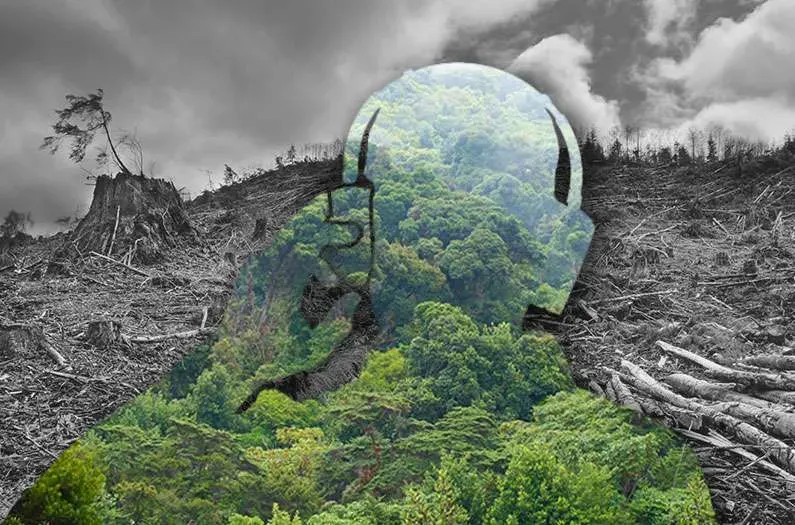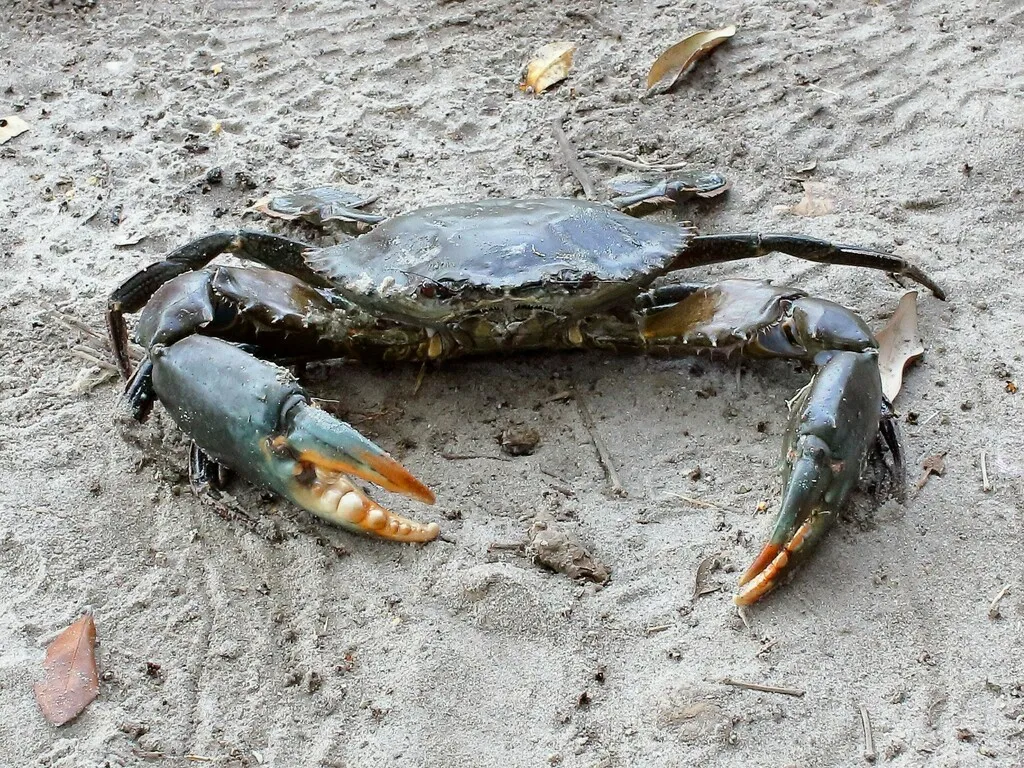
Mangrove forests line tropical coasts like nature's bodyguards — they absorb storm surge, lock away carbon, shelter fish nurseries, and sustain millions of people. Yet seven out of ten restoration projects fail. Seedlings wither. Sites worsen. Communities lose faith.
The problem isn't usually the vision. It's the gap between knowing mangroves matter and having the resources, expertise, and sustained support to actually plant them back.
Catherine Lovelock, a mangrove ecologist at the University of Queensland, has watched this pattern repeat across Southeast Asia and Latin America. Small community groups — the people who know the local waterways best — often lack the funding, scientific monitoring capacity, or media reach to make projects stick. They're doing the hardest work with the thinnest resources.
We're a new kind of news feed.
Regular news is designed to drain you. We're a non-profit built to restore you. Every story we publish is scored for impact, progress, and hope.
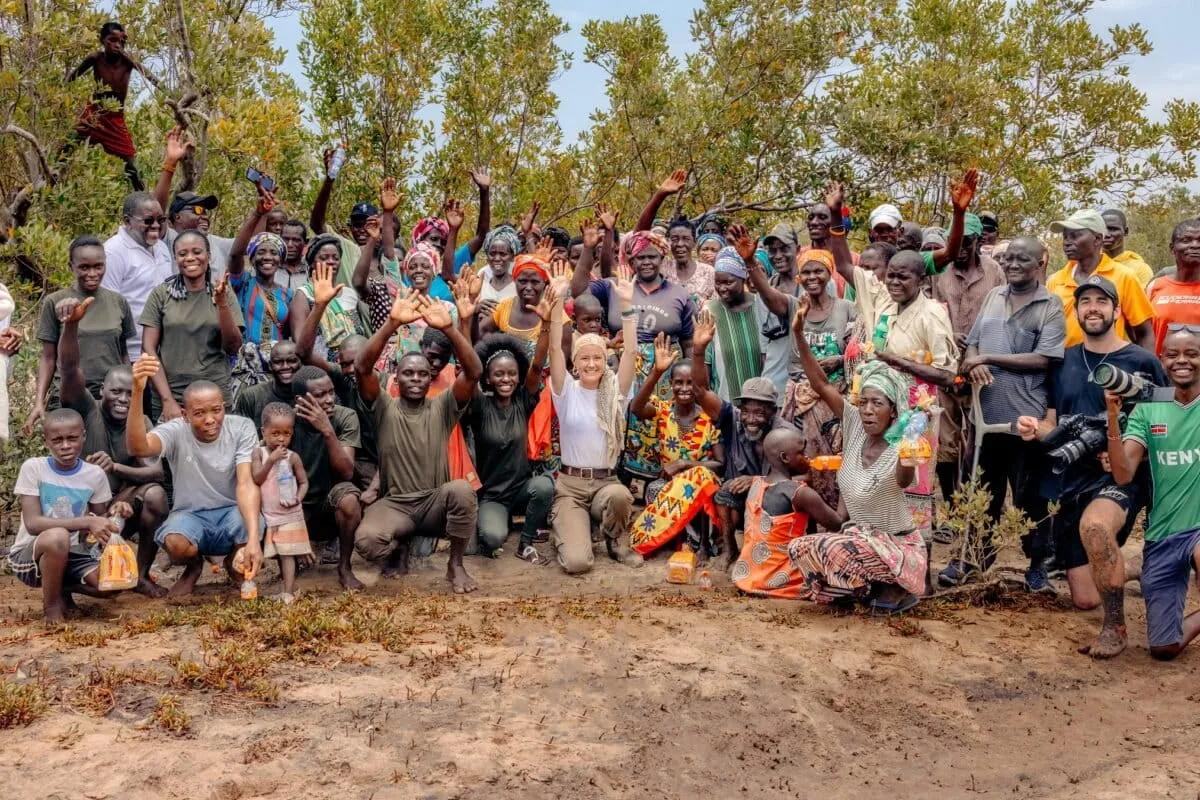
Start Your News DetoxSeatrees, a California-based nonprofit that started in the surfing community, saw an opening. Rather than running its own restoration sites, the organization partners with local groups already rooted in their communities. Seatrees brings three things: money, science, and storytelling.
Over the past five years, they've supported mangrove projects in Kenya, Mexico, the United States, and Indonesia. The formula is deliberate. "We provide much needed funds to scale up tree planting, produce storytelling materials, and build capacity in science, monitoring and impact measurement," says Leah Hays, the program director. A local group knows where mangroves should grow and why their neighbors care. Seatrees helps them measure whether the trees actually survive, document the work in ways that attract more support, and train people in the monitoring skills that turn a one-off planting into a long-term practice.
This model — connecting global funding and expertise to local leadership — is spreading. Researchers have identified nearly 130 organizations worldwide now using similar approaches to coastal and marine restoration. The shift reflects a quiet but significant realization: restoration works better when it's rooted in community knowledge, not parachuted in from outside.
What's emerging is a network of organizations learning from each other's failures and successes. When a project in one region discovers that a particular mangrove species thrives in degraded soil, that knowledge travels. When storytelling from Indonesia attracts donors, other groups adopt the approach. The work is still hard — mangroves grow slowly, funding remains scarce, and local support requires patience. But the infrastructure supporting restoration is thickening. Communities now have partners who understand both the science and the fundraising, who won't disappear after the first planting season.