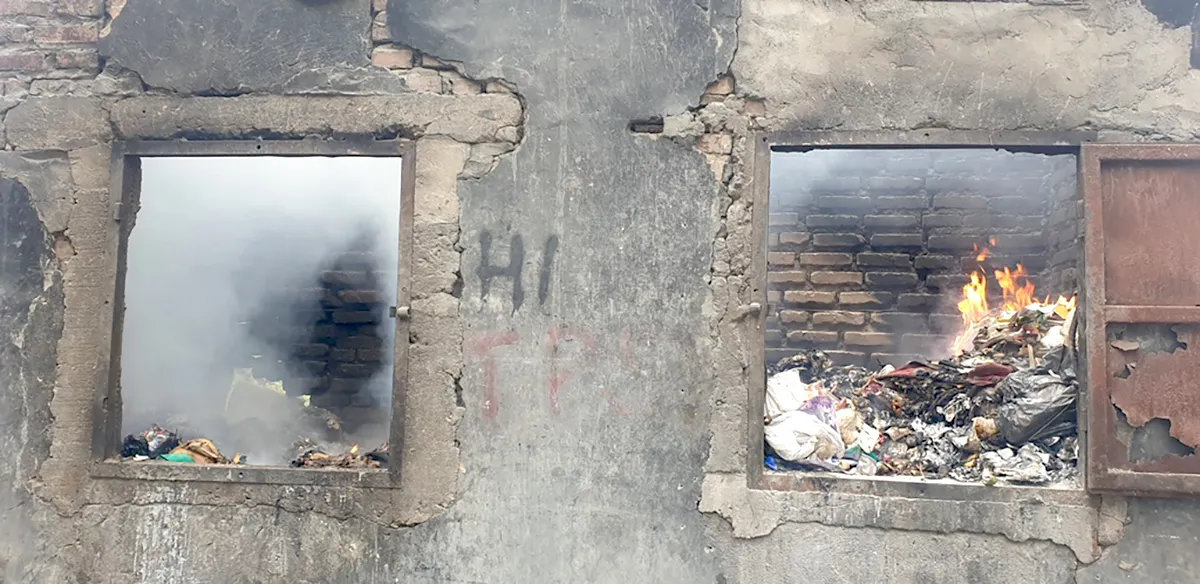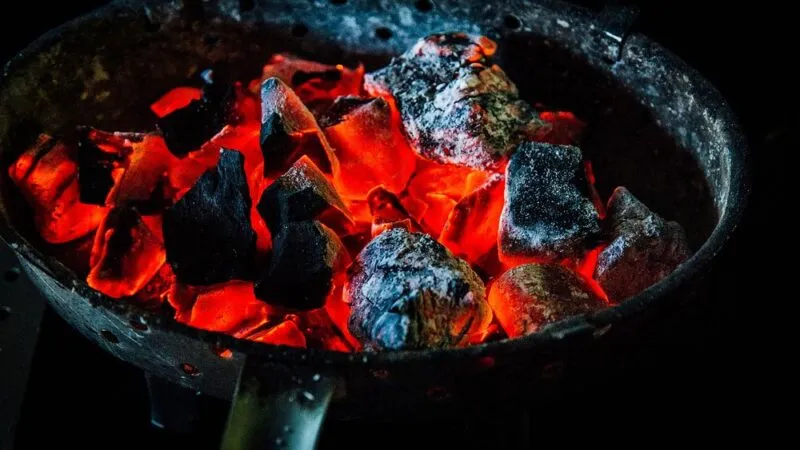
In Cameroon, the choice between cooking and deforestation has been brutal. Over the past 20 years, the country has lost more than 2 million hectares of forest — much of it cut for charcoal and firewood. The toll is measured in premature deaths: wood smoke causes around 815,000 deaths annually across Sub-Saharan Africa, most from respiratory illness and indoor air pollution. Only 23% of Cameroonians have access to clean cooking fuel.
But a quieter shift is underway. Some households are now burning briquettes made from waste — coconut shells, cassava peels, corn stalks, sawdust — instead of trees.
From waste to fuel
Eco-charcoal (or briquettes) isn't new technology, but it's gaining traction in Cameroon because it solves two problems at once. Martin Antoine Issepe, who switched to eco-charcoal, describes the first: "Biodegradable solid waste often blocks drainages and other water circulation channels, causing floods. Transforming this waste into something tangible ensures a good decrease in the number of trees cut down."
We're a new kind of news feed.
Regular news is designed to drain you. We're a non-profit built to restore you. Every story we publish is scored for impact, progress, and hope.
Start Your News DetoxThe second problem is the smoke itself. Traditional charcoal produces thick black smoke that stains kitchen walls and damages lungs. Lisa Tembe, another user, notes that eco-charcoal burns cleaner and reduces the constant scrubbing of kitchen utensils — a daily burden in homes that cook over open flames.
At Stema Group, one of the few companies producing eco-charcoal in Yaoundé, Technical Director Maurice Wofo sources materials from local waste streams: plantain skins, potato peels, cassava husks, coconut shells. The production process burns these materials in a controlled way, with the carbon dioxide released being absorbed by nearby trees. It's a small carbon loop — not perfect, but closed.
What makes this work is availability. These materials are everywhere in Cameroon. They're not imported, not expensive, not dependent on complex supply chains. They're the scraps that pile up in markets and kitchens daily.
The scale question
The Cameroonian government has noticed. The National Prototype Support Fund, launched in 2021, funds clean cooking projects with an explicit goal: raise access from 23.4% to 40% by 2030. It's not ambitious by global standards — South Africa and Gabon already sit above 90% — but it's a target, and it's funded.
What remains unclear is whether eco-charcoal can scale beyond early adopters. A handful of companies producing briquettes in one city is not yet a movement. The real test comes when demand grows enough that producers can't source waste locally, or when households need to be convinced that a new fuel is worth the switch from what they know.
For now, Cameroon is watching whether waste can replace trees — and whether that shift can spread beyond the households already making it.