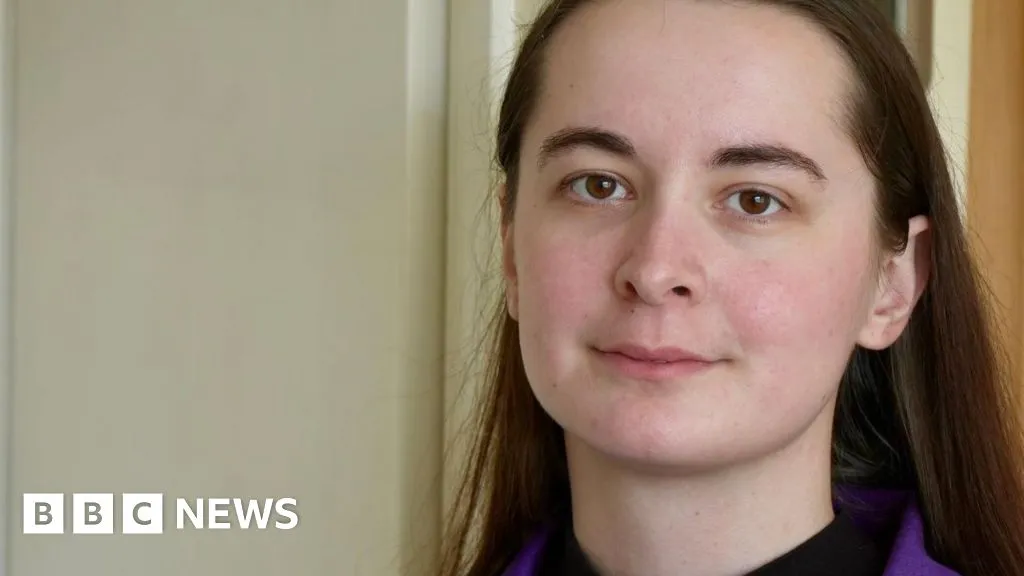
Mollie Cole-Wilkin was sitting at home when her phone rang just 30 minutes after applying for a care job. The voice on the other end sounded like a person — calm, responsive, genuinely interested. It wasn't. She was talking to Ami, an AI recruiter developed by homecare company Cera, and within five minutes she'd passed the screening.
It's a small moment that hints at something larger: a sector in crisis trying to move faster. England's adult social care system will need almost 440,000 more care workers by 2035. Right now, recruitment moves at a crawl — traditional processes leave applicants waiting days or weeks, long enough for many to drop out or take other jobs. Cera's AI system has already screened 14,600 applicants and hired 1,028 carers since launching in August 2025. The company says it's halved the time from application to interview and doubled job offers for the same recruitment spend.
What makes this work

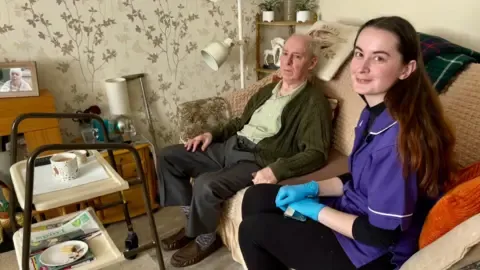
For Cole-Wilkin, 23, the AI felt unexpectedly human. She'd left a GP surgery job after a difficult experience and moved into administration, but missed "being physically helpful for other people." When she tried care roles again, she found the AI less intimidating than a human interviewer — especially valuable since she stammers occasionally. "It was nice to know that I wasn't going to be judged," she says. "I get very anxious, especially face to face."
We're a new kind of news feed.
Regular news is designed to drain you. We're a non-profit built to restore you. Every story we publish is scored for impact, progress, and hope.
Start Your News DetoxAmi conducts standardized interviews using the same script every time, scoring applicants on attitude and experience. Cera argues this reduces human bias — a real advantage for candidates who find traditional interviews stressful. The system asks about right to work, driving licence, experience, and shift availability. When a BBC correspondent tested it by claiming they couldn't work Saturdays because they were a taxi service for their child, Ami stayed calm, acknowledged the constraint, and negotiated Sundays instead. The correspondent passed.
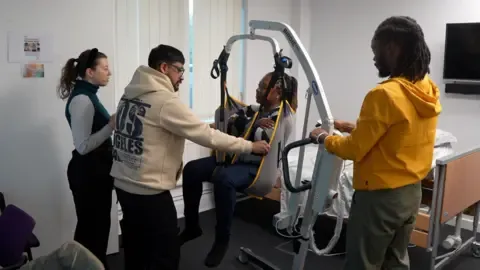
The speed matters for more than just recruitment. Lucy Kruyer, branch manager at Cera's Colchester office, points out that faster hiring unblocks hospital discharge delays. "People don't want to be laying in a hospital waiting for care because they can't come home without the care," she says. Cera also uses AI to arrange emergency cover when carers call in sick — work that used to mean hours on the phone.
The skepticism
But not everyone is convinced. Janet Beacham, a former nurse with 45 years in healthcare who runs Swift Care Solutions in Colchester, believes algorithms can't read the subtle cues that matter in care. "If they haven't got care in their heart then they're not going to be a good carer," she says. She argues that care workers enter clients' homes as guests, and only a person can sense whether someone is genuinely suited to that role.
There's a real tension here. Large language models like Ami work through pattern recognition — they're good at consistency but not at detecting the ineffable qualities that make someone trustworthy in someone's home. The trade union Unison acknowledges that technology can free up staff time, but warns that "any use of AI must be transparent, fair, and fully compliant with equality and employment laws." The Local Government Association adds that care is "fundamentally person-centred" and that humans should always oversee decisions.

Cera's response is pragmatic. Ami doesn't make final hiring decisions — she screens and passes candidates to human recruiters who conduct in-person interviews, run background checks, and lead training before anyone starts work. The company's founder and CEO, Dr Ben Maruthappu, frames it as expansion, not replacement. "We're using AI to recruit more people faster, not replace them," he says. With Cera handling 2.5 million care visits a month and receiving 500,000 applications a year, the bottleneck is real.
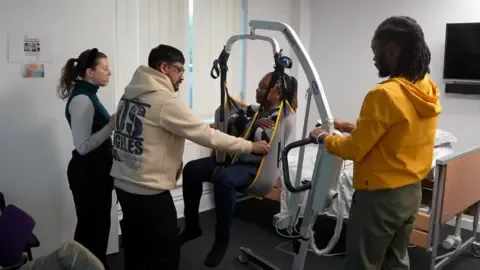
What's notable here is that the question isn't really whether AI can judge empathy — it probably can't, not in any meaningful way. The question is whether it can move people through the first gate fast enough to actually solve a workforce crisis. If AI screening means someone like Cole-Wilkin gets a callback in 30 minutes instead of never, that's not about replacing human judgment. It's about making the system less broken.
The government has announced a "test and learn" approach to AI funding in the public sector but hasn't yet developed a legal framework for its use in care. That matters. As this technology spreads to dentistry and beyond, the guardrails — transparency, human oversight, fairness — will determine whether it actually widens opportunity or just automates the existing bottlenecks in a new way.