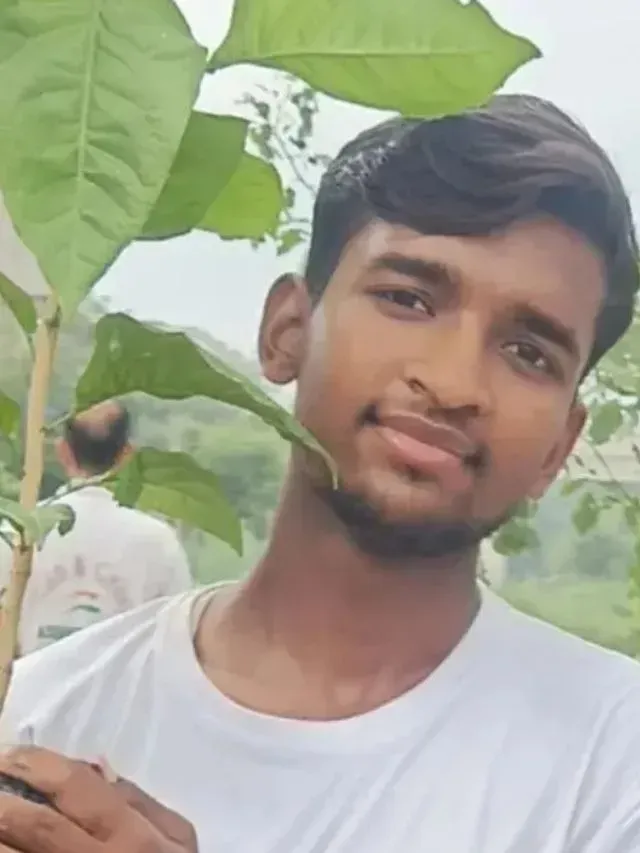
Dharma, a waste picker who migrated from Uttar Pradesh to Delhi, described his old life in three words: nothing was fixed. The pay was uncertain, irregular, and came without respect. When 20-year-old Karan heard this, something shifted.
Karan grew up watching his father build a workshop from nothing in Bihar. He'd spent childhood taking apart anything he could find, driven by a need to understand how things worked. By his teens, he'd already run a milk delivery service with his brother during the pandemic. But a school entrepreneurship programme called Udhyam Shiksha pushed him somewhere new: into Delhi's waste sites, where he actually talked to the people sorting the city's refuse.
"They told me, 'We are not scrap collectors. We are businessmen,'" Karan recalls. That reframing mattered. It meant the problem wasn't the workers — it was the system treating them as invisible.
We're a new kind of news feed.
Regular news is designed to drain you. We're a non-profit built to restore you. Every story we publish is scored for impact, progress, and hope.
Start Your News DetoxFrom insight to action
In 2022, Karan launched Finobadi (a blend of "finance" and "kabadi," the Hindi word for scrap). The idea was straightforward: organize waste collection, ensure fair pricing, and give workers the consistency they'd been denied. He printed pamphlets, built a basic app and website, and started coordinating pickups across Delhi neighbourhoods.
The model works like this: Finobadi collects segregated waste from homes and businesses, processes it at a central hub where workers sort materials by type, and sells the recyclables to larger processors. Workers earn a fixed rate per kilogram — no haggling, no guessing what the day will bring. By 2024, the operation had grown enough to register as a formal company.
The numbers tell the story. Over 70 workers now have dependable income through Finobadi. The operation has processed 450 tonnes of waste and planted 3,318 trees (one sapling for every 100 kg recycled). Sunita, one of the trained sorters, now earns enough to support her children's education — a shift from precarious daily earnings to something she can actually plan around.
What's less obvious but equally important: this model addresses a gap in Delhi's recycling chain. Waste pickers have always existed in the informal economy, which means no contracts, no safety standards, no record of their work. Finobadi formalizes that labour without asking workers to leave the job they already do. It's a small structural change with real consequences for dignity.
The startup's next phase involves expanding to other Delhi neighbourhoods and eventually other cities. Karan's vision isn't to build a waste empire — it's to prove that treating recycling workers as professionals, not invisible labourers, makes the entire system work better. Better pay, better conditions, and waste that actually gets recycled instead of dumped.
For a 20-year-old, Karan understood something many businesses never do: solving a real problem starts with listening to the people living it.