A Munich-based outdoor company just borrowed technology from autonomous vehicles to solve a problem that's plagued motion-sensor lights for decades: they keep turning on when nothing's there.
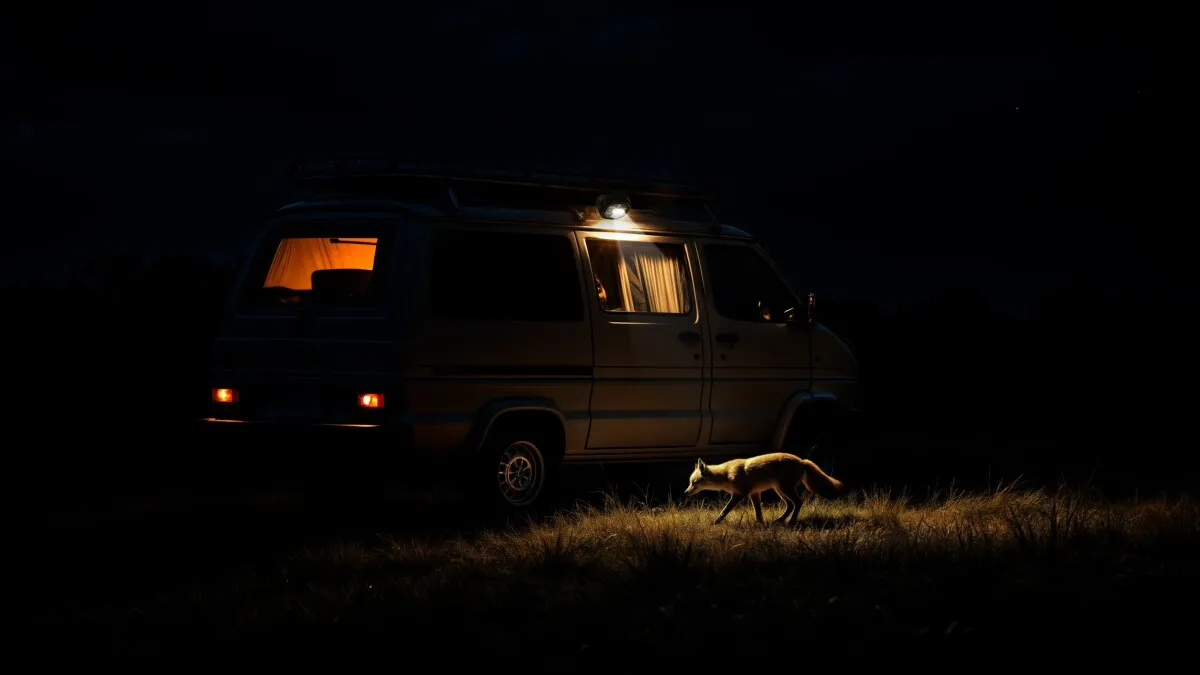
Traditional motion lights use heat sensors that detect warm bodies moving past them. Sounds simple. It fails constantly. A cat, a gust of wind pushing branches, temperature swings at dusk—all of it triggers the light. You've lived this: the security light blazing at 2 a.m. for no reason.
The CampLight Pro works differently. It uses millimeter-wave radar—the same sensing system that helps self-driving cars understand their surroundings—to detect actual movement. Instead of measuring heat, it sends out high-frequency radio waves and analyzes how they bounce back. The physics is the same principle that makes an ambulance siren pitch higher as it approaches: the Doppler effect. The radar can pick up something as subtle as breathing, work perfectly in complete darkness, and see through smoke, dust, glass, and curtains.
We're a new kind of news feed.
Regular news is designed to drain you. We're a non-profit built to restore you. Every story we publish is scored for impact, progress, and hope.
Start Your News DetoxFor someone camping or parked in a van, this matters. It means a light that actually responds when you need it and doesn't waste battery power on false triggers.
Built for actual outdoor use
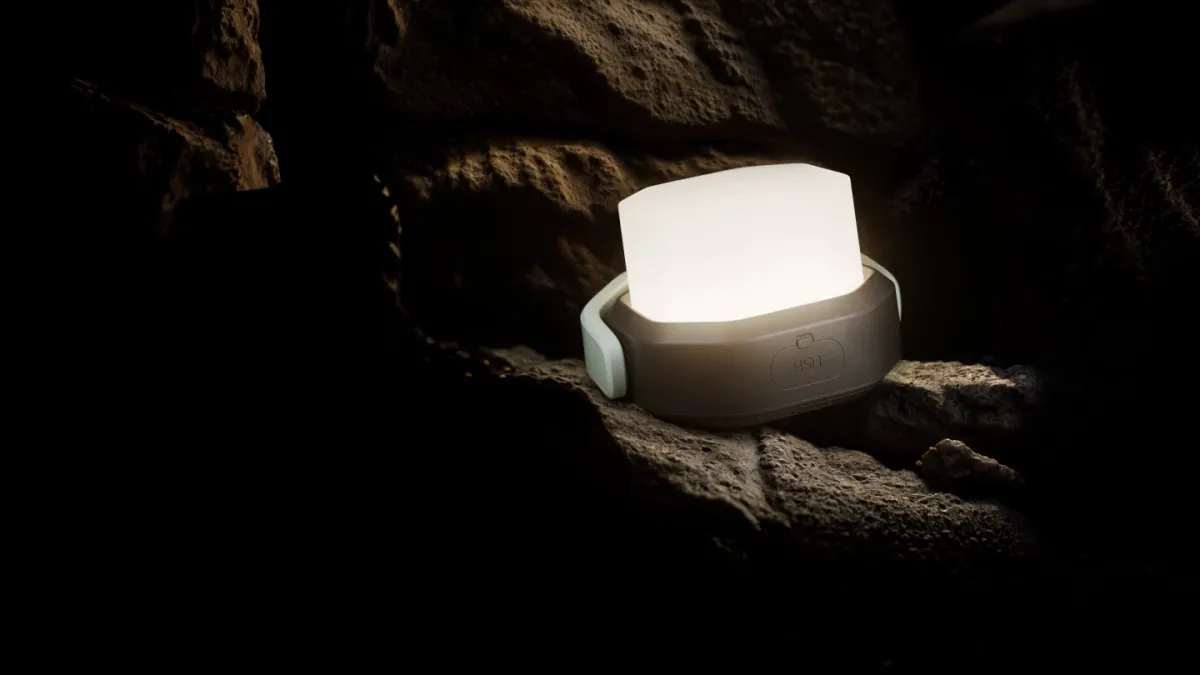
Offscape, the team behind this, is a collective of European outdoor enthusiasts based in Munich. They've built the lantern with aluminum housing, magnetic mounts that rotate 360 degrees, and adapters for tent poles or wooden posts. It charges via USB-C and has a built-in solar panel for off-grid trips. A smartphone app lets you adjust brightness, color temperature, and sensor sensitivity from your sleeping bag.
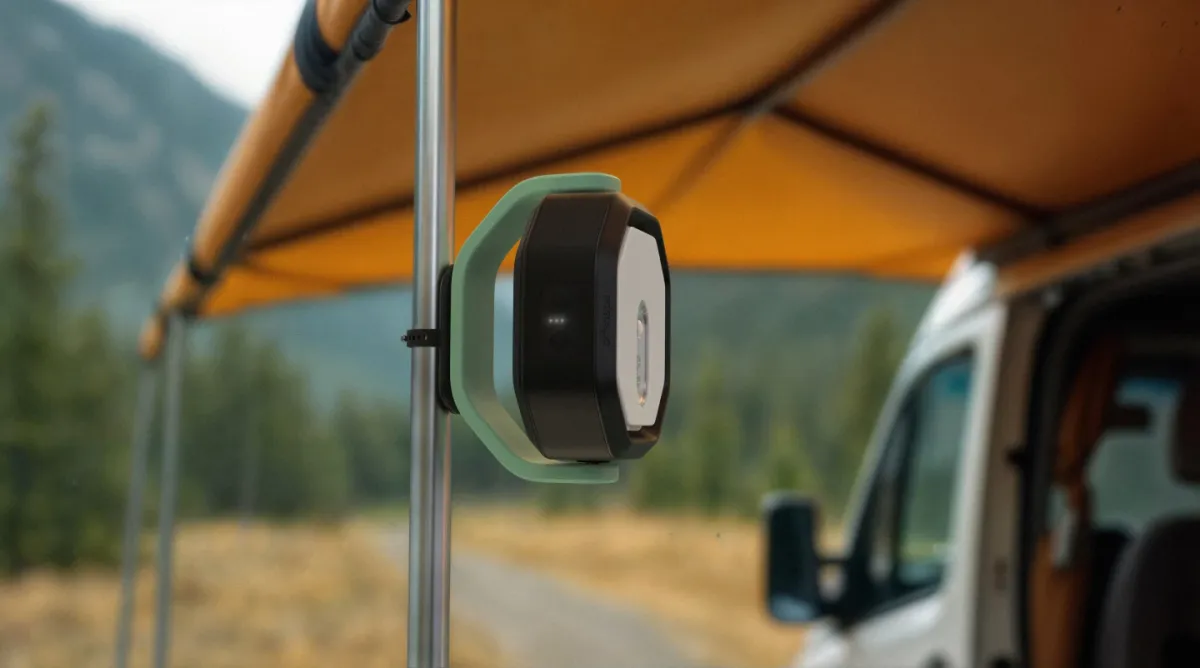
The radar system isn't perfect. Wind-blown leaves can occasionally trigger it, and hard surfaces can scatter the signal unpredictably. It's sensitive enough that movement inside a nearby building might set it off. These are tradeoffs, not deal-breakers for most camping scenarios, but worth knowing before you commit.
The CampLight Pro is funding through Kickstarter, with early-bird pledges starting around €149 (about $175)—roughly 25% below the expected retail price. This is Offscape's first product and first crowdfunding campaign, which carries the usual risks. The campaign page shows detailed development work and production timelines, and the creators have been responsive to backer questions. If things proceed on schedule, shipments are targeted for August.
It's a small example of how technology trickles down from cutting-edge industries into everyday problems. Autonomous vehicle sensors are solving the age-old annoyance of lights that cry wolf.