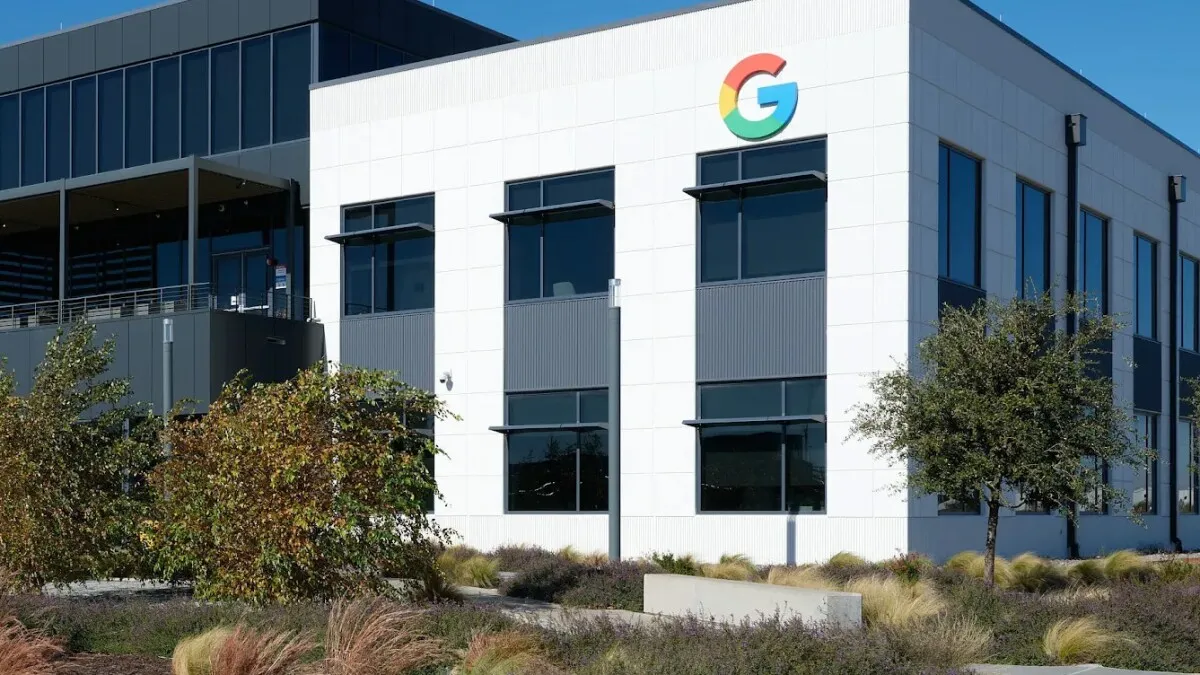
A medium-sized data center gulps roughly 110 million gallons of water annually just to keep its servers from overheating. That's equivalent to what a thousand households use in a year. Now multiply that across America's 4,000-plus data centers—two-thirds of them already sitting in water-stressed regions—and you start to see why Google's upcoming facility in Wilbarger County, Texas is worth paying attention to.
The company says it will cool the center using advanced air-cooling technology, eliminating water consumption for that purpose entirely. Water will only be used for essential campus operations like kitchens. It's an ambitious claim in an industry where cooling systems haven't fundamentally changed despite explosive growth in AI and cloud computing demand.
Why This Matters More Than You'd Think
Here's what makes the water problem tricky: it's not really about total consumption. Data centers don't actually use more water than other industrial facilities, and they typically don't raise residents' water bills the way they drive up electricity costs. The real crisis is geographic timing. When a drought hits a water-stressed region, a demanding data center and the local water system aren't designed to respond quickly enough. A single facility could leave a community vulnerable during scarcity.
We're a new kind of news feed.
Regular news is designed to drain you. We're a non-profit built to restore you. Every story we publish is scored for impact, progress, and hope.
Start Your News Detox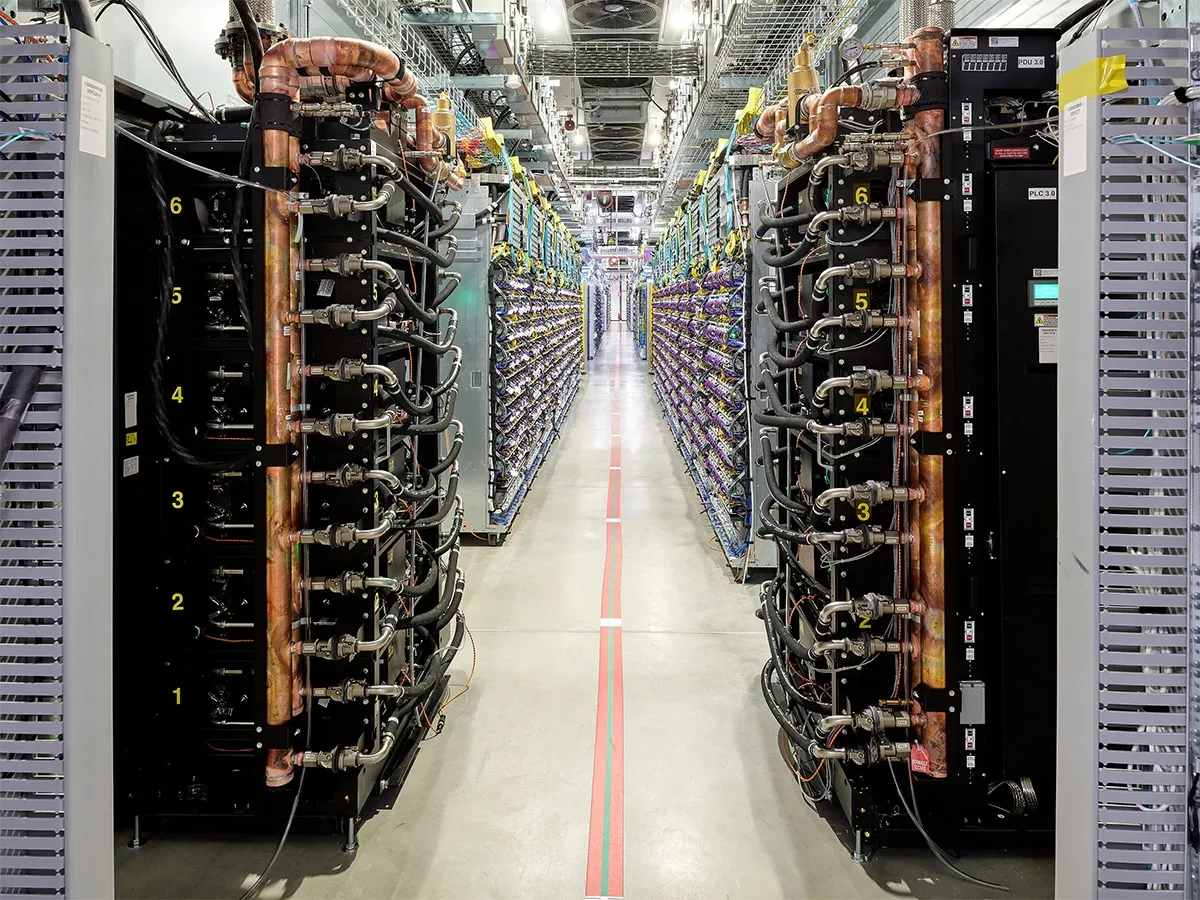
Tech leaders have tried to downplay individual impact. OpenAI's Sam Altman noted that a single ChatGPT query uses only about 0.000085 gallons—roughly a milliliter. True enough. But when millions of queries run daily across dozens of data centers in the same region, that individual drop becomes a collective drain on systems that can't flex fast enough.
Google's Texas project has real advantages beyond the water angle. The location offers proximity to more users, access to renewable energy, and lower land costs. The company is partnering with energy provider AES to build new clean energy plants alongside the data center—a crucial detail, because air-cooled systems demand substantial energy. Without renewable power backing them, you've just swapped one problem for another.
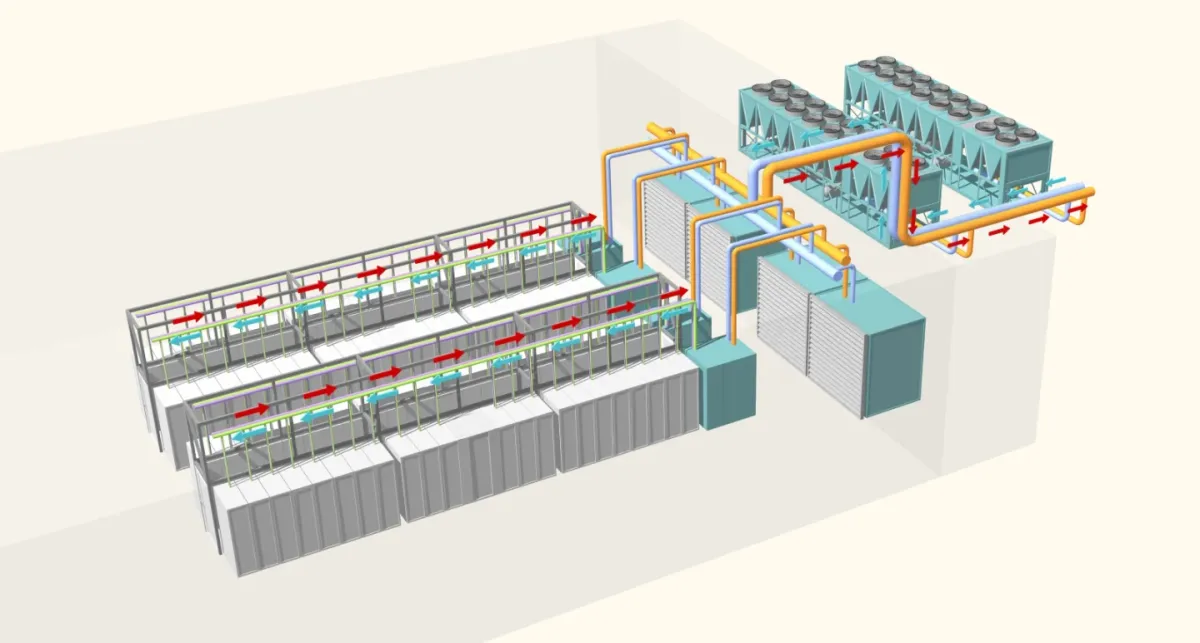
The company hasn't disclosed the specific cooling technology it's using, only that it applies a "multidimensional methodology" to choosing systems for its campuses. That vagueness is worth noting. Real credibility comes from transparent results, not promises.
Google isn't alone in exploring alternatives. Microsoft began piloting zero-water evaporation systems in 2024, which recycle water through closed loops so facilities never need fresh water for cooling. The company plans to deploy this technology starting next year. These aren't theoretical anymore—they're moving into real infrastructure.
What matters now is whether tech companies will acknowledge that their facilities create outsized impacts on local communities and commit to concrete solutions before water stress becomes intractable. Google's Texas project could set a meaningful precedent if it delivers on its water-free promise. The industry is watching to see if this becomes standard practice or remains an exception.