Researchers measuring whether psychedelics trigger mystical experiences have found something curious: the correlation between transcendence and healing is real, but the causation is murkier than expected.
The data is solid. Studies from Johns Hopkins and Imperial College London show that people who report profound mystical states during psilocybin or LSD sessions tend to improve more on depression and anxiety measures. But when scientists dug into why this happens, the story got complicated.
What the numbers actually show
Clinical trials use a standardized questionnaire—the Mystical Experience Questionnaire—to measure whether participants hit what researchers call a "full mystical experience." Participants rate statements like "I had an experience of unity with ultimate reality" or "I had an experience which cannot be described adequately in words." Higher scores predict better outcomes.
We're a new kind of news feed.
Regular news is designed to drain you. We're a non-profit built to restore you. Every story we publish is scored for impact, progress, and hope.
Start Your News DetoxBut here's the problem: if an experience is truly ineffable—beyond words—how do you measure it with a checklist? Some critics argue the MEQ doesn't neutrally capture mystical states; it reflects a specific philosophical framework called "perennial philosophy," which assumes all religions tap into the same core truth. The scale may partly be testing the very theory it claims to measure.
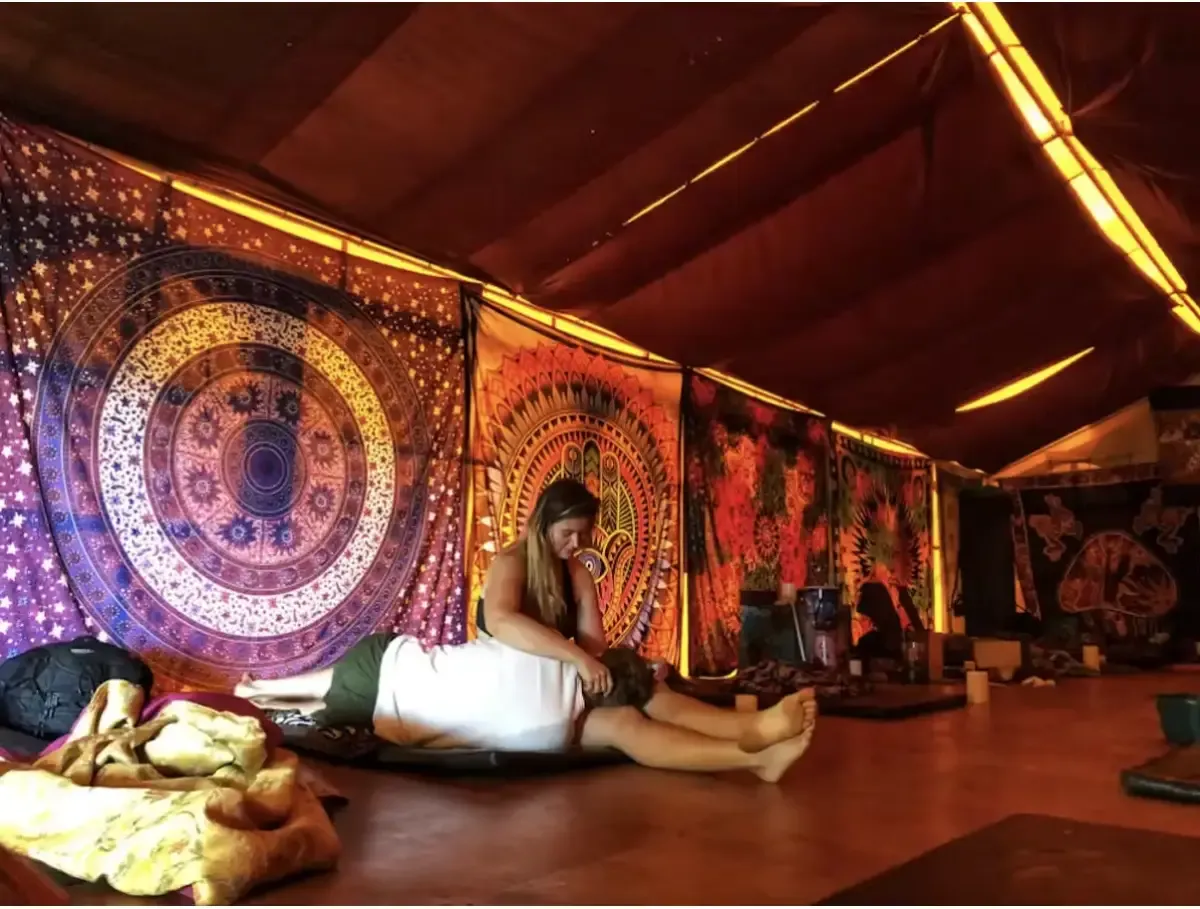
Then there's the expectation effect. In one famous study, researchers told participants they'd wear a device that could activate their "mystical lobe." No device actually worked. Nearly half still reported meaningful mystical experiences. In another experiment, placebo psychedelics in a carefully designed setting—mood lighting, evocative music, the works—produced strikingly similar reports. This suggests context and expectation aren't background details. They shape what people experience in fundamental ways.
The real mechanism might be simpler
None of this means psychedelic therapy is "just a placebo." The drugs clearly alter brain chemistry and consciousness in powerful ways. But it does raise a crucial question: is the mystical experience driving healing, or is it one visible marker of something deeper happening?
Think of it this way. When someone improves after a psychedelic session, multiple things are occurring at once: new neural connections forming, emotional defenses softening, entrenched beliefs shifting, supportive therapists helping them process the experience. The mystical feeling might be the most noticeable part—the peak moment you remember and report to researchers. But it may not be the active ingredient.
Stanislav Grof, a pioneer of psychedelic therapy, compared these substances to microscopes for the mind. They magnify whatever's already there. For some people, that's unity and transcendence. For others, it's confronting grief or long-buried trauma. The drug doesn't determine the content; it amplifies the process.
This reframing—psychedelics as catalysts rather than magic bullets—actually makes the research more optimistic, not less. It means the therapeutic benefit doesn't depend on hitting some mystical threshold. A person might improve through emotional breakthroughs that feel nothing like transcendence. What matters is the web of factors working together: the drug's neurochemical effects, the therapeutic relationship, the person's openness, and crucially, the integration work that happens after the session.
The psychedelic renaissance has genuinely opened new possibilities for treating depression and addiction. But the field may mature faster if it stops chasing the mystical peak as the secret ingredient. The real question isn't whether someone scored high on a questionnaire. It's whether they can translate an intense experience—whatever form it takes—into durable change in how they think, feel and live.