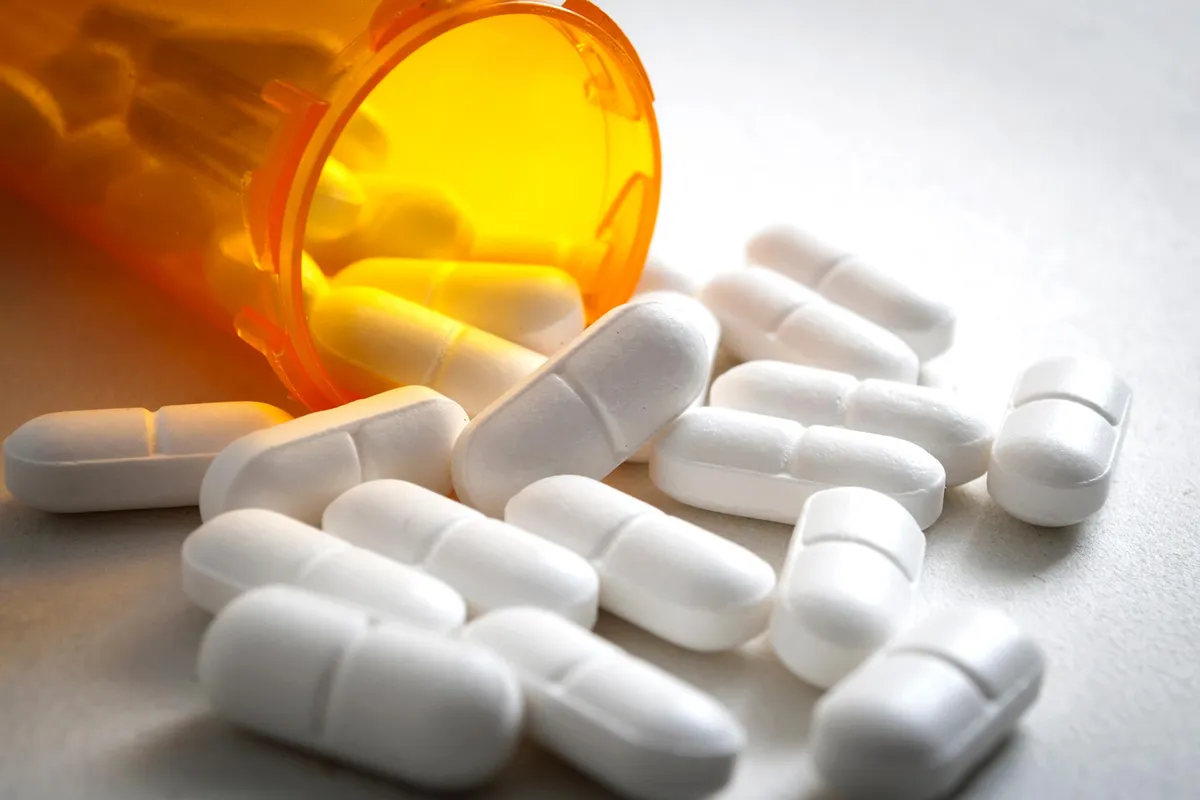
A landmark analysis of 59 systematic reviews has upended decades of prescribing assumptions: opioids don't actually work that well for most acute pain conditions, and often cause more harm than relief.
Researchers at the University of Sydney examined over 50 different acute pain scenarios—everything from dental surgery to kidney stones to post-operative recovery—comparing opioids (codeine, morphine, oxycodone, tramadol) against placebo. The result was stark. For the vast majority of conditions, opioids provided only modest pain relief lasting a few hours. For many common situations—kidney stone pain, pain after tonsil removal, certain limb surgeries—they performed no better than a sugar pill.
"Opioids are among the most commonly prescribed treatments for acute pain," said lead researcher Christina Abdel Shaheed from the University of Sydney's School of Public Health. "But our review found they did not provide large or lasting pain relief compared with placebo for the vast majority of acute pain conditions."
We're a new kind of news feed.
Regular news is designed to drain you. We're a non-profit built to restore you. Every story we publish is scored for impact, progress, and hope.
Start Your News DetoxThis matters because the assumption that opioids are the "go-to" painkiller has shaped how doctors prescribe and how patients expect to be treated. Someone arrives at an emergency room with acute musculoskeletal pain—a strained back, a twisted ankle—and the instinct is to reach for opioids. The evidence now suggests that instinct is wrong. For musculoskeletal pain, opioids were only slightly better than placebo in the first 48 hours, and they increased the risk of side effects like nausea and vomiting.
The study did identify where opioids do have measurable benefit: stomach pain, dental surgery, ear procedures, pain after childbirth, and a handful of other specific conditions. But these are the exceptions, not the rule. Even then, the relief is modest and short-lived.
What This Changes
The real insight here isn't just that opioids don't work as well as we thought. It's that we've been prescribing a drug with serious risks—tolerance, dependence, overdose, death—for conditions where safer alternatives might work just as well or better.
Dr. Stephanie Mathieson, a co-author, highlighted the hidden danger: dependence can develop within days of first use, even for acute pain. "It is important that patients are informed about the potential harms from opioids when prescribed them, and that doctors prescribe these medicines judiciously," she said. "Lowest effective dose for the smallest amount of time."
There's also a gap between what the research shows and what gets reported. Many clinical trials didn't consistently document side effects, meaning the actual risks of opioids are likely underestimated. The authors call for better harm reporting in future studies and a shift toward alternatives that are both safer and potentially more effective.
This research arrives as many countries are already moving away from opioid-first prescribing, but the momentum has been slow and uneven. Studies like this one provide the evidence that doctors and policymakers need to accelerate the change. The next step is making sure that when someone walks into a clinic with acute pain, the first question isn't "which opioid" but "what actually works for this specific condition."