Researchers at King's College London have created a new form of aluminum that's proving far more reactive than expected—and it could reshape how we make everything from plastics to pharmaceuticals.
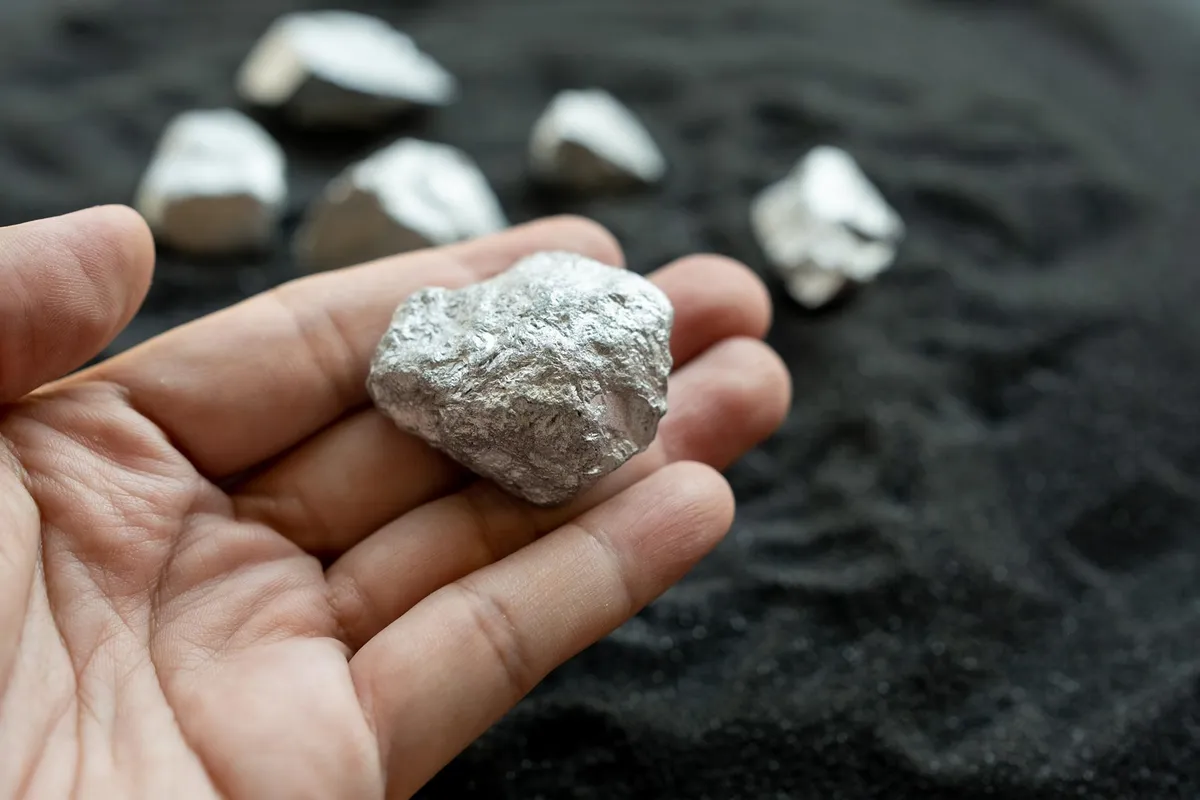
The discovery matters because modern industry runs on rare metals like platinum and palladium. Mining these materials is expensive, environmentally destructive, and often concentrated in politically unstable regions. Aluminum, by contrast, is one of the most abundant elements on Earth's crust and costs roughly 20,000 times less. If it can do the same chemical work, the implications ripple through manufacturing, sustainability, and supply chain security.
Dr. Clare Bakewell's team at King's College created something unexpected: a triangular cluster of three aluminum atoms linked together (called a cyclotrialumane). What makes this structure special isn't just that it exists—it's that it remains stable while remaining extraordinarily reactive. It can break some of the strongest chemical bonds and participate in reactions that previously required precious metals.
We're a new kind of news feed.
Regular news is designed to drain you. We're a non-profit built to restore you. Every story we publish is scored for impact, progress, and hope.
Start Your News DetoxWhat This Actually Does
The aluminum trimer can split hydrogen molecules and control how ethene (a basic building block in chemical manufacturing) chains together. These aren't trivial reactions. They're at the heart of how we produce plastics, fertilizers, and countless other materials. The fact that aluminum can now do this work opens a door that's been locked for decades.
But here's where it gets interesting: the team didn't just find a cheaper substitute for platinum. They discovered entirely new reaction pathways that platinum can't do. The aluminum structure creates five- and seven-membered rings with carbon atoms—molecular arrangements that haven't been observed before. This suggests the potential isn't just about replacing old chemistry with cheaper alternatives, but enabling chemistry that didn't exist before.
This matters because new reaction types can lead to new materials with entirely different properties. Stronger polymers, more efficient catalysts, lighter composites—the possibilities expand when you unlock a chemical pathway that was previously inaccessible.
The team is still in early exploration. They've demonstrated the concept works and published their findings in Nature Communications, but moving from laboratory discovery to industrial-scale production will take years. Scaling up chemical processes is notoriously difficult—what works in a flask doesn't automatically work in a factory reactor.
Still, the trajectory is clear. We're moving toward a chemistry system that's less dependent on geographically concentrated, environmentally destructive mining. That shift won't happen overnight, but it's already underway. The next phase is figuring out which industrial processes benefit most from this new aluminum chemistry, and how to manufacture it reliably at scale.