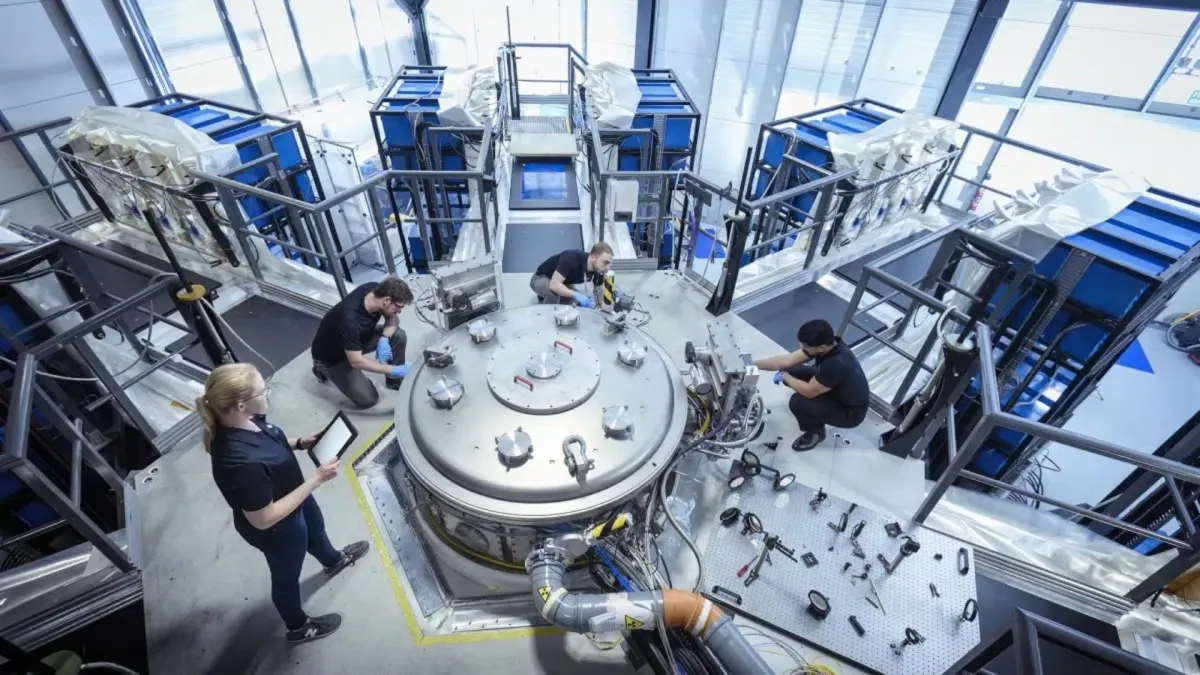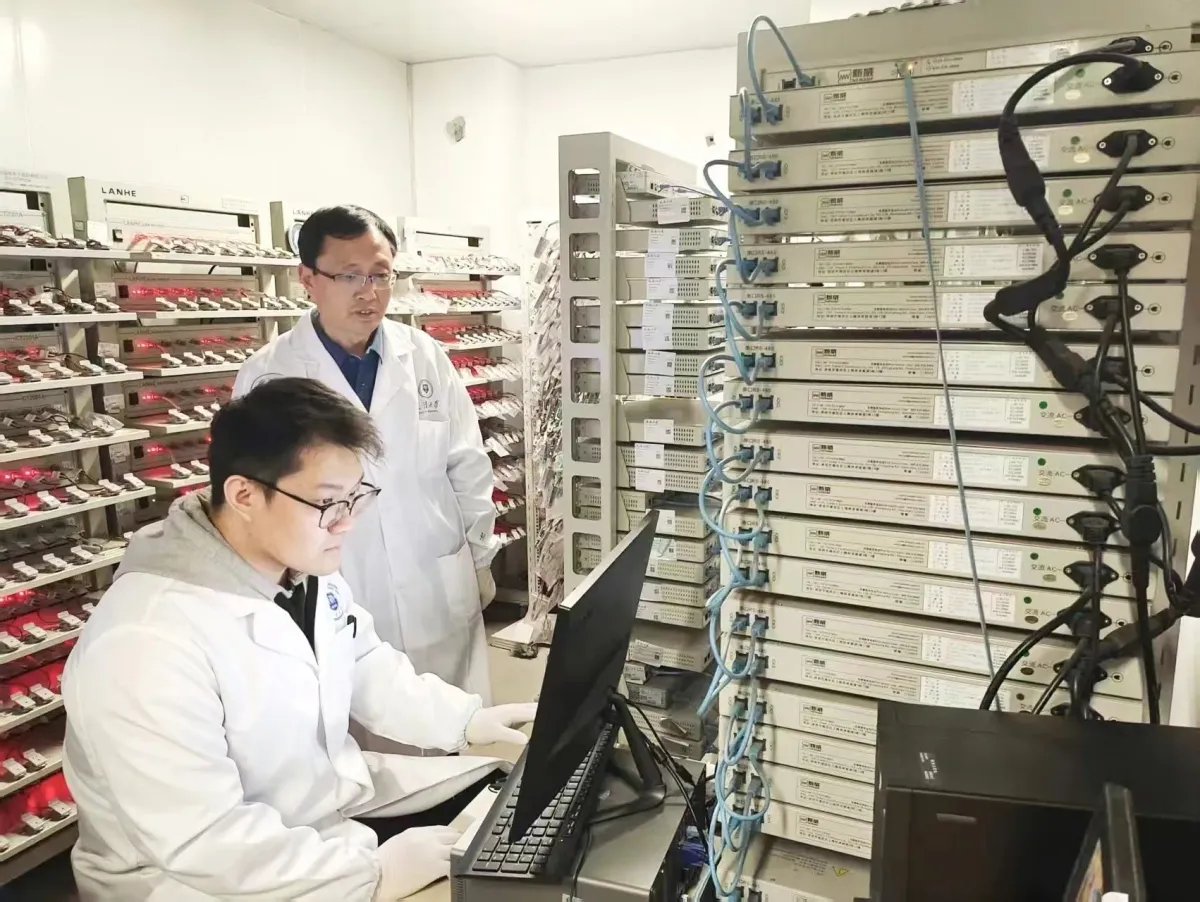
Researchers at Tianjin University and South China University of Technology have built a flexible battery that works reliably from -70°C to 80°C—a range that would destroy a conventional lithium battery. The breakthrough, published in Nature, uses a conductive organic polymer called Poly(benzofuran dione), or PBFDO, and it's designed to power everything from Arctic equipment to wearable sensors without the fire risk that comes with traditional lithium cells.
The core problem with organic batteries has always been straightforward: the molecules fall apart. In conventional designs, cathode materials dissolve into the electrolyte, gutting the battery's ability to hold a charge. The PBFDO polymer sidesteps this entirely by being naturally conductive—it doesn't need to borrow electrons from elsewhere. This structural stability lets it ferry ions like lithium more efficiently, delivering what organic batteries have chased for decades: real energy density.
The numbers tell the story. At 250 Wh/kg, this battery matches commercial EV cells (which sit between 240–300 Wh/kg) and crushes lithium iron phosphate batteries (160–200 Wh/kg). But energy density alone isn't the revolution here. The temperature range is. Standard lithium batteries start losing their grip below -20°C and degrade fast above 50°C. This organic cell keeps working in a 150-degree window. That matters for applications most people never think about—satellites, deep-sea equipment, desert mining operations, and the kind of wearable tech that needs to function when you're hiking in Patagonia or working in Dubai.
We're a new kind of news feed.
Regular news is designed to drain you. We're a non-profit built to restore you. Every story we publish is scored for impact, progress, and hope.
Start Your News DetoxThere's also the safety dimension. When you puncture, bend, or crush a lithium battery, the electrolyte ruptures and releases oxygen, triggering the runaway combustion that makes lithium fires so hard to extinguish. The PBFDO battery passed all those stress tests without ignition. For wearable devices worn against skin or embedded in flexible textiles, that's a meaningful shift in risk profile.
What this reveals about the broader battery landscape is worth noting: we've been optimizing lithium chemistry for 30 years, and we're bumping up against its physics. Organic chemistries are still early—we're essentially where lithium was in the 1980s. That means there's probably more room to run here than in incremental tweaks to cobalt cathodes.
The practical hurdles remain real. The team hasn't yet published real-world cycle life data—how many times can you charge and discharge before capacity drops. Manufacturing complexity and cost are still unknowns. If those problems solve cleanly, though, this could chip away at cobalt and nickel dependence, which matters both for supply chain fragility and for the mining communities where those metals come from.
The next phase is scaling. Lab breakthroughs are one thing; production at cost is another. But the fact that this works at all—that you can build a battery that's both safer and more temperature-tolerant than what we use today—suggests the research isn't theoretical. It's pointing toward something that might actually exist in a device near you.