Molly Cuddihy was 15 when she was diagnosed with metastatic Ewing sarcoma, a rare bone cancer. Two years into treatment at Queen Elizabeth University Hospital in Glasgow, she developed a serious infection—one that would reshape the rest of her life, and eventually end it.
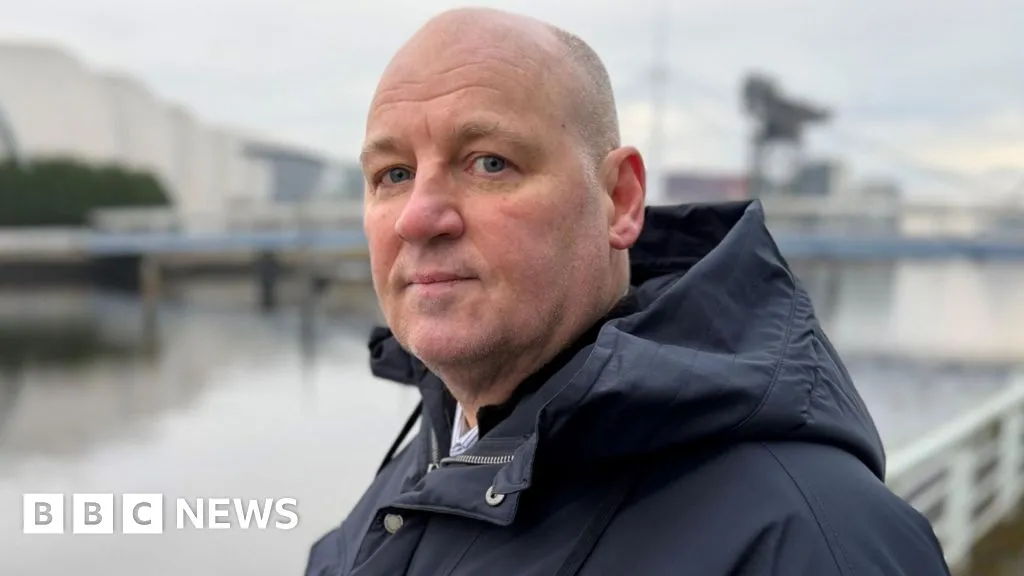
She was 23 when she died in August 2023. By then, the infection had already cost her a functioning liver and a kidney. Her father, John Cuddihy, has spent years trying to get someone to admit what he believed happened: that the hospital's water system—the source of the bacteria that infected his daughter—was a known problem that nobody fixed.
This week, after years of denial, NHS Greater Glasgow and Clyde finally said it. In closing submissions to the Scottish Hospitals Inquiry, the health board admitted "on the balance of probabilities" that bacteria in the hospital's water caused some of the infections that led to patient deaths.
We're a new kind of news feed.
Regular news is designed to drain you. We're a non-profit built to restore you. Every story we publish is scored for impact, progress, and hope.
Start Your News DetoxThe Cost of Delayed Accountability
Molly wasn't alone. In 2017, a 10-year-old named Milly Main died after contracting stenotrophomonas bacteria while being treated for leukemia at the same hospital. Her parents also fought for answers. John Cuddihy says concerns about the water supply were first raised in 2018—the same year his daughter got sick—yet the health board consistently denied any connection for years.
The Scottish Hospitals Inquiry has become a reckoning. Opposition politicians are calling it "one of the worst failures in modern Scottish public life." Scottish Labour leader Anas Sarwar said families have had to "fight for the truth" about what happened to their children. Scottish Conservative health spokesman Dr. Sandesh Gulhane said there's evidence of "a cover-up at the very top."
For Molly's father, the admission comes too late to save his daughter. But he's clear about what needs to change: annual, validated checks to hospital ventilation and water systems. He hopes Molly's testimony and courage will ensure no other young person has to endure what she did.
The inquiry is ongoing. For the families involved, it's a slow path toward the accountability that should have happened years ago.
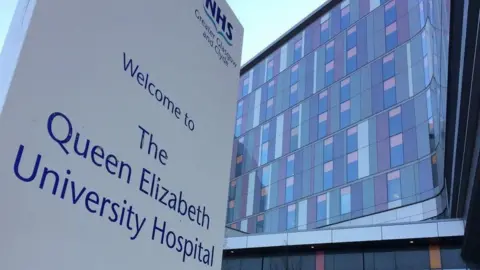
Molly was treated at the Queen Elizabeth University Hospital in Glasgow and the adjoining Royal Children's Hospital