A small but striking study from the University at Buffalo suggests that cannabis-infused beverages might help some people drink significantly less alcohol — a finding that challenges how we typically think about harm reduction.
The research is straightforward in its premise: alcohol carries well-documented health risks, linked to at least seven forms of cancer and nearly 200 diseases. Cannabis, by comparison, generally carries fewer risks, particularly when weighed against heavy drinking. So what if people could simply swap one for the other.
The study surveyed 438 adults who had used cannabis in the previous year. Among those who drank cannabis beverages — typically one per occasion — the results were substantial. On average, they reported consuming 3.35 alcoholic drinks per week after switching to cannabis drinks, down from 7.02 before. Nearly two-thirds said they'd either reduced or stopped drinking alcohol altogether. Only 3.3% reported drinking more.
We're a new kind of news feed.
Regular news is designed to drain you. We're a non-profit built to restore you. Every story we publish is scored for impact, progress, and hope.
Start Your News Detox"In the first study of its kind, we introduce the concept of having cannabis as harm reduction for alcohol," says Jessica Kruger, the study's lead author. "Cannabis has been proposed as harm reduction for other drugs such as opioids but not talked about as often for legal substances such as alcohol."
Why the beverage format might matter most
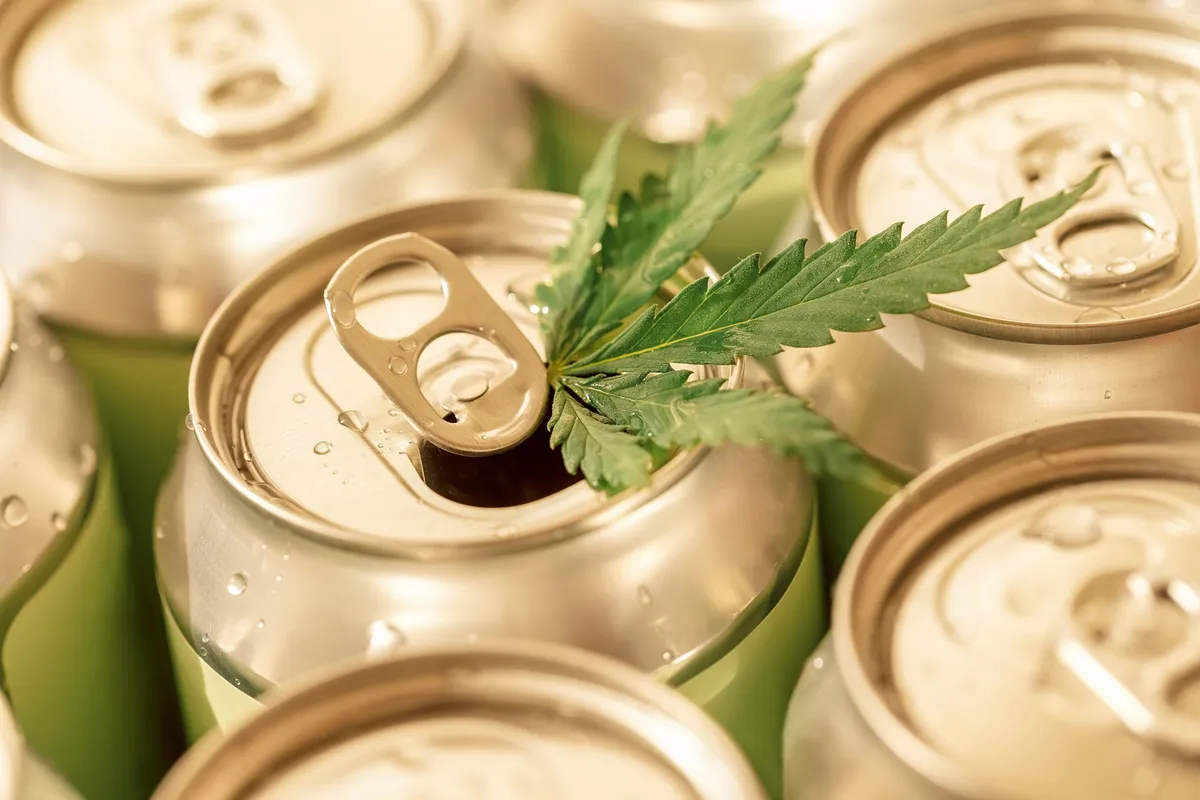
What's particularly interesting is that cannabis beverage users reported larger reductions in alcohol consumption than people using other cannabis products. The researchers think context matters. A cannabis drink in a can looks and feels like a beer or hard seltzer — same hand position, same social setting, same ritual. At a party or bar, you still have something to hold and sip. You're just choosing a different substance.
This substitution effect is gaining real-world traction. Cannabis beverages are entering the mainstream faster than many expected. Market research firm Euromonitor estimates the category could exceed $4 billion in sales by 2028. In New York State, the first legal cannabis beverage hit shelves in January 2023, just a month after licensed sales began. About 82% of cannabis beverage users in the study bought their products from authorized dispensaries.
It's worth noting the small print: nearly half of survey respondents weren't even sure how much CBD was in the drinks they consumed. Most were using products with 10 mg or less. The research team acknowledges this is early work — they're planning longer-term studies to track whether the effect holds over time.
Jessica Kruger is also realistic about adoption. "I think we have a long way to go before this is seen as mainstream," she says. That's partly because the idea of cannabis as a public health tool — rather than a substance to be avoided — still feels new to many people.
But the data suggests something worth paying attention to: for people already interested in drinking less, cannabis beverages might offer a genuinely useful option. The research team plans to dig deeper into how this plays out over months and years.