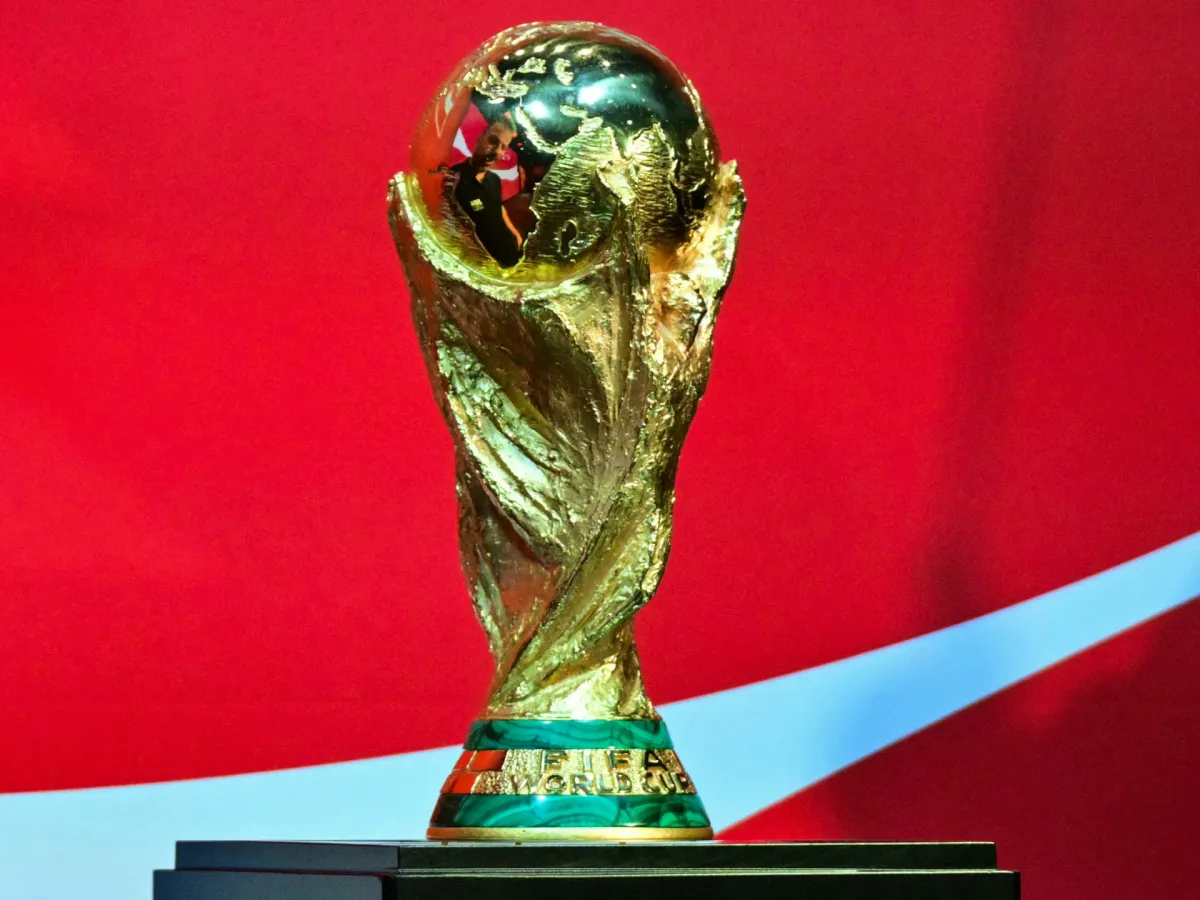
Cape Verde, a small island nation with just over 500,000 people, is making history. The country's national soccer team, known as the Blue Sharks, has qualified for the World Cup for the first time. This makes them one of the smallest nations by population to ever reach the tournament.
A Nation's Dream Takes Flight
The team's qualification came after a 3-0 win over Eswatini last year. This victory sparked huge celebrations across Cape Verde. Streets filled with cheering fans, and parties lasted late into the night. This success has changed how Cape Verdeans view soccer. What was once just a game is now a national dream.
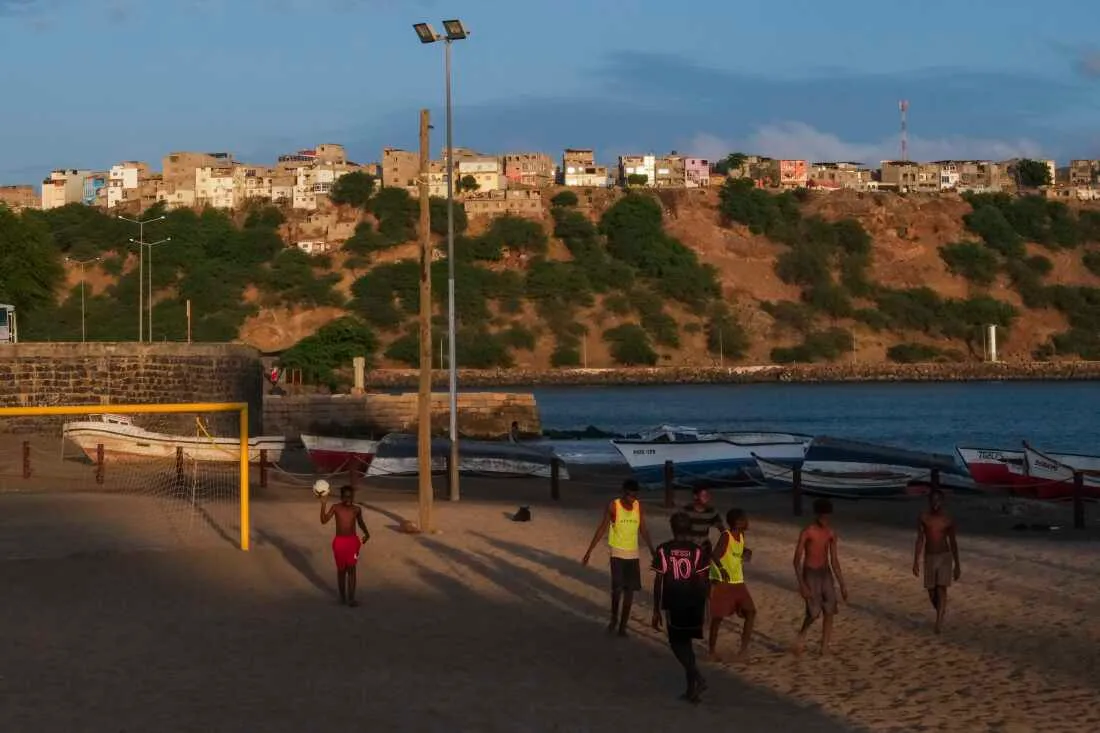
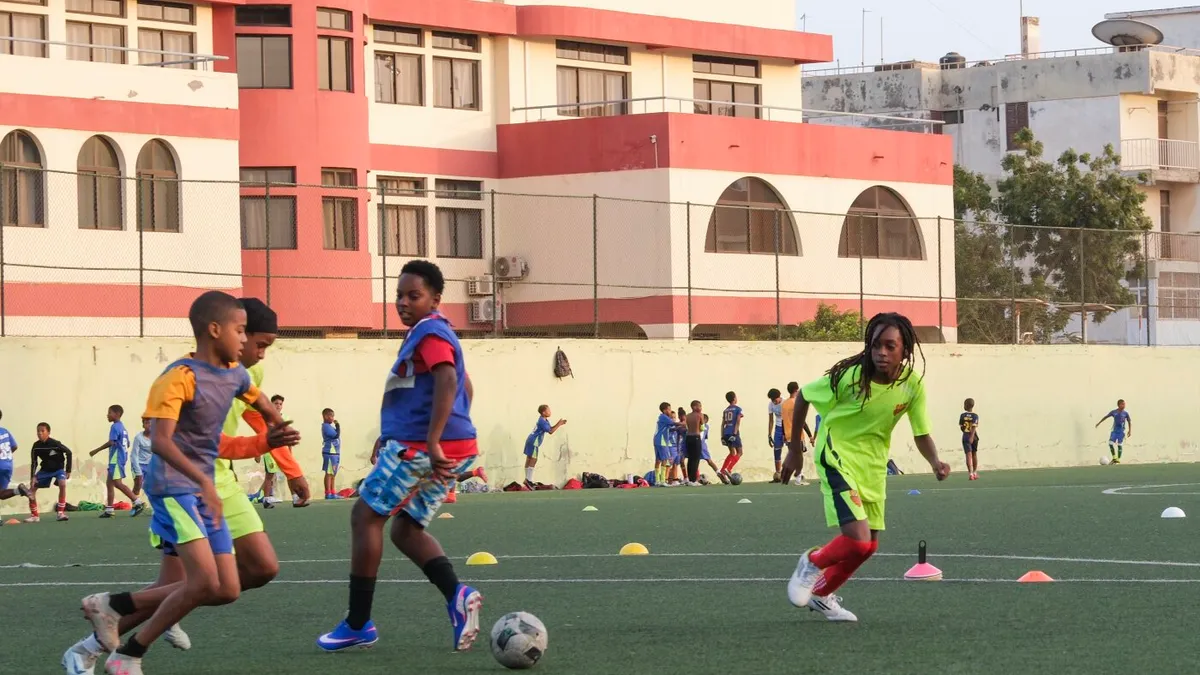
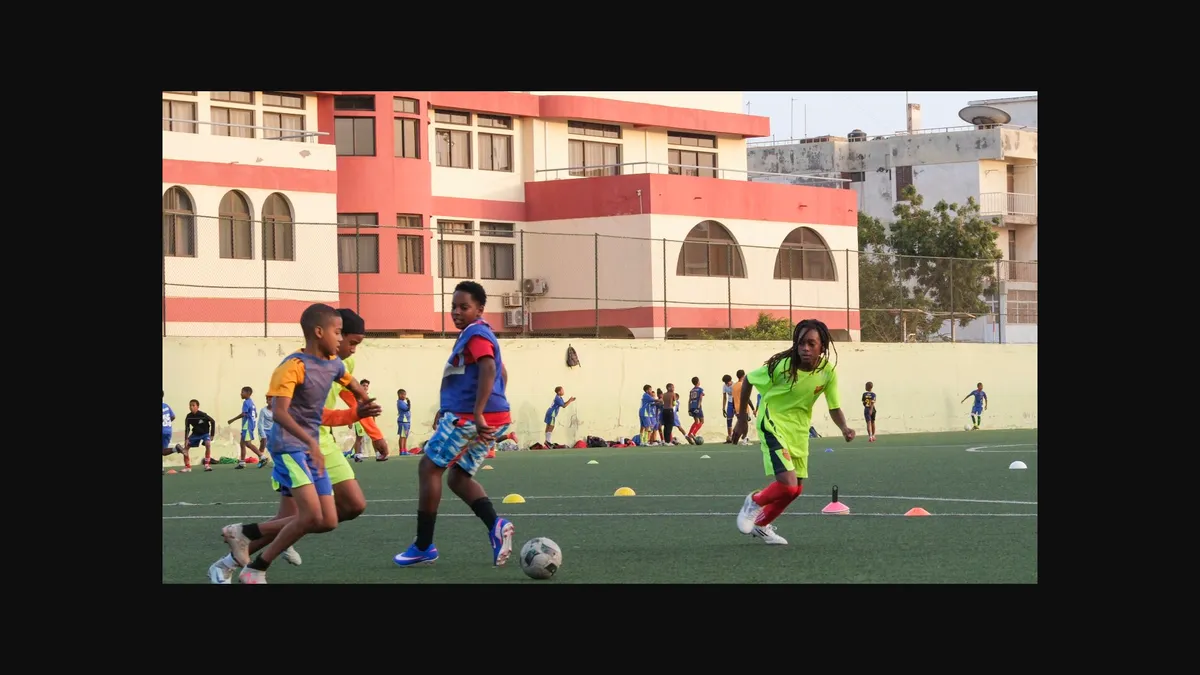
Pedro Bettencourt, who leads EPIF, a top youth soccer academy, has seen this shift firsthand. He says the World Cup qualification has greatly increased the hopes of young players. "The expectation of our young players is very high," Bettencourt noted. "With our qualification, the dreams of the young are very high."
We're a new kind of news feed.
Regular news is designed to drain you. We're a non-profit built to restore you. Every story we publish is scored for impact, progress, and hope.
Start Your News DetoxFourteen-year-old Yuri Marley Fernandes, a forward at EPIF, embodies this dream. He confidently states, "It's my dream. Football is beautiful and I can play. I can win a World Cup. I play very well. I'm a forward—very fast—and my goals are beautiful."
Global Talent, Local Pride
Cape Verde has a large diaspora, with more of its people living abroad than in the country itself. The national team reflects this, with players coming from Europe, Saudi Arabia, and the United States. One of the team's key players is defender Ianique dos Santos Tavares, known as Stopira.
Stopira's mother, Maria da Graça Santos, shared her pride. "I feel thrilled for us, Cape Verde's football team, and I am so delighted by my son's journey," she said. "Everyone in Cape Verde is excited that we are going to the World Cup. Now the world knows about Cape Verde, even though we are a small country."
Stopira himself expressed the deep meaning of this achievement. "This means everything to us. I'm glad because I am part of this," he said. "I've spent my entire career with this dream...realizing not only my dream, but the dreams of the whole country."
Investing in the Future
The national football federation has played a big role in this success. Its president, Mário Semedo, explained that FIFA funding has helped improve training facilities and pitches. Semedo believes soccer offers more than just sport; it creates opportunities and national pride.
"Football matters a lot for young people," Semedo noted. "It can help steer them away from negative influences, and in some cases even prevent juvenile crime."
The federation expects to earn about $10.5 million for reaching the World Cup group stage. This money will be used to boost youth development and expand scouting for new talent, especially among the diaspora.
Cape Verde faces a tough challenge in their first World Cup match on June 15 in Atlanta, where they will play Spain, one of the tournament favorites. Despite the challenge, the next generation of players continues to train, driven by a World Cup dream that now feels within reach.