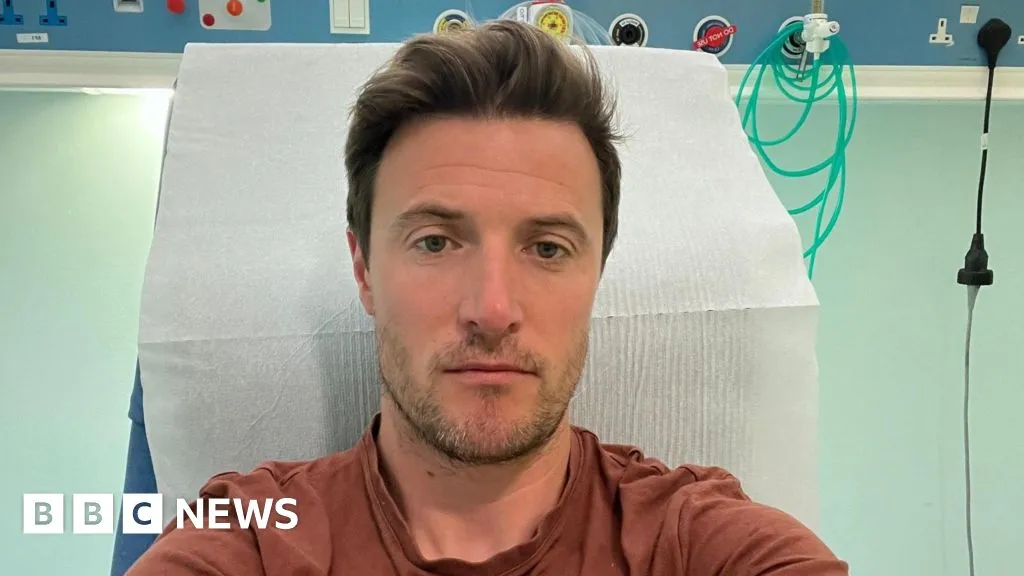
Anthony Perriam felt a small lump beneath his jaw and assumed it was nothing serious. Within weeks, he learned it was cancer — and that the virus behind it was something he'd never thought could affect him.
Perriam, a father of two, had been diagnosed with HPV-related head and neck cancer. He'd heard of HPV before, but only in connection with cervical cancer in women. The idea that the same virus could silently develop into cancer in his own body hadn't crossed his mind.
"I'd only ever heard of HPV in relation to cervical cancer," he says. "I had no idea it could cause cancers like this, especially in men."
We're a new kind of news feed.
Regular news is designed to drain you. We're a non-profit built to restore you. Every story we publish is scored for impact, progress, and hope.
Start Your News DetoxWhat happened next
The treatment was brutal. Surgeons removed 44 lymph nodes from his neck. He underwent radiation and chemotherapy. He lost 22 kilograms and spent stretches in a wheelchair, his body depleted by the fight. "If I'd left it much later, I could have lost my tongue or even died," he reflects now.
But Perriam survived, and he's using that survival to push back against silence. Because here's what most men don't know: HPV-related head and neck cancers are becoming more common, yet they barely register in public health conversations. The virus itself is ordinary — most sexually active people will encounter it at some point, and their immune systems will clear it naturally. But in some cases, it persists and transforms into cancer.
Women have long been the focus of HPV awareness, largely because of the cervical cancer link and decades of successful screening programs. Men, by contrast, have been largely invisible in the conversation. They don't get routine cervical screening. They're not used to hearing their cancer risk tied to a sexually transmitted virus. And when a lump appears, they might dismiss it as Perriam almost did.
Sandeep Berry, a consultant head and neck surgeon, points to the solution that's already available: the HPV vaccine. The NHS recommends it for children aged 12 and 13, and it's been proven safe and effective across years of global use. "It helps boys and girls stay healthy, prevents HPV-related cancer and strengthens public health overall," Berry says.
The vaccine works best before exposure to the virus, which is why the focus on young people matters. But Perriam's message is equally important for adults: if you notice an unusual lump, persistent hoarseness, or anything else that doesn't feel right, get it checked. Early detection genuinely changes outcomes.
Perriam is now cancer-free, but he carries the weight of what could have been. By speaking openly about his diagnosis, he's doing something the health system hasn't quite managed yet — making men understand that HPV awareness isn't just for women, and that a small lump can mean everything.