Mirka Serrato couldn't let go of Chicago. She'd lived in a Gold Coast apartment for three years, surrounded by art and community, but family obligations pulled her to Dallas. Leaving the space empty felt wrong. So she decided to fill it with art instead.
Serrato, who studied at the Sotheby's Institute, connected with Jonny Tanna, founder of London's Harlesden High Street gallery, at an Art Basel party. The conversation was simple: "When I met Jonny, I was like, 'Now I can pack up my stuff.'" They're launching Neighbors, a new satellite fair to Expo Chicago, debuting April 8–12 in Serrato's former home.
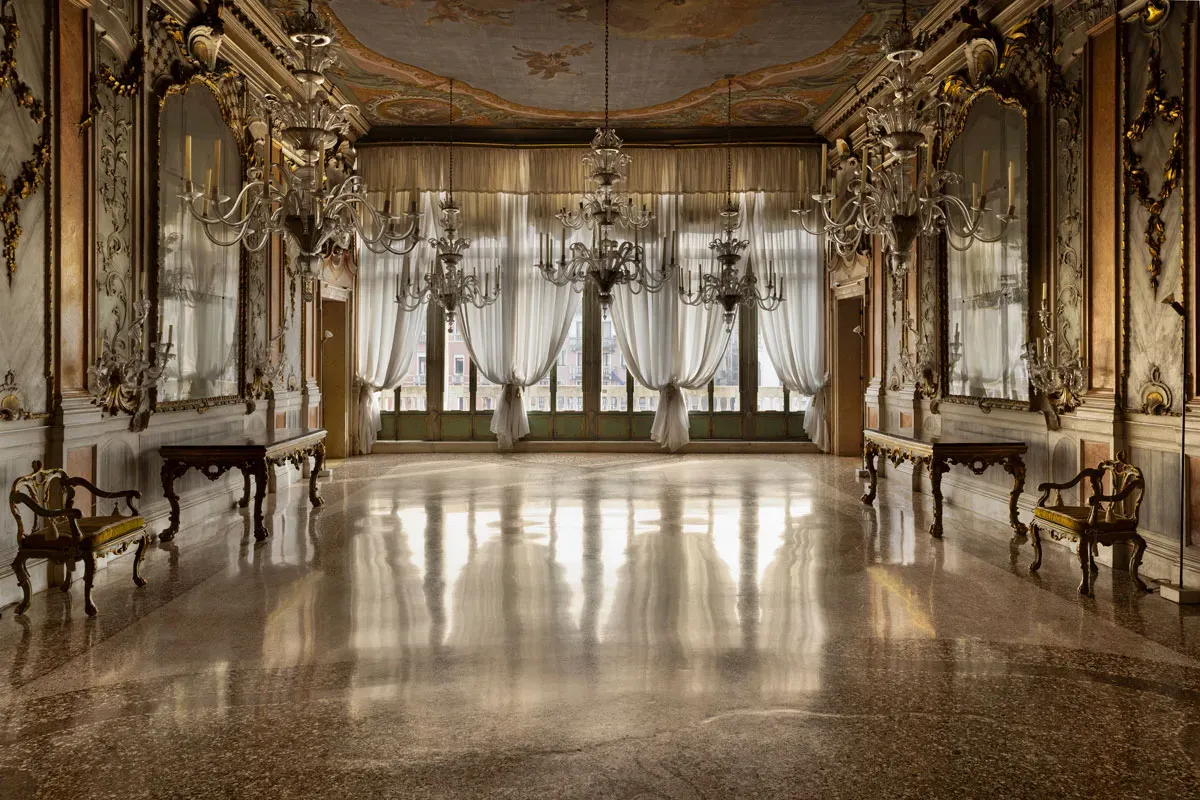
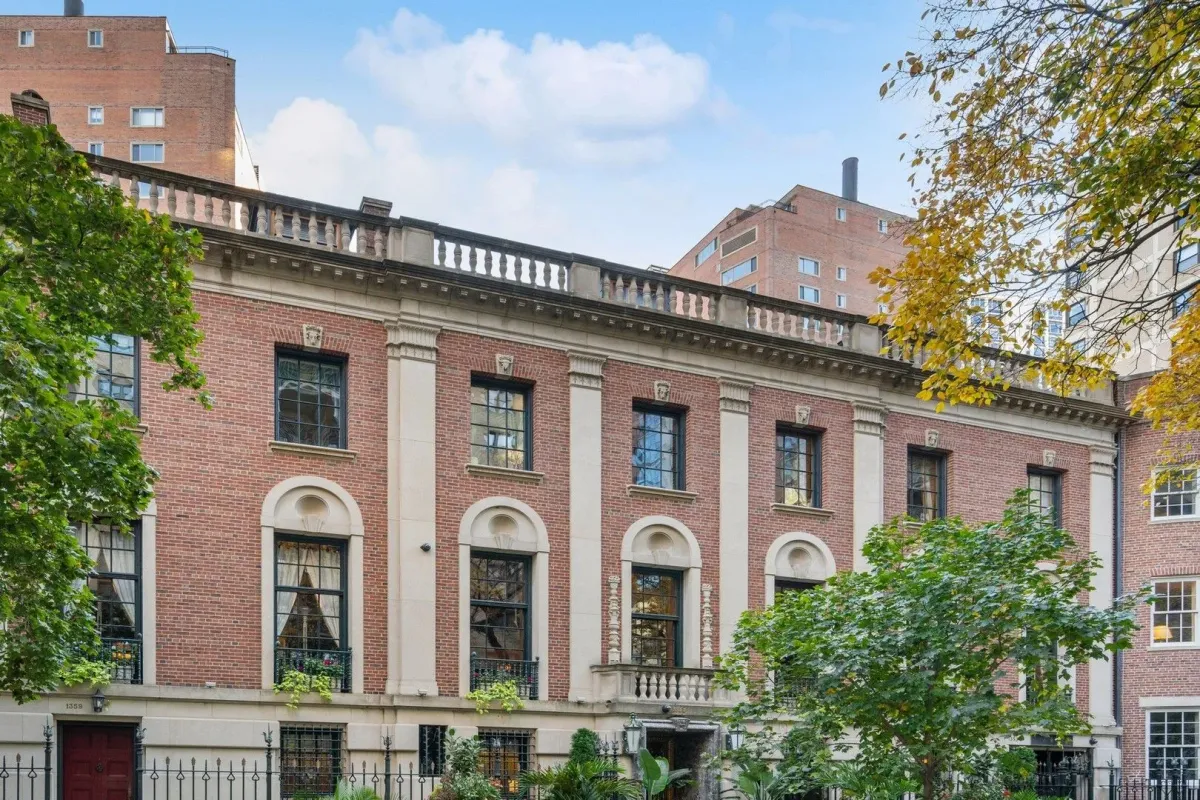
The space is deliberately intimate. Four rooms, 1,200 square feet, seven minutes from Navy Pier where Expo Chicago typically happens. No booth walls. No white cubes. Just the apartment itself—a neoclassical residence that once belonged to the Goodman family, major arts patrons in the city.
We're a new kind of news feed.
Regular news is designed to drain you. We're a non-profit built to restore you. Every story we publish is scored for impact, progress, and hope.
Start Your News Detox"Art used to live in domestic spaces before it was institutionalized," Serrato said. "I hope the space will hold the galleries the way the space held me."
Tanna brings serious fair experience. He founded Minor Attractions, a Frieze London satellite, in 2023, and has participated in over 50 art fairs across Europe and North America. He's curated sections at major events and clearly thinks differently about how galleries should be presented. For Neighbors, he wanted to recreate the vibe of Paris Internationale around 2015—less commercial, more conceptual, with a residential warmth.
The fair will feature just six galleries total: Tanna's Harlesden High Street, plus Gathering (London), Hans Goodrich (Chicago), Post Times (New York), Tureen (Dallas), and Weatherproof (Chicago). That's deliberate. Tanna and Serrato have vetted each gallery carefully, looking at their past programming to ensure the work fits the space and the vision.
"We've allowed galleries to eliminate as much risk as possible," Serrato explained, thinking through the logistics of shipping, lodging, and setup costs that eat into smaller dealers' margins. They kept participation fees reasonable for galleries taking a chance on something brand new.
Tanna was blunt about the approach: "Most fairs these days are not as curated as they used to be." He and Serrato applied the same vetting rigor as TEFAF, the legendary Maastricht fair known for its selection process. "It's not going to be just random stuff and people selling their wares."
Post Times founder Broc Blegen signed up after meeting Tanna at Post-Fair in Los Angeles last month. "He was really generous," Blegen said. "We connected as working-class kids who have to hustle their way around this art world." More importantly: "I trust Jonny, and he seems to have a vision for what he thinks is needed in this new art world we're coming into, where everything is collapsing and being rebuilt."
Chicago has tried satellite fairs before. NADA launched the Chicago Invitational in 2019. There's Barely Fair, running since 2019, which showcases miniature artworks in a tiny mockup gallery space. Whether Neighbors can sustain itself beyond April remains an open question. Tanna isn't overthinking it: "We're taking it one step at a time. First, we try to build a strong lineup. A strong lineup attracts an audience."
The real test comes in April, when collectors and galleries walk into a Gold Coast apartment and see whether art feels different when it lives in a home instead of a convention center.