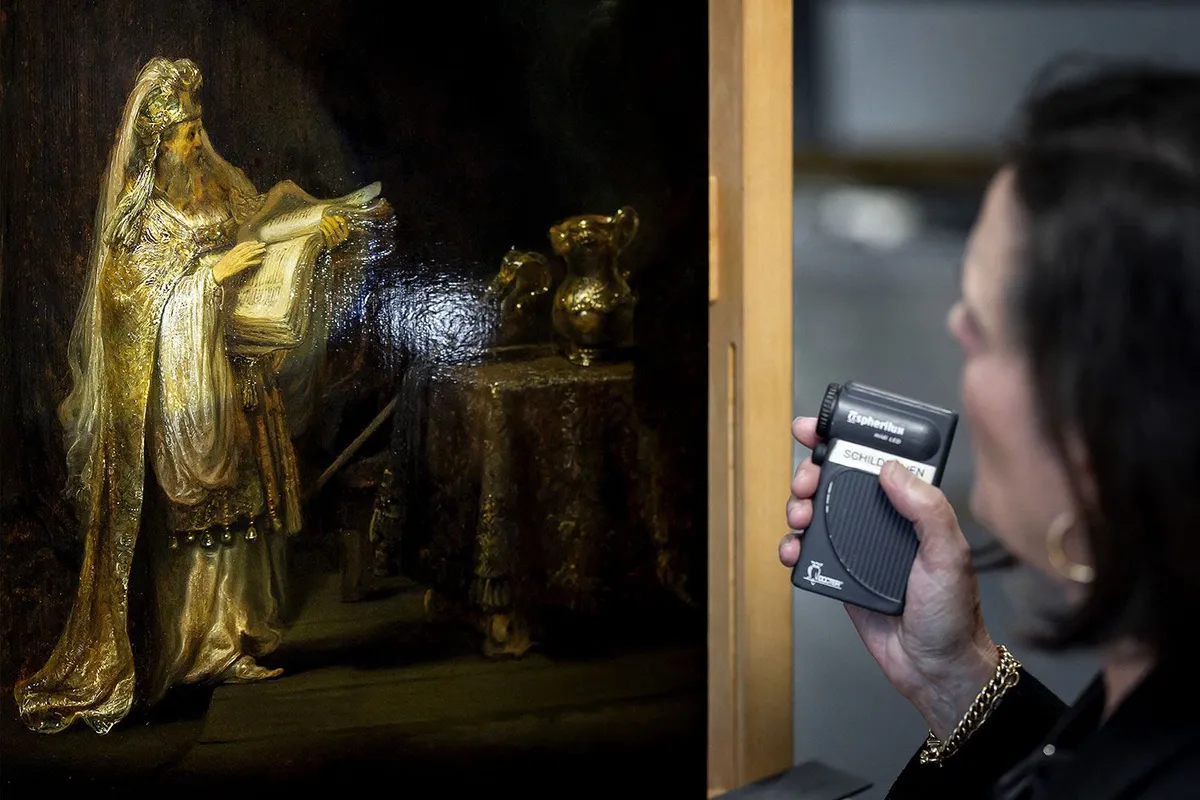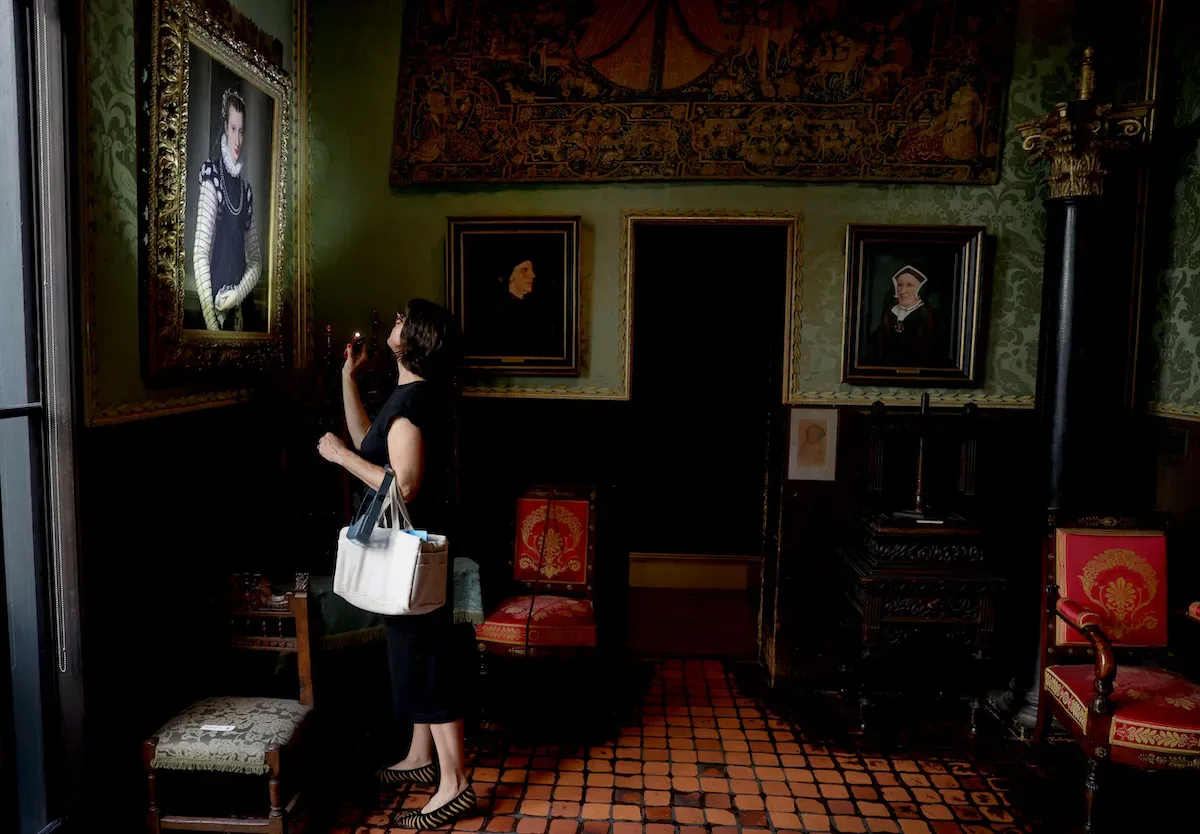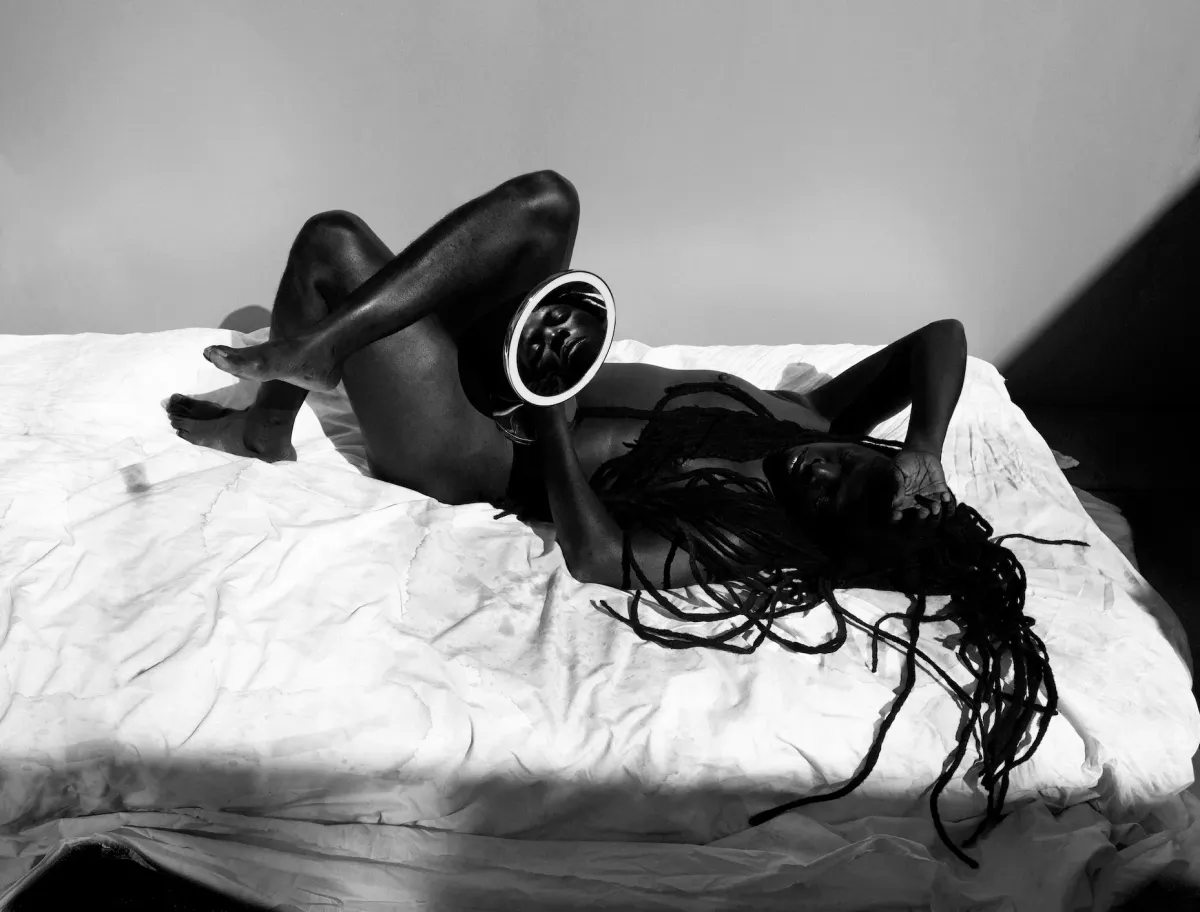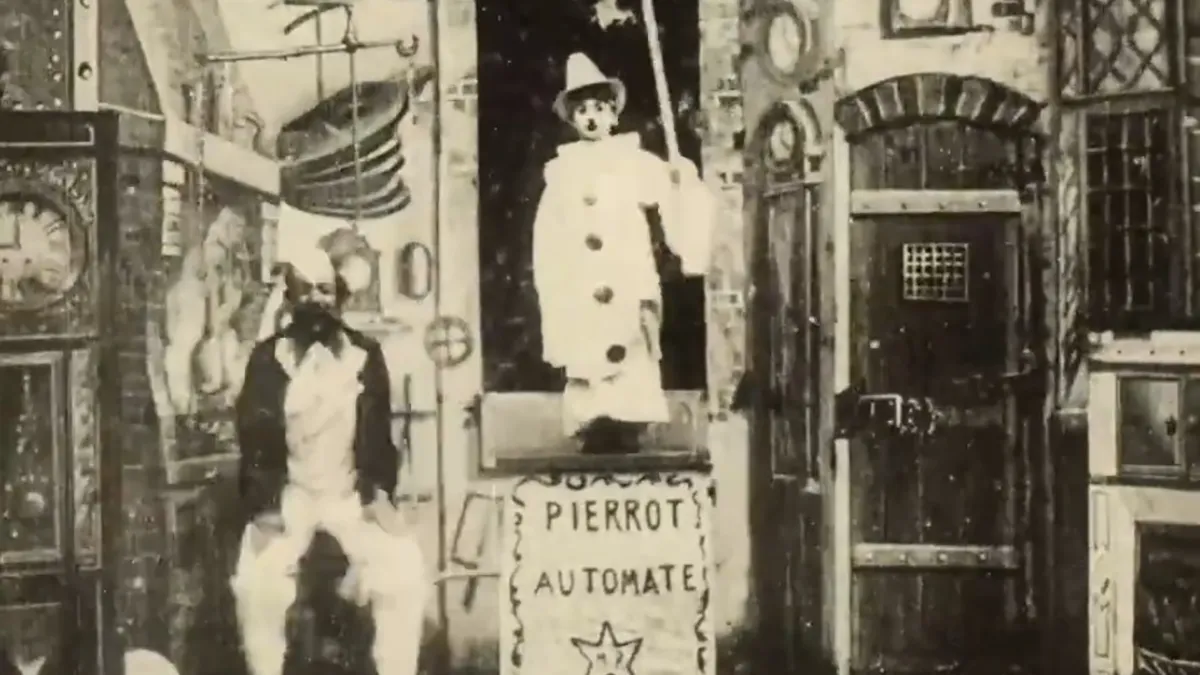
Ásta Fanney Sigurðardóttir's exhibition opens in May at a former shipyard in Venice—and it's built on a simple, strange idea: hope is infinite, invisible, and lives in your pocket.
The Icelandic artist's Pocket Universe unfolds across indoor and outdoor spaces at Docks Cantieri Cucchini, a decommissioned shipyard tucked between Venice's most prestigious art venues. The show runs May 9 through November 22, 2026, weaving together performance, sound, film, sculpture, and installation into something that resists easy categorization. This is intentional. Sigurðardóttir's practice has always moved fluidly between mediums, layering different stories and timelines rather than forcing them into a single narrative.
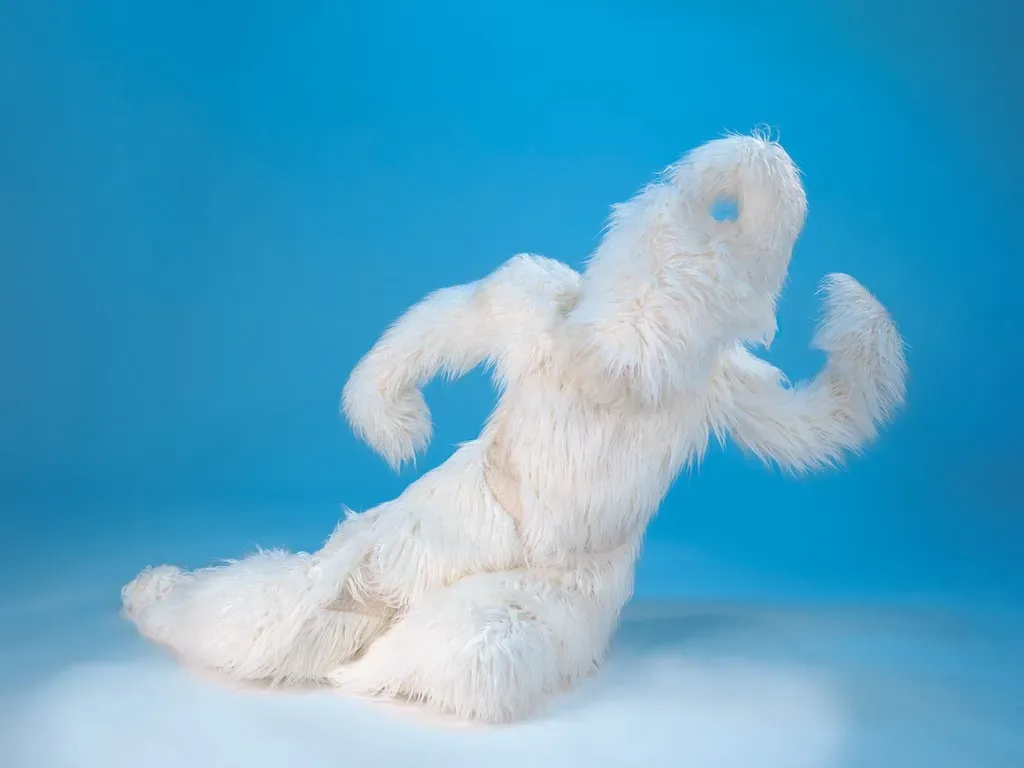
At the heart sits a moving-image work following a character named Creature Zero on a quest to find the "original rock"—imagined as the first stone in earth's creation. Filmed at sites steeped in mystical and spiritual traditions across multiple cultures, the work explores how belief and imagination help people survive uncertainty. Throughout the pavilion, visual elements recur: orbs, charms, talismans. Live performances are scheduled at different moments during the Biennale's run, so visitors might encounter something different depending on when they arrive.
We're a new kind of news feed.
Regular news is designed to drain you. We're a non-profit built to restore you. Every story we publish is scored for impact, progress, and hope.
Start Your News DetoxThe Language of Hope
The exhibition emerged from Sigurðardóttir's meditation on hope itself—what it is, when we need it, whether we ever really have it. "Hope is such a peculiar word," she reflected. "It only exists when you need it and even then you are not sure if you have it or not."
The title carries a linguistic resonance particular to Icelandic. The word for a vase—the object bound to Pandora's myth—mirrors the word for a pocket. That linguistic accident sparked Sigurðardóttir's imagination of "an endless invisible pocket with hope that never ever runs out." It's a poetic reframing: instead of hope trapped in a box, hope as something you carry with you always, inexhaustible.
She views the exhibition as a space freed from predetermined meaning. "I think the exhibition is a place free from expectations," she said. "Wherever the exhibition takes the viewer is the way it should go." This reflects a broader shift in contemporary art away from the artist as sole author toward the exhibition as a collaborative space where viewers complete the meaning.
Curator Margrét Áskelsdóttir faced a particular challenge: how to hold Sigurðardóttir's expansive vision without letting it fragment into incoherence. "With Ásta, everything feels possible," Áskelsdóttir said. "There is a constant balancing act: how do we hold space for boundless creativity without letting it dissolve into chaos?"
She described the curatorial role as one of support within institutional constraints—a delicate negotiation. "Imagine a stairway to heaven made of porcelain dishes," she offered. "The artist needs to be able to walk all the way into the sky and our responsibility is to make sure the dishes do not break beneath her." This metaphor captures something real about contemporary curating: the work isn't to control the artist's vision but to create the conditions where it can exist without breaking under its own weight.
Iceland has maintained a national pavilion at Venice since 1984, with recent presentations by Hildigunnur Birgisdóttir (2024), Sigurður Guðjónsson (2022), and Shoplifter (2019). The Icelandic Art Center, which has guided the country's Biennale participation since 2007, commissioned this exhibition. That continuity matters—it signals sustained institutional commitment to artists, not just one-off gestures.
What's notable here is the exhibition's refusal to offer easy answers. In a moment when hope often feels scarce, Sigurðardóttir isn't promising to restore it. Instead, she's suggesting it was never gone—just invisible, infinite, waiting in the pockets we carry.