Zanele Muholi has won the Hasselblad Award, photography's most prestigious prize, for work that refuses to let queer Black South African lives disappear from history. The award comes with SEK 2,000,000 (roughly $218,000) and a solo exhibition at the Hasselblad Center in Gothenburg opening October 10, 2026.
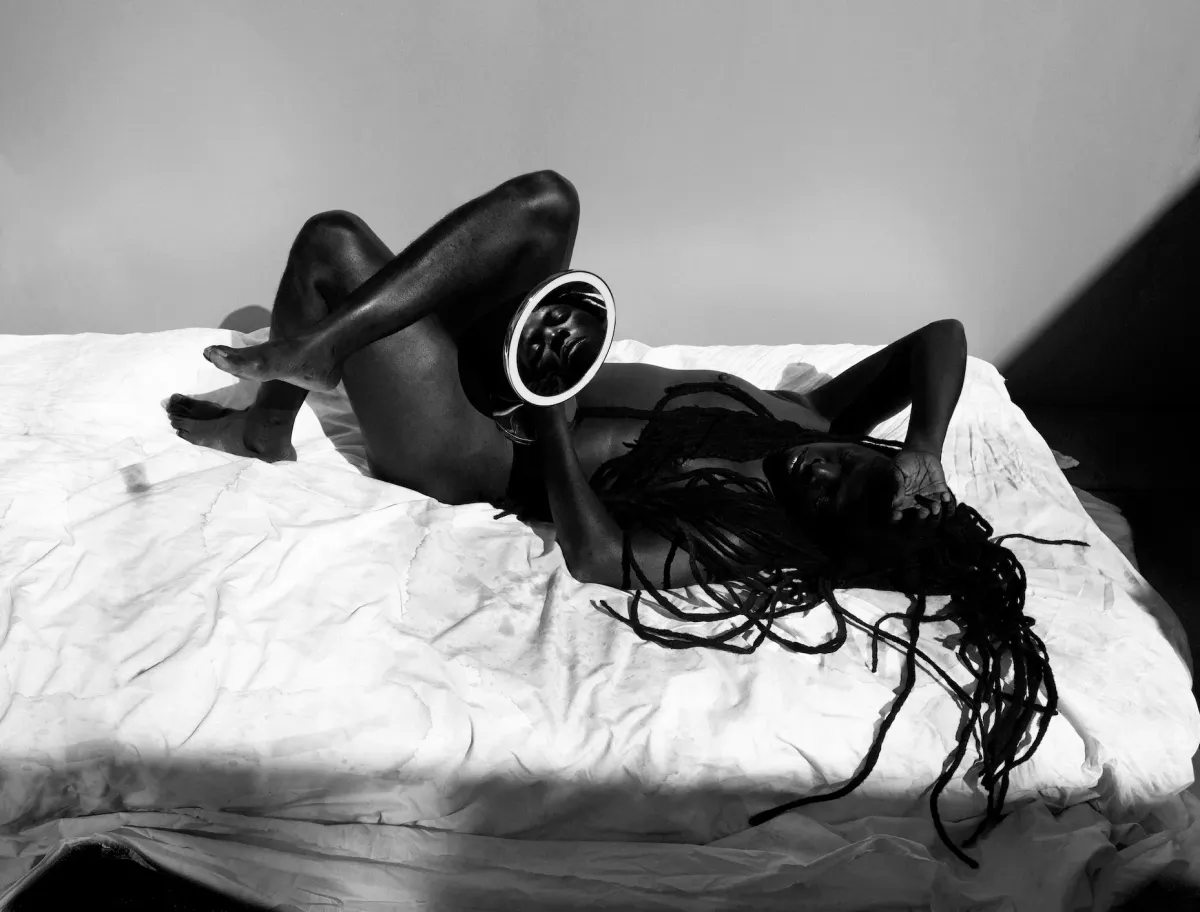
Muholi calls themselves a "visual activist"—a precise description. Born in 1972 under apartheid, they've spent decades making photographs that do something specific: they make people look back. The subjects are rendered in grayscale and dramatic light, their gazes meeting the viewer's directly. They appear monumental, almost sculptural. The Hasselblad Foundation's citation notes the work "holds both strength and vulnerability," challenging "prejudice and discrimination while creating alternative visual histories."
But the real power is in what Muholi articulated in a 2018 interview with ARTnews. "They are history makers," Muholi said of their collaborators—activists, drag performers, young artists—people typically pushed to society's edges. "I'm not just taking photos for fine arts. I'm producing content that speaks to South African visual history and to a group of people who, simply because of how they express themselves, won't be counted in history."
We're a new kind of news feed.
Regular news is designed to drain you. We're a non-profit built to restore you. Every story we publish is scored for impact, progress, and hope.
Start Your News DetoxThis gets at something often missed in art prize announcements. Muholi isn't being recognized for aesthetic innovation alone (though the work is formally compelling). They're being recognized for doing something that governments and institutions actively work against: making visible the people deemed invisible. In South Africa, where LGBTQIA+ people still face violence and legal discrimination, this is not a neutral act.
In a statement, Muholi reflected on what the award means: "This prize is not mine alone. I carry it with the many faces, names, and histories that have trusted me with their stories. From Umlazi to every space where Black LGBTQIA+ people continue to fight to exist freely, this recognition affirms that our lives are worthy of being seen—not as statistics, not as shadows, but as full human beings."
That framing—the insistence that visibility itself is an act of resistance—has shaped global queer visual culture. Muholi's work has circulated through museums and galleries worldwide, but the Hasselblad recognition marks something specific: a major institution saying that documenting marginalized lives is not supplementary to photography's mission. It's central to it. The exhibition runs through April 24, 2027, with an artist talk at Moderna Museet in Stockholm on October 13.