Two years ago, a couple walked into the Rijksmuseum in Amsterdam with a painting they thought might be by someone else entirely. They were joking about it: the signature said Rembrandt in big letters, but experts had decided in 1960 that it couldn't possibly be real. This week, the museum announced they were wrong. The painting is an authentic Rembrandt.
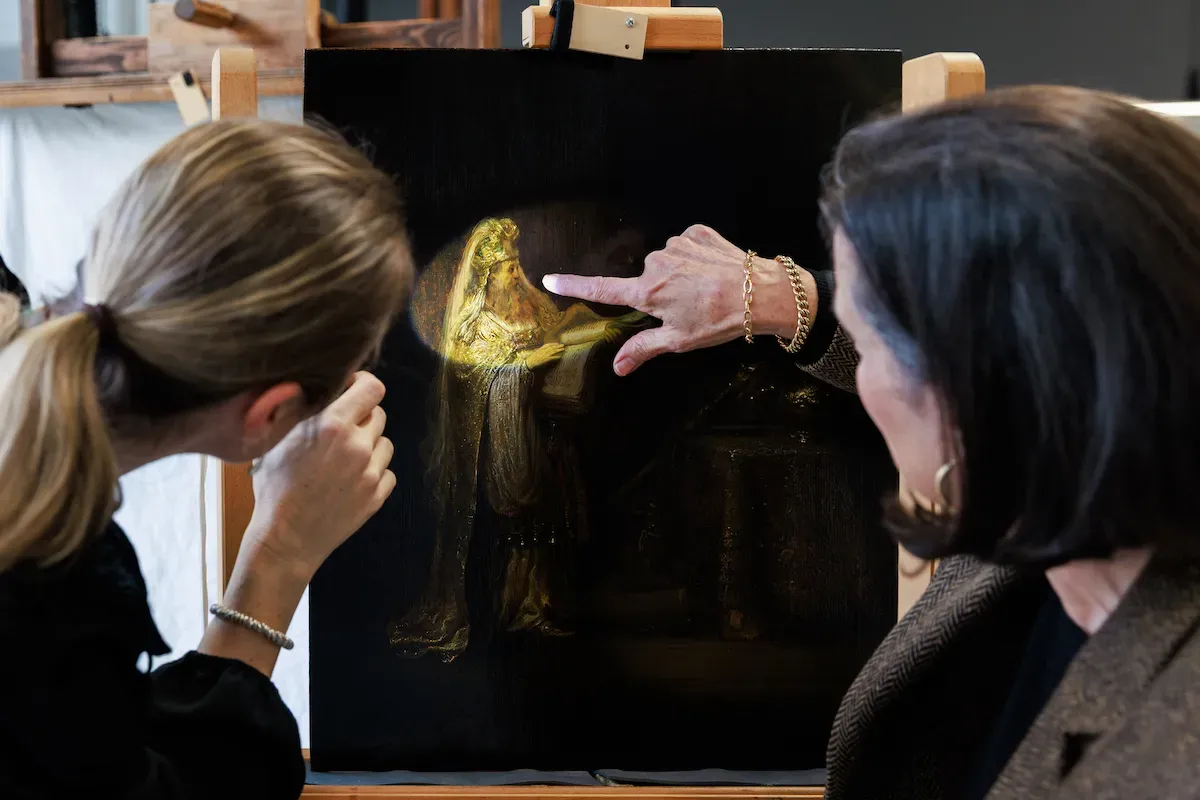
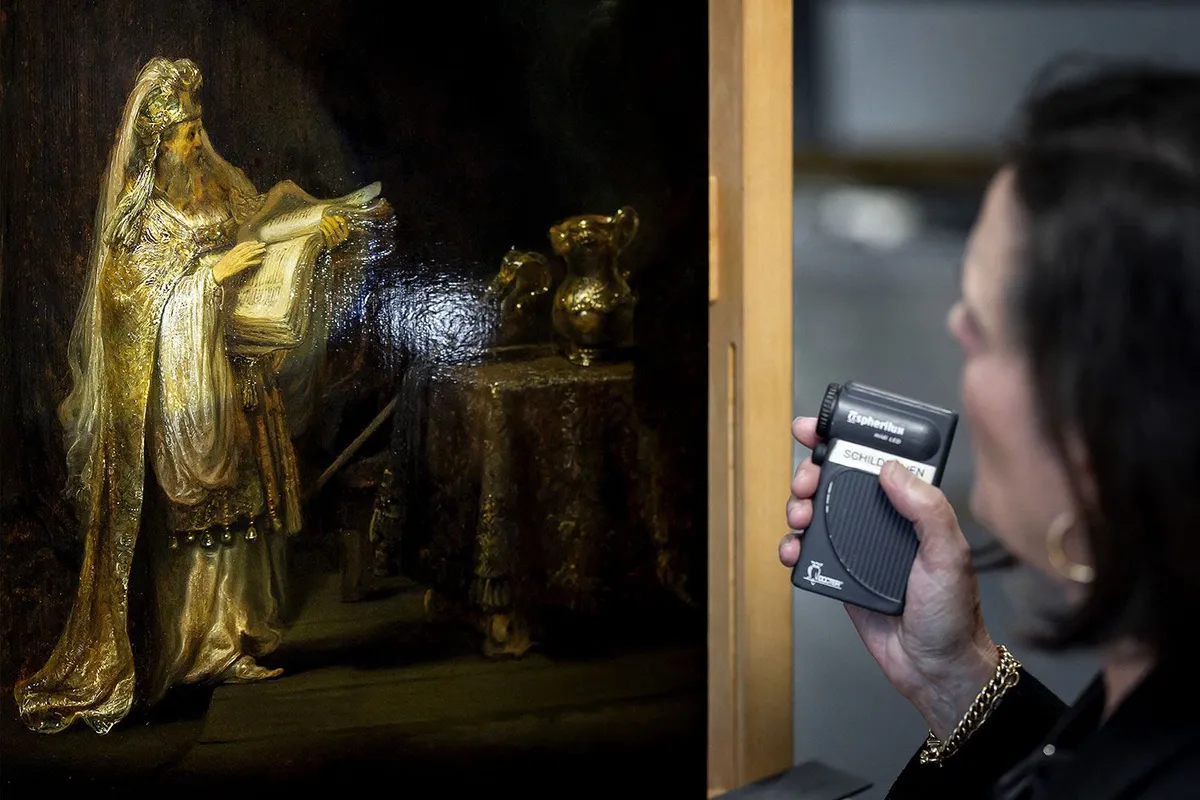
Vision of Zacharias in the Temple depicts a biblical moment—the Archangel Gabriel appearing to announce the coming birth of John the Baptist. The light streams from the upper right corner while Zacharias stares upward in surprise. It's a small work, roughly 23 by 19 inches, painted in 1633 when Rembrandt was 27 and newly settled in Amsterdam.
What makes this discovery remarkable isn't just that an overlooked masterpiece was hiding in a private collection. It's that the painting was dismissed based on photographs. For more than 60 years, art historians cited it as workshop material—the work of one of Rembrandt's lesser-known associates—without ever examining the actual canvas. Jonathan Bikker, the Rijksmuseum's curator of 17th-century Dutch painting, noted that "no art historian had laid eyes on the picture since 1961."
We're a new kind of news feed.
Regular news is designed to drain you. We're a non-profit built to restore you. Every story we publish is scored for impact, progress, and hope.
Start Your News DetoxWhen the current owners brought it in hoping to identify the real artist, they started a two-year investigation that relied on methods the 1960s experts never used. Researchers used dendrochronology to confirm the wooden panel dated to between 1625 and 1640, matching the painting's signature. They scanned the work with macro-XRF technology, which revealed compositional changes—alterations Rembrandt was known to make as he worked. But the real evidence came from something simpler: looking closely at the brushstrokes, the layering of paint, the way light was built up across the surface. These details matched other Rembrandt paintings no one had ever questioned.
The Power of Looking Closely
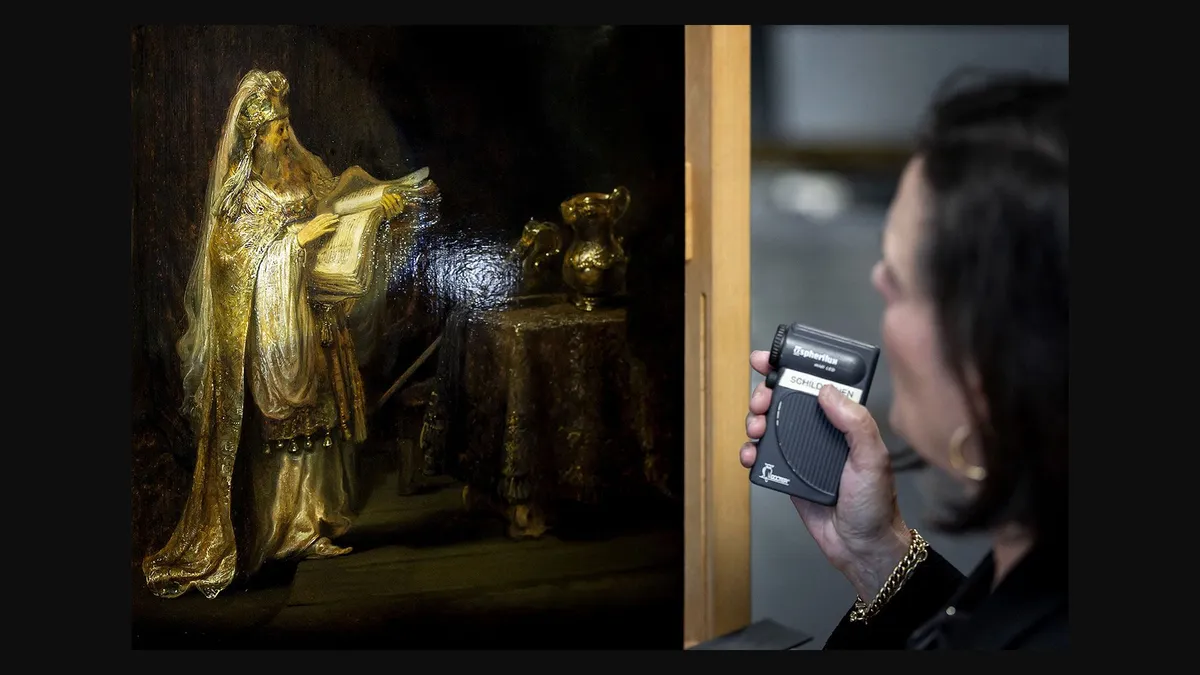
Bikker gets roughly two emails a week from people convinced they own a Rembrandt. Almost all of them are wrong. But when he saw the photographs of Vision of Zacharias, something felt different. He asked to see it in person, and that choice—to actually look at the painting rather than rely on reproductions—changed everything.
This story reveals something often invisible in art history: how much hinges on whether someone bothers to show up. The 1960s dismissal wasn't necessarily wrong at the time; it reflected the knowledge available then. But it calcified into certainty, repeated by later scholars who also worked from photographs. No one questioned whether the original judgment should be revisited.
Rembrandt himself was prolific and sometimes rushed through commissions to maximize profit. But Taco Dibbits, the museum's director, said this painting feels different. "Sometimes with Rembrandt's portraits, you feel that he's producing in quantity," Dibbits told BBC News. "But with this painting, you really feel that he dedicated his soul to it."
The painting went on display at the Rijksmuseum on March 4, the first time the public has seen it in more than 60 years. The owners have loaned it to the museum indefinitely. Art historians are already examining what this rediscovery means for understanding Rembrandt's early career and the works that have been misattributed over the decades. If one painting was hiding in plain sight, how many others might be waiting for someone to simply look.