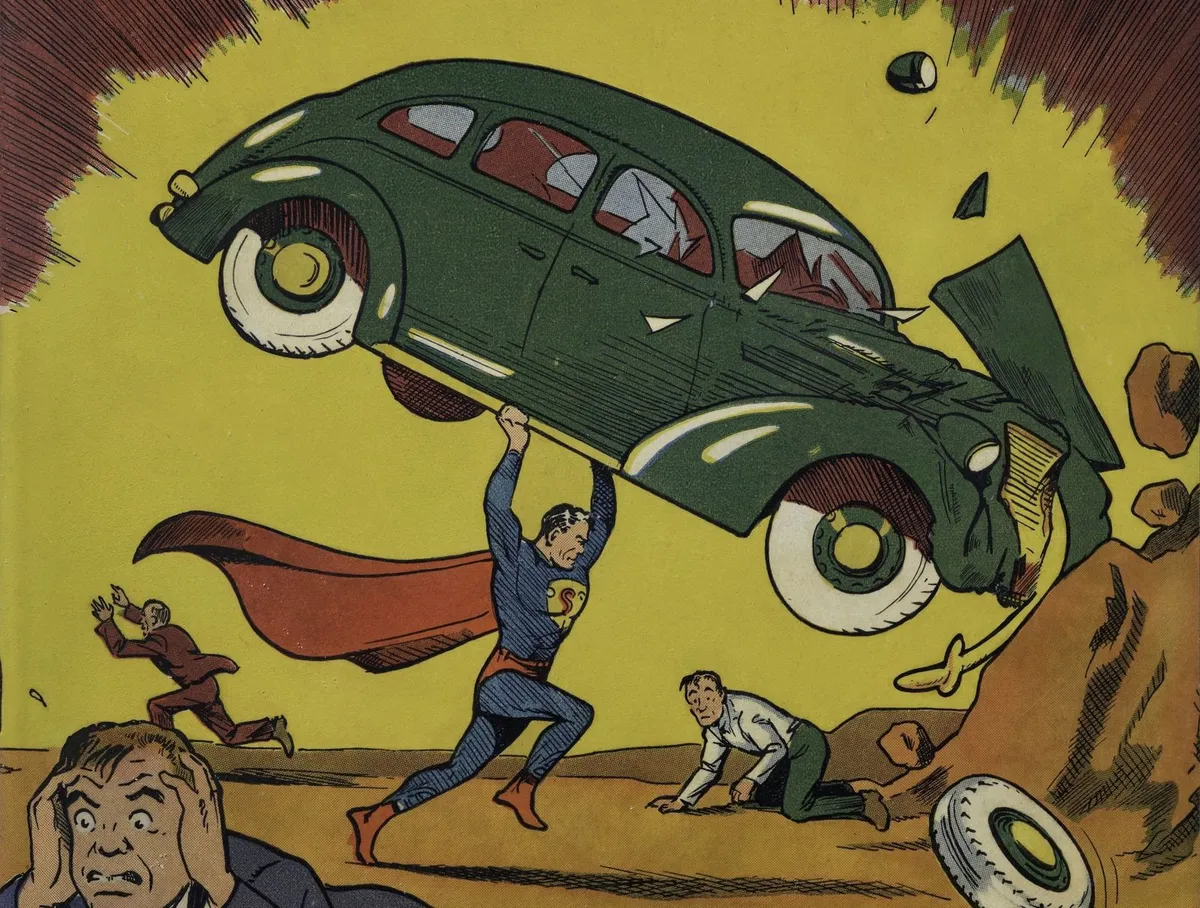
Two pages that changed everything are now preserved in one of America's most important institutions. The Smithsonian's National Museum of American History has acquired Action Comics No. 1 (1938) and Captain America Comics No. 1 (1940)—the debut issues that introduced Superman and Captain America to the world. The gift came from Brandon Beck, co-founder of video game developer Riot Games, and marks what curators are calling one of the most significant comic book acquisitions in decades.
These weren't just entertainment—they were mirrors held up to America's anxieties. Superman arrived in 1938, during the Depression, created by Jerry Siegel and Joe Shuster. A refugee from a dying world who embodied hope for justice when hope felt scarce. Two years later, as global war loomed, Captain America debuted with Jack Kirby and Joe Simon's unforgettable image: a young soldier delivering a punch straight to Hitler's face, months before the U.S. officially entered World War II. The cover was propaganda and art simultaneously—a statement about what America wanted to believe about itself.
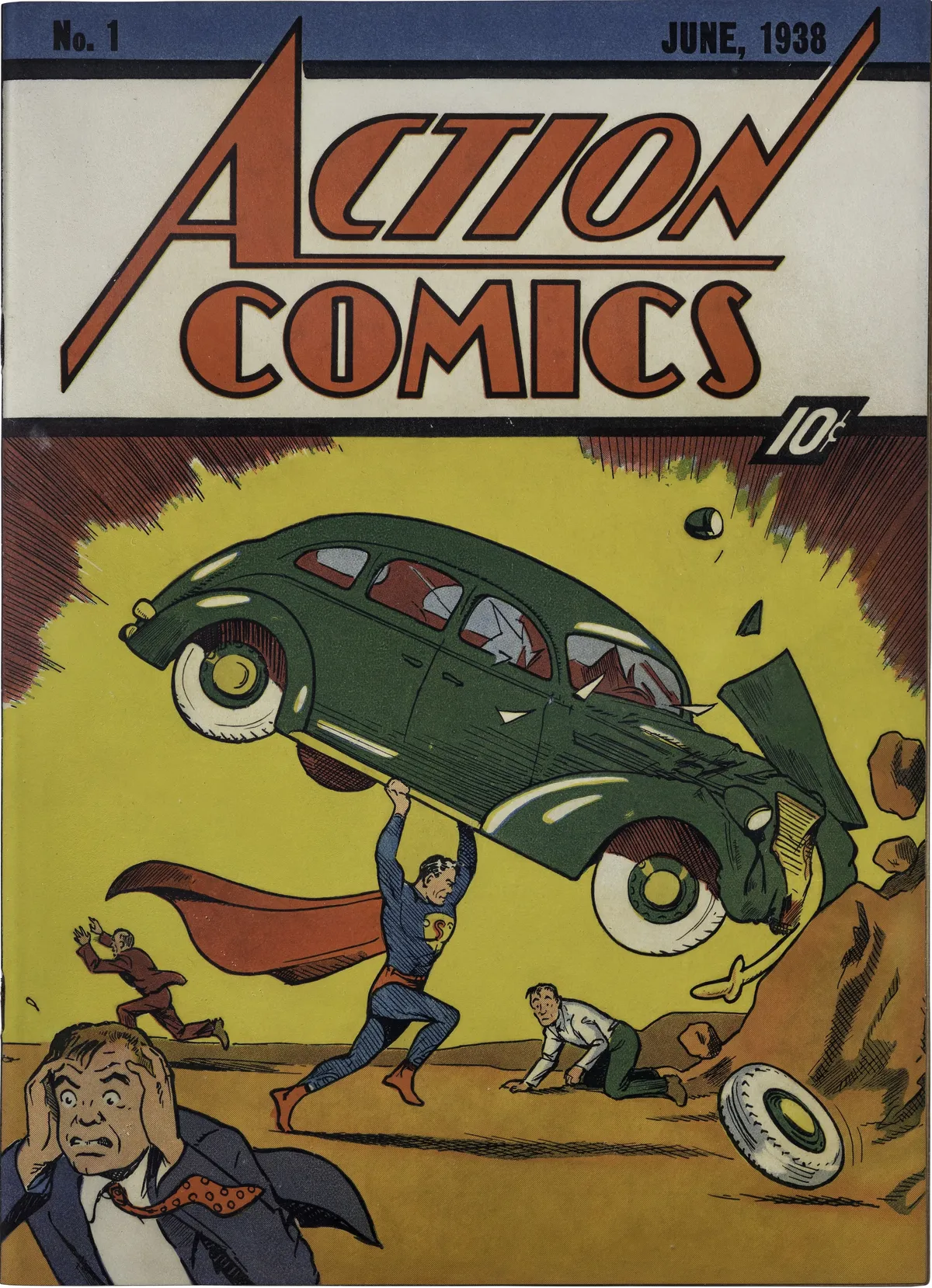
What's striking is who created these characters. Siegel, Shuster, Kirby, and Simon were all first-generation Jewish Americans—children of immigrants, anxious to prove themselves in a country that hadn't always welcomed their parents. Their superheroes weren't accidents of commerce. They were deliberate acts of cultural imagination, stories about outsiders becoming symbols of national strength.
We're a new kind of news feed.
Regular news is designed to drain you. We're a non-profit built to restore you. Every story we publish is scored for impact, progress, and hope.
Start Your News Detox
For decades, comic books were treated as disposable—cheap newsstand pulp, not worthy of serious preservation. Museums collected film reels and television sets, but comics remained beneath the radar. The Smithsonian's decision to acquire these issues signals a shift in how America understands its own history. These pages shaped how generations thought about heroism, sacrifice, and what it means to stand up for something larger than yourself. That matters historically, not just commercially.
The market has caught up to that truth. A copy of Action Comics No. 1 sold privately for $15 million in January. Captain America Comics No. 1 fetched over $3 million at auction four years ago. These are among the most valuable printed materials in existence—not because they're rare in a precious-metals sense, but because they're irreplaceable documents of American culture at pivotal moments.
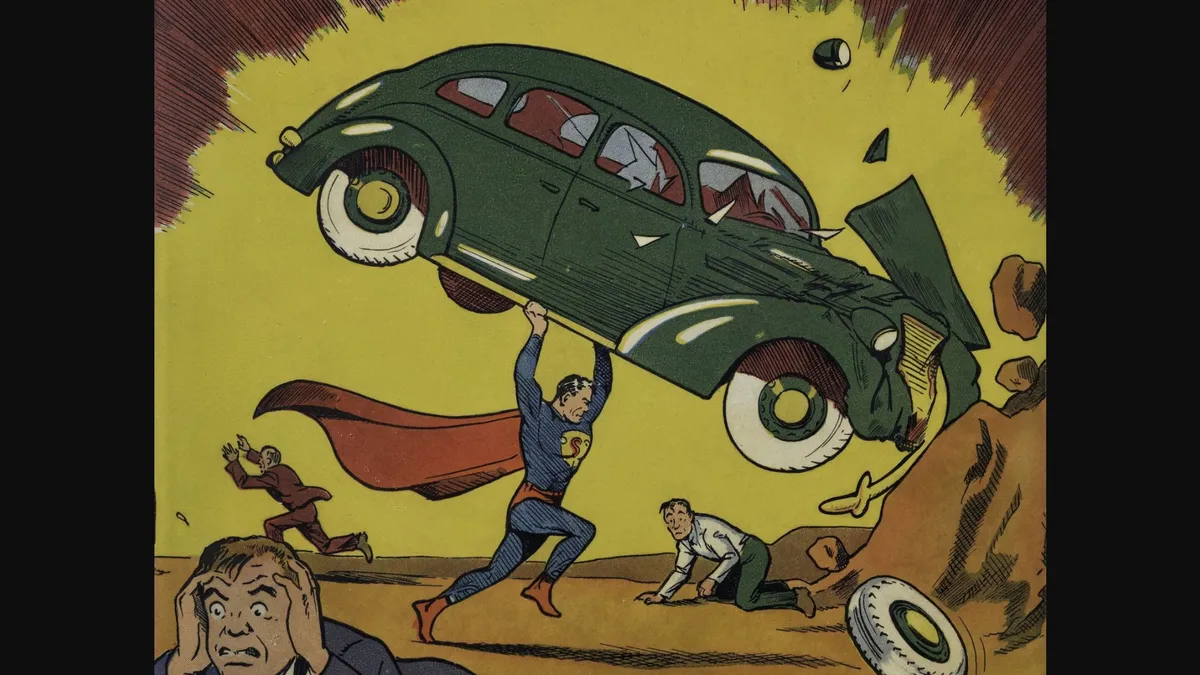
"The comics provide incredible insight into the era from which they come," says Eric Jentsch, the museum's curator of popular culture and sports history. The Jewish creators' anxieties about identity and belonging. The wartime need for symbols of moral clarity. The Depression-era hunger for someone—something—that could save us. All of it lives in those pages.
Today, Superman and Captain America generate billions in film and streaming revenue. But their power started here: stapled pages sold for a dime. The Smithsonian's decision to preserve them acknowledges that the real revolution wasn't the box office numbers that came later. It was the moment two immigrant families' children decided to imagine what America could be, and handed that vision to the world.