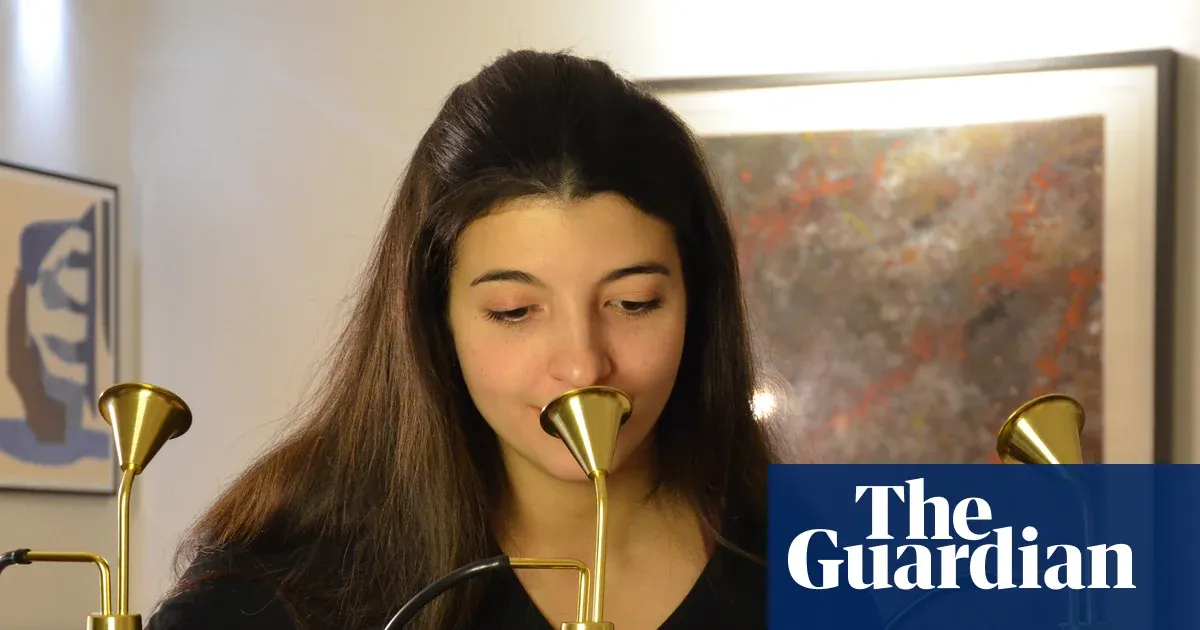
A museum visitor lifts the lid of a ceramic vessel and inhales. The scent that reaches them is 3,500 years old: honey, resin, and spices from the balms used to prepare ancient Egyptian mummies. They're experiencing history through a sense most museums have ignored entirely.
This isn't novelty. Researchers across Europe are systematically reconstructing the sensory worlds of the past—not just what things looked like, but what they smelled like, felt like, sounded like. It's a shift that's quietly reshaping how we understand heritage.
Dr Barbara Huber, an archaeochemist at Germany's Max Planck Institute, calls it a "time machine for the nose." She and her team analyzed residues from ancient Egyptian canopic jars, identifying a complex mix of beeswax, pine resins, and coumarin (a vanilla-scented compound). Working with a perfumer, they recreated the aroma—rich, warming, and not entirely pleasant. The cards and scent stations have appeared in exhibitions across Europe and reached schoolchildren studying ancient Egypt. A Canadian exhibition will feature the scent from June.
We're a new kind of news feed.
Regular news is designed to drain you. We're a non-profit built to restore you. Every story we publish is scored for impact, progress, and hope.
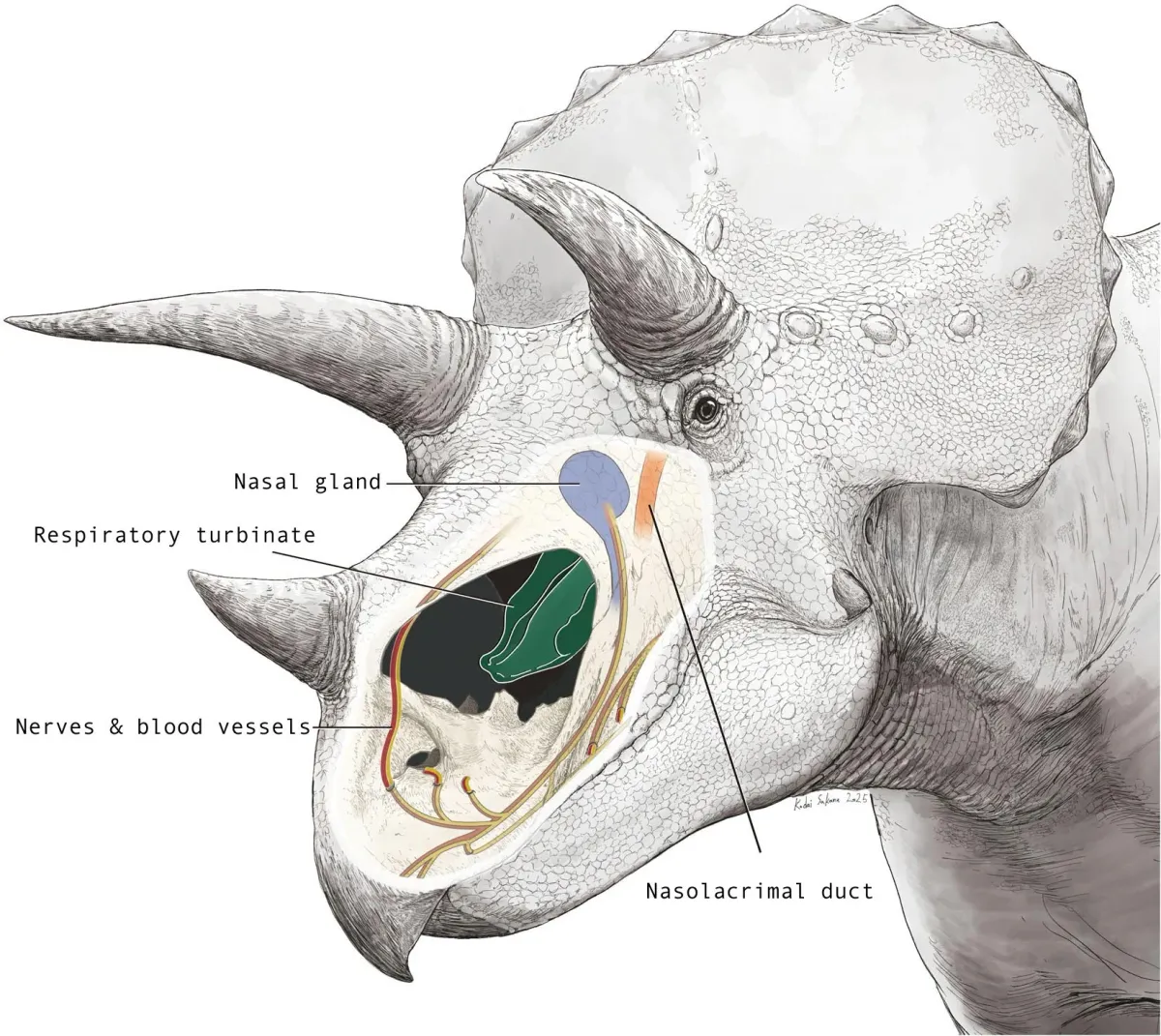
Start Your News DetoxThe approach grounds itself in chemistry and history rather than theatrical guesswork. This matters. Liam Findlay, who created the famous smellscape for York's Jorvik Viking Centre in the 1980s, explains the difference: "Back then it was primarily experiential, for fun or to shock visitors. Today we can ground scent displays in chemical analysis, archival research and interdisciplinary collaboration." His team even reconstructed the breath of a T rex, informed by fossil evidence and paleontologists' input.
The Sensory Turn in Museums
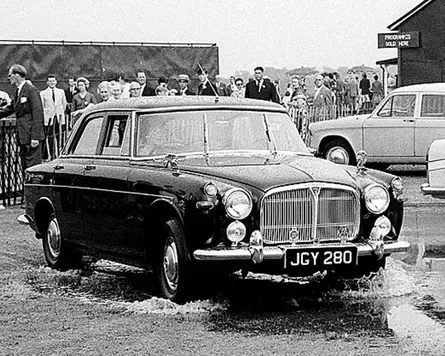
London's UCL is presenting two scents as part of its bicentenary exhibition starting March 26. One is artistic: the interior of St Paul's Cathedral library, created by perfumer Sarah McCartney—worn leather, tobacco, chocolatey vanilla, smooth wood. The other is scientific: the interior of Queen Elizabeth II's Rover P5B, reconstructed through historical research, chemical air analysis from the actual vehicle, and interviews with classic car collectors. Both offer entry points into worlds we've never been invited to inhabit.
Dr Cecilia Bembibre of UCL's Institute for Sustainable Heritage sees broader implications. "Smell could help us explore how materials were experienced, how environments were shaped by odour and how cultural practices developed in response to them." She's also working on a UK "smell inventory"—asking the public to nominate odours worth preserving for future generations. It's archival work for a sense we've barely documented.
Huber is beginning a new project reconstructing scents from across the Roman empire. What's emerging is a recognition that heritage has been profoundly vision-centric. A smell can make abstract history tangible in ways images and text cannot. The past wasn't sterile or silent—it was sensory, embodied, and often intense. Museums are finally catching up to that reality.