When James Millward walked into the National Portrait Gallery and saw Donald Trump's portrait, he noticed something was missing. The wall label that once read "impeached twice, on charges of abuse of power and incitement of insurrection" had been replaced with shorter text. He printed copies of the original label and handed them to visitors—what he called "guerrilla teaching"—until security stopped him.
That moment in late summer became the spark for something larger. Millward, a Georgetown historian, and colleague Chandra Manning decided to document what was actually written on the walls across the entire Smithsonian Institution before anything else changed. They called it Citizen Historians for the Smithsonian.
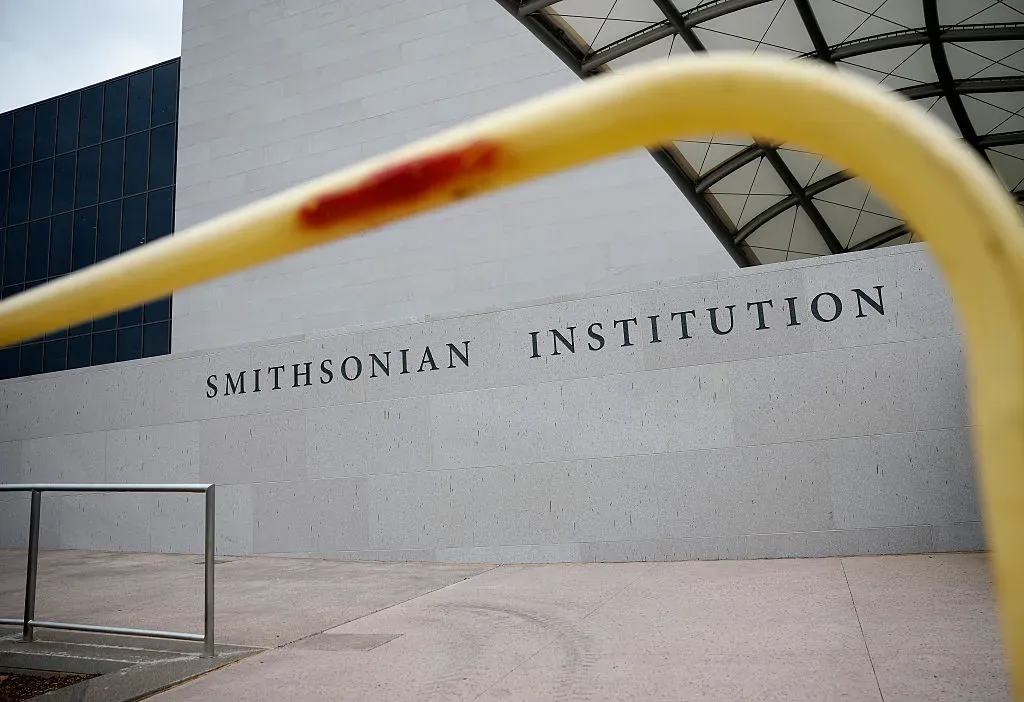
Over seven weeks, they recruited hundreds of volunteers to photograph wall text throughout the Smithsonian's 21 museums and National Zoo. The result: more than 50,000 images of labels, explanations, and historical context—all archived and preserved.
We're a new kind of news feed.
Regular news is designed to drain you. We're a non-profit built to restore you. Every story we publish is scored for impact, progress, and hope.
Start Your News DetoxWhy this matters now
The Trump administration has pressed for reviews of museum content, specifically calling for the removal of what officials describe as "divisive narratives." Museums, it turns out, are becoming a frontline in how America tells its own story. A wall label might seem small—most visitors walk past them without reading—but these few sentences shape how millions of people understand their country's past.
Millward and Manning weren't alone in sensing something worth protecting. Other grassroots efforts emerged in parallel: Save Our Signs, the History, Archives, and Records Preservation Project, and similar initiatives all focused on the same thing—documenting the historical record before it shifts.
The volunteers who joined the effort weren't trying to make a political statement. They were doing what historians do: preserving primary sources. A wall label from 2024 becomes historical evidence. If it changes, there's now a record of what was said before.
The episode at the National Portrait Gallery illustrated how fraught this territory has become. Museum officials said they "followed protocol" when clearing the gallery. Millward's action—handing out photocopies—was stopped as a security matter. Both sides felt they were doing their job.
But the volunteers kept photographing. Fifty thousand images of text that might otherwise vanish into institutional memory. It's the kind of work that rarely makes headlines, but it's the work that historians depend on: careful documentation of what was said, when it was said, and by whom.
The real question isn't whether these labels will change—institutions always evolve their interpretation of history. The question is whether there will be a record of the change, and who gets to decide what the next version says.