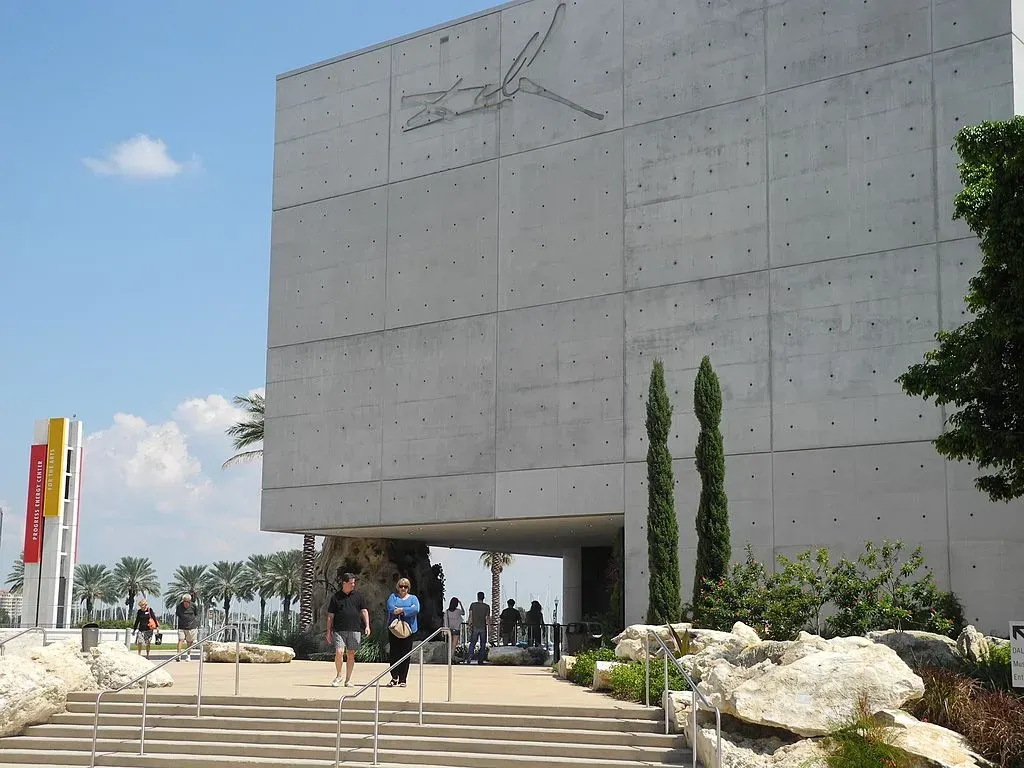
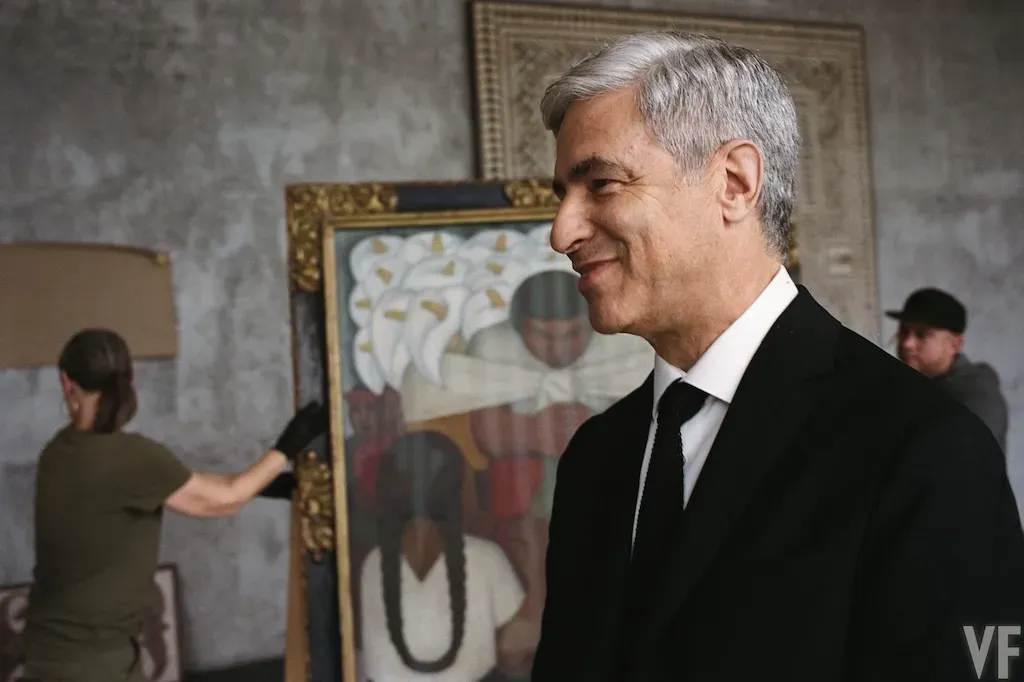
Michael Govan has spent years defending a building that looks, to some critics, like an airport terminal crossed with an amoeba. Next month, Los Angeles County Museum of Art's director will finally stop defending and start showing. The David Geffen Galleries—a $720 million structure designed by Swiss architect Peter Zumthor—opens to the public after years of construction delays, rising costs, and the kind of public scrutiny that comes with demolishing existing buildings to make room for the new.
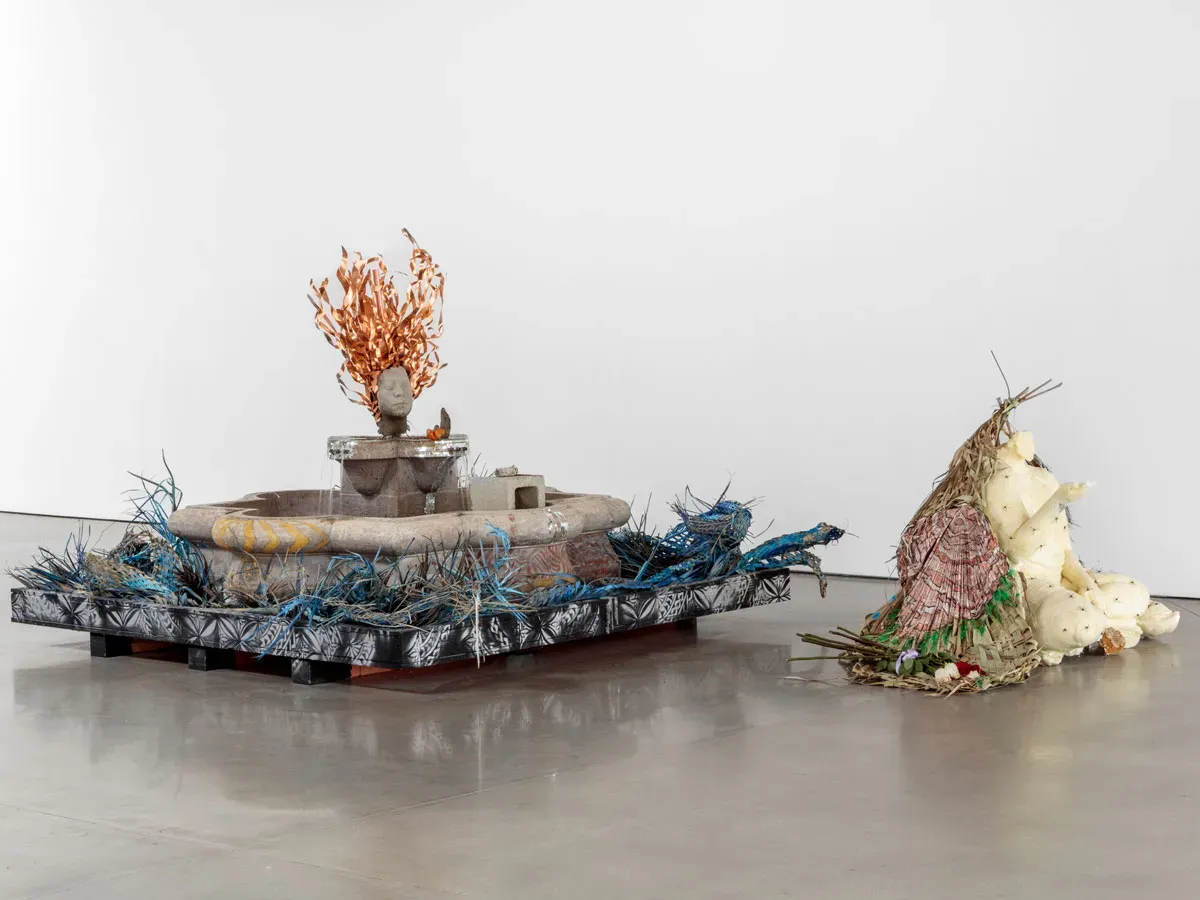
In his first public interview about the project, published in the relaunched True Colors newsletter from Vanity Fair (now arriving Fridays), Govan frames the building not as a monument to itself but as an experiment in how museums can work differently. The structure is radical in its simplicity: a single floor of 347,500 square feet that deliberately breaks with the way most encyclopedic museums organize art. Instead of separating works by geography or chronology—the traditional hierarchy that keeps Egyptian sculptures in one wing and contemporary paintings in another—Govan's approach encourages visitors to encounter objects from different cultures and eras in closer proximity. A Sumerian vessel might sit near a 20th-century abstraction. The point isn't novelty for its own sake; it's a fundamental rethinking of what a museum is for in 2025.
The building itself had to solve a very Los Angeles problem. Sitting on base isolators designed to let the massive concrete structure move during earthquakes, the Geffen Galleries are engineered to flex rather than resist—a metaphor, perhaps unintentionally, for how Govan has approached the project's turbulent public life. When asked how he responded to criticism, Govan said something revealing: he didn't. "No, no, let people get invested," he recalled telling his PR team. Rather than fighting the narrative, he leaned into it. The controversy became part of the building's cultural moment.
We're a new kind of news feed.
Regular news is designed to drain you. We're a non-profit built to restore you. Every story we publish is scored for impact, progress, and hope.
Start Your News DetoxA Museum Built for This City

Govan is also explicit about something that often goes unspoken: this building works here, in Los Angeles, in a way it might not elsewhere. "LA's the place to try it," he said. "I don't think you could have done this in, even, Chicago, or Cincinnati." That's worth sitting with. LACMA isn't claiming universality; it's claiming specificity. The experiment is rooted in this city's particular visual culture, its relationship to architecture, its willingness to tolerate the unconventional.
When the galleries open next month, the museum is planning galas, concerts, and large-scale installations featuring works that have been in storage during construction. Vanity Fair's Spring issue will include exclusive photographs of the completed space.
The real test isn't whether critics will stop comparing the building to an airport terminal. It's whether the interior—that radically reorganized collection, those unexpected juxtapositions—will change how visitors think about art and museums themselves. That's the kind of investment that matters.