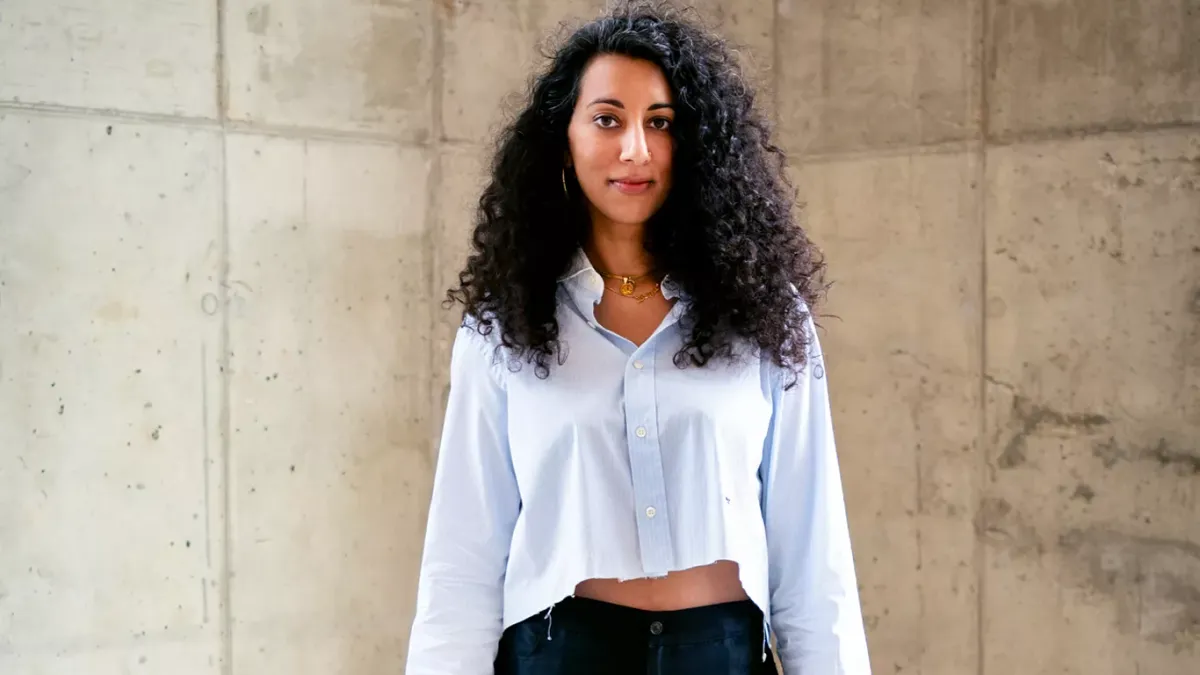
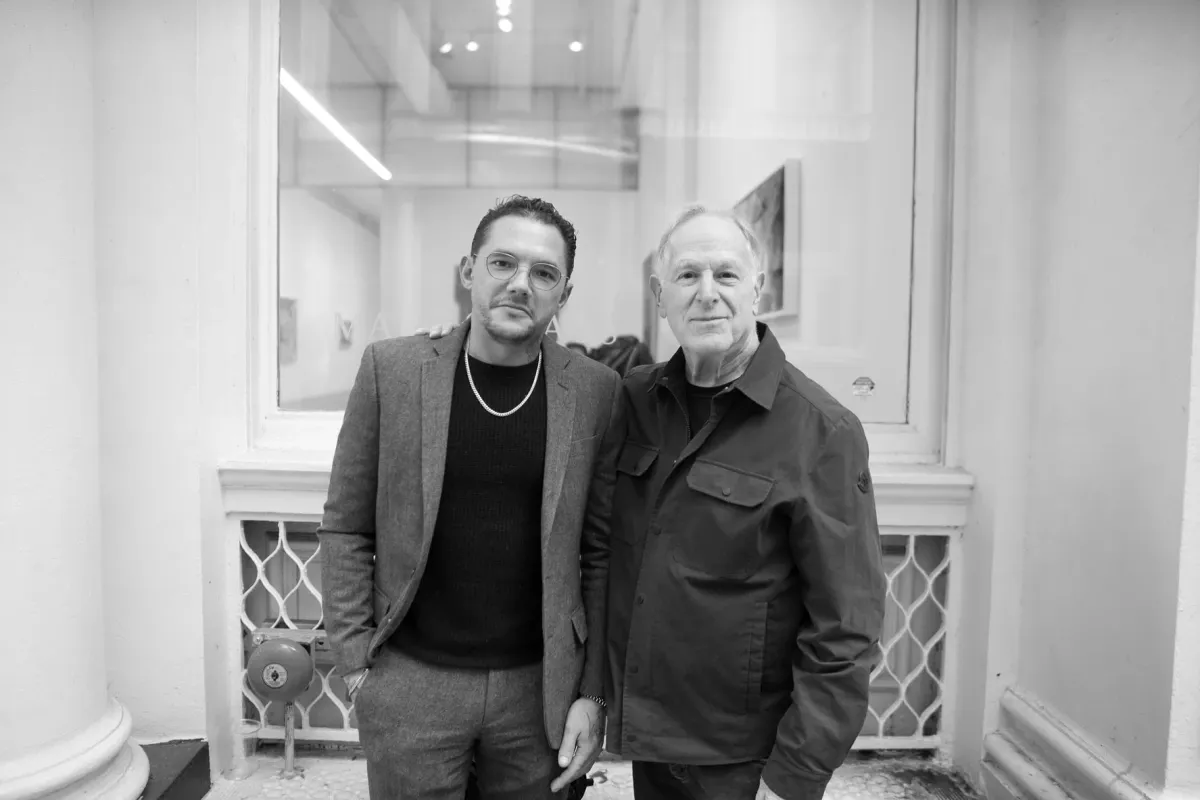
Graham Wilson spent three years building Swivel Gallery from scratch, moving through three boroughs as he found his footing. Now he's stepping back from solo operation—not because the gallery failed, but because he realized that staying independent was becoming harder than joining forces.
Swivel is merging with Marc Straus Gallery, a more established operation with two locations in Manhattan. Wilson is becoming a partner and senior director. Swivel's Tribeca space closes, but its roster of emerging artists—including Amy Bravo and Kiah Celeste, both gaining museum attention—moves into Straus's larger infrastructure. The Lower East Side location will host a group show of Swivel's artists starting March 19.
The Economics of Scale
This isn't a story about failure. It's a story about what happens when the math stops working for smaller galleries operating alone. Rising rents, staff costs, and the expense of participating in art fairs (Swivel was hitting 10 annually) create a squeeze that's hard to absorb on a single roster's sales. "It's about having the right amount of staff and resources, and having those resources even in a down market," Wilson said.
We're a new kind of news feed.
Regular news is designed to drain you. We're a non-profit built to restore you. Every story we publish is scored for impact, progress, and hope.
Start Your News DetoxWhat's interesting here is the timing and the pattern. Gallery mergers are becoming the move for mid-sized operators who want to keep growing without burning out. Last September, dealers Bridget Donahue and Hannah Hoffman merged their galleries. Lisbon's Galerie Madragoa and Warsaw's Galeria Dawid Radziszewski just announced a joint venture in Milan. These aren't desperation plays—they're strategic consolidations by people who've built something real and now want to scale it differently.
Wilson, a former artist himself, started Swivel in 2021 in Bed-Stuy, then moved to Bushwick in 2023 and finally to Tribeca in late 2024. That's a lot of movement for a young gallery, which suggests both ambition and the instability that comes with independent operation. Straus brings something Swivel couldn't generate alone: institutional weight. The gallery represents established artists like Vienna Actionist Hermann Nitsch and painter Sandro Chia, plus sculptor Rona Pondick. That's the "think tank" Wilson mentioned—experienced perspective on how to position and support artists as their careers develop.
The real insight here is that this merger actually creates a stronger platform for Swivel's artists than they'd have staying independent. Bravo and Celeste are already showing in major museums (Buffalo AKG, Studio Museum in Harlem). Under Straus's umbrella, they get access to a larger collector network and more staff support—the kind of institutional machinery that matters when an artist's career starts moving fast. Straus gets fresh voices and a new generation of emerging talent. It's the kind of trade that only works if both sides genuinely believe they're stronger together.
Wilson's comment about feedback is revealing too. "As an emerging gallerist it's difficult because you have so little feedback on what you are doing," he said. "The only feedback you get is congratulations." That isolation—even when things are going well—is exhausting. A merger solves that by bringing experienced eyes and collaborative decision-making into the room.
The broader pattern suggests that the gallery world is reshaping itself around collaboration rather than competition, at least for mid-tier operators. Consolidation isn't new in art dealing, but it's becoming more visible and more strategic. As collectors and audiences tire of market saturation, galleries are betting that fewer, stronger operations will serve everyone better.