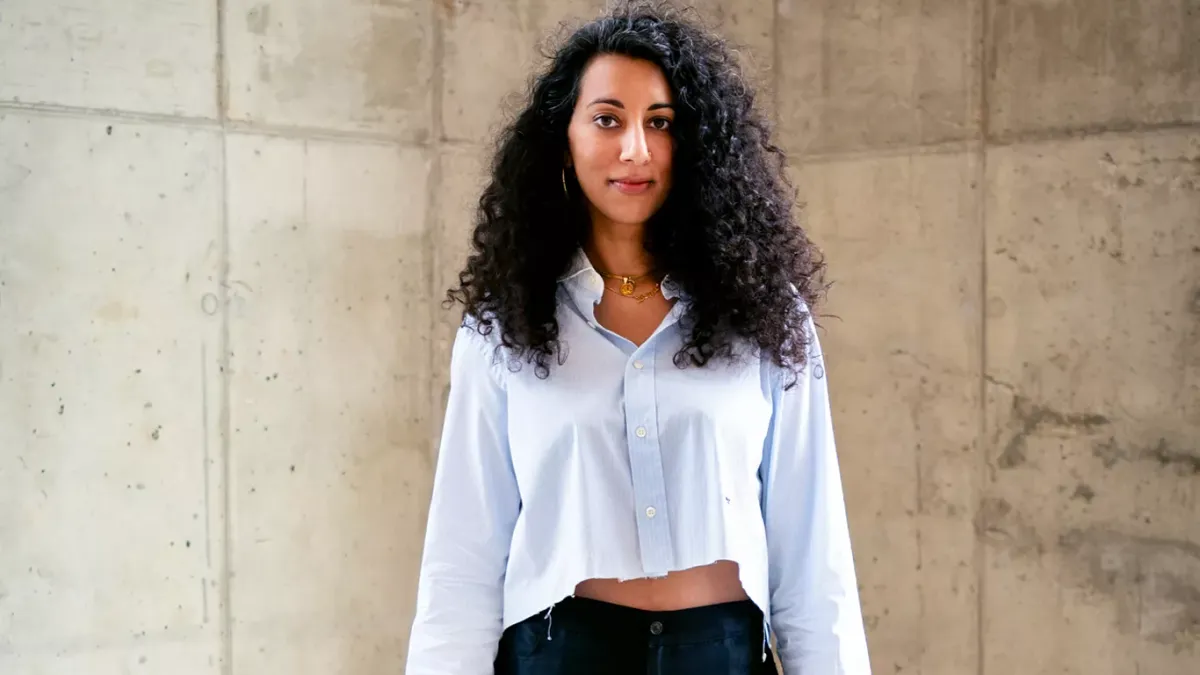
Diya Vij, a 40-year-old curator who has spent her career championing art as a tool for social change, is now leading New York City's Department of Cultural Affairs—the largest municipal arts funder in the United States. The appointment marks a significant moment: Vij is the first person of South Asian descent to hold the role, and she's stepping in at a moment when the city's creative ecosystem is under real strain.
As commissioner, Vij oversees $245 million in annual funding distributed across over 800 cultural organizations in all five boroughs. It's one of the most influential positions in American arts, and it's never been more consequential. Galleries are closing. Artists are leaving. The pandemic's recovery has been uneven. Federal funding cuts and political pressure on diversity initiatives have created what Vij describes as a "landscape of fear."
"All this instability makes it really difficult for organizations to take the risks they need to take, to address the issues of the day and be spaces for community to come together in joy and imagination and dissent," she told the New York Times.
We're a new kind of news feed.
Regular news is designed to drain you. We're a non-profit built to restore you. Every story we publish is scored for impact, progress, and hope.
Start Your News DetoxBut Vij isn't new to navigating crisis. At Creative Time, she launched CTHQ, a gathering space for artists working at the intersection of art and politics, and established a fellowship specifically for socially engaged artists. She helped realize The World's UnFair, a 2023 installation by New Red Order, an Indigenous artist collective that called for the return of public and private lands to Indigenous people. Before that, she worked at the High Line and Queens Museum, building a track record of centering artists and communities in her curatorial decisions.
What's notable about Vij's appointment is that she's not arriving as an outsider. She spent four and a half years inside the DCA itself from 2014 to 2019, launching the Public Artists in Residence program and leading the agency's diversity and equity initiatives. She understands the machinery from the inside—the budget constraints, the bureaucratic friction, the political pressure. She also understands what's at stake. "Art is not ornamental to this city—it is essential to it," Mayor Zohran Mamdani said in announcing her selection.
The real test isn't whether Vij believes in art's value. It's whether she can protect it while the ground shifts beneath New York's creative community. She's inheriting an agency that must now defend the very idea that culture matters—not as luxury, but as infrastructure. That's a different job than building new programs. It's about holding the line while fighting to expand it.
Vij reports to Julie Su, the city's first deputy mayor for economic justice, signaling that arts funding is now explicitly tied to broader economic survival for the city's creative workers. The next few years will show whether that structural shift translates into real protection for the artists and organizations that make New York what it is.