China is moving solid-state batteries from lab curiosity to industrial reality. A new pilot facility in Beijing—backed by state-owned enterprises, battery giant CATL, and automaker SAIC Motor—will produce 25 tons of solid-state electrolyte materials annually, marking the first step toward manufacturing batteries that could outlast and outperform everything on the road today.
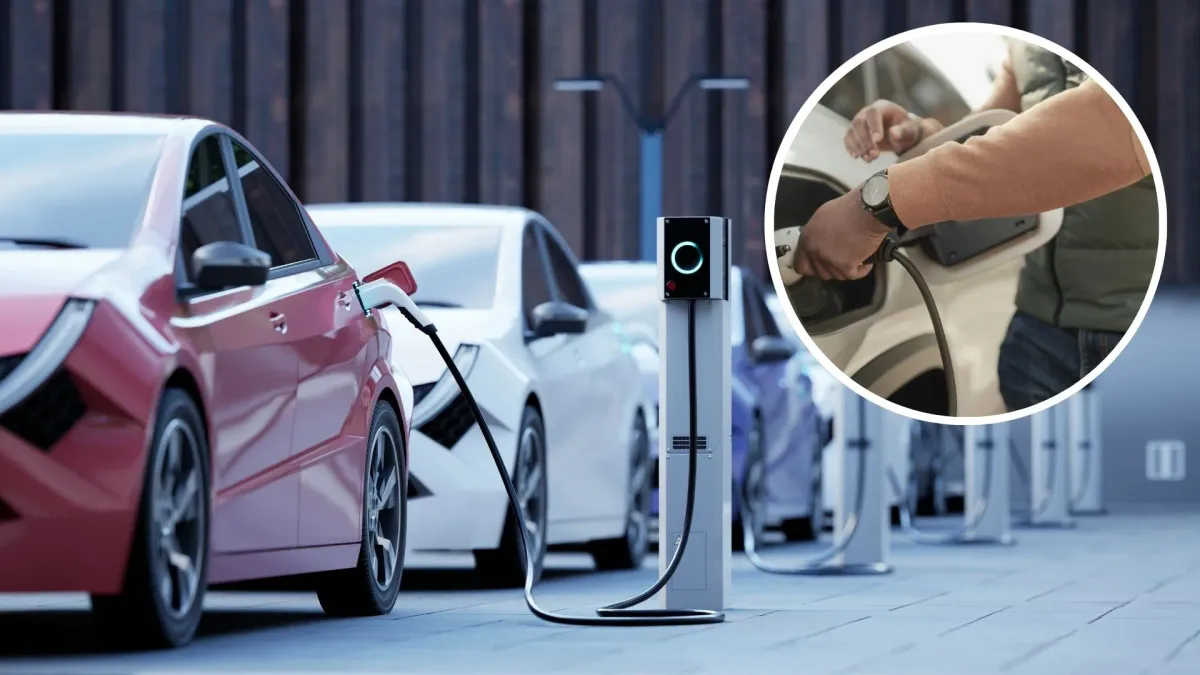
Solid-state batteries replace the liquid electrolyte inside conventional batteries with solid material. The payoff is substantial: higher energy density, faster charging, better safety, and potentially double the range of current EVs. But getting there requires solving manufacturing puzzles that researchers have been chasing for over a decade.
Why This Matters Now
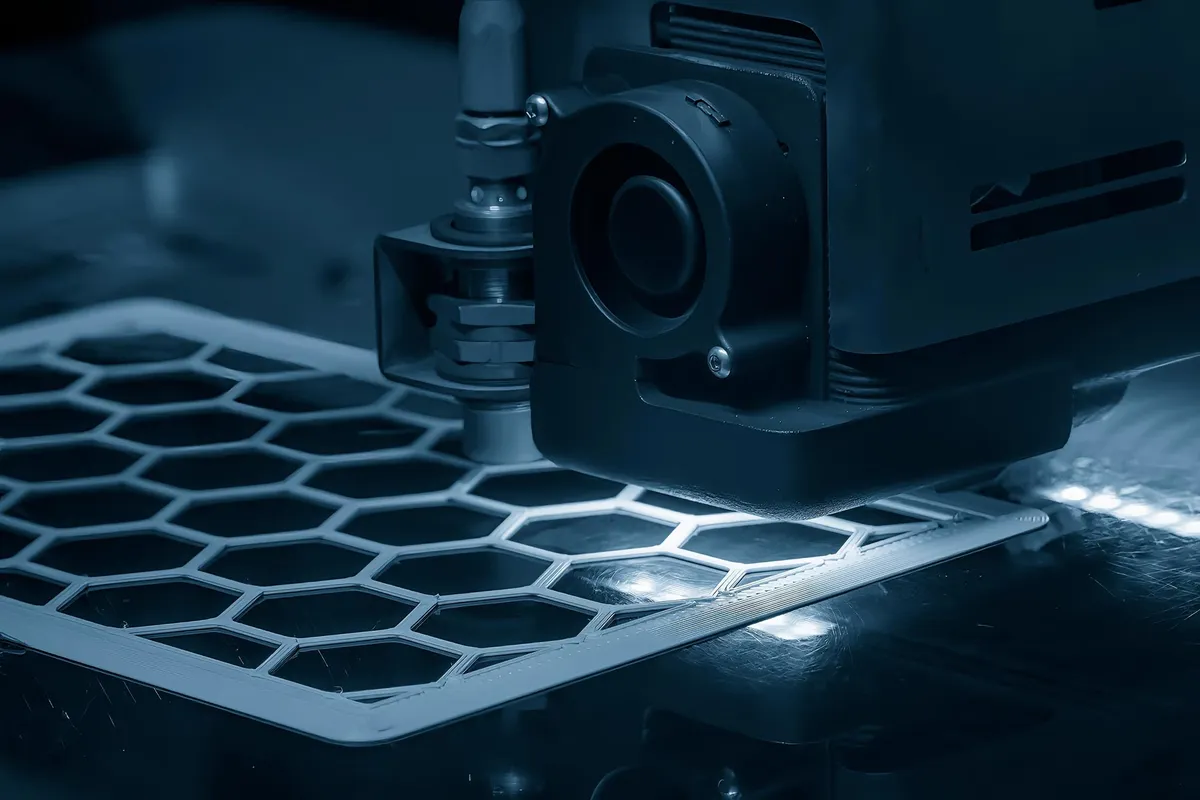
The facility, housed in Beijing's Yanqi Economic Development Zone, isn't a factory yet—it's a validation platform. The consortium is essentially building the infrastructure to test whether solid-state electrolytes can be made reliably, consistently, and at scale. Think of it as the bridge between "this works in a lab" and "we can make millions of these." The 25-ton annual output sounds modest, but it's designed to be. The goal is to gather data, refine processes, and train the engineers who'll eventually run full production lines.
We're a new kind of news feed.
Regular news is designed to drain you. We're a non-profit built to restore you. Every story we publish is scored for impact, progress, and hope.
Start Your News DetoxWhat makes this timing significant is the policy shift. China has just issued a consultation draft for its first national standard on solid-state batteries—a signal that regulators believe the technology is moving from "someday" to "soon." Without standards, manufacturers can't confidently invest billions in retooling factories. With them, the supply chain can actually form.
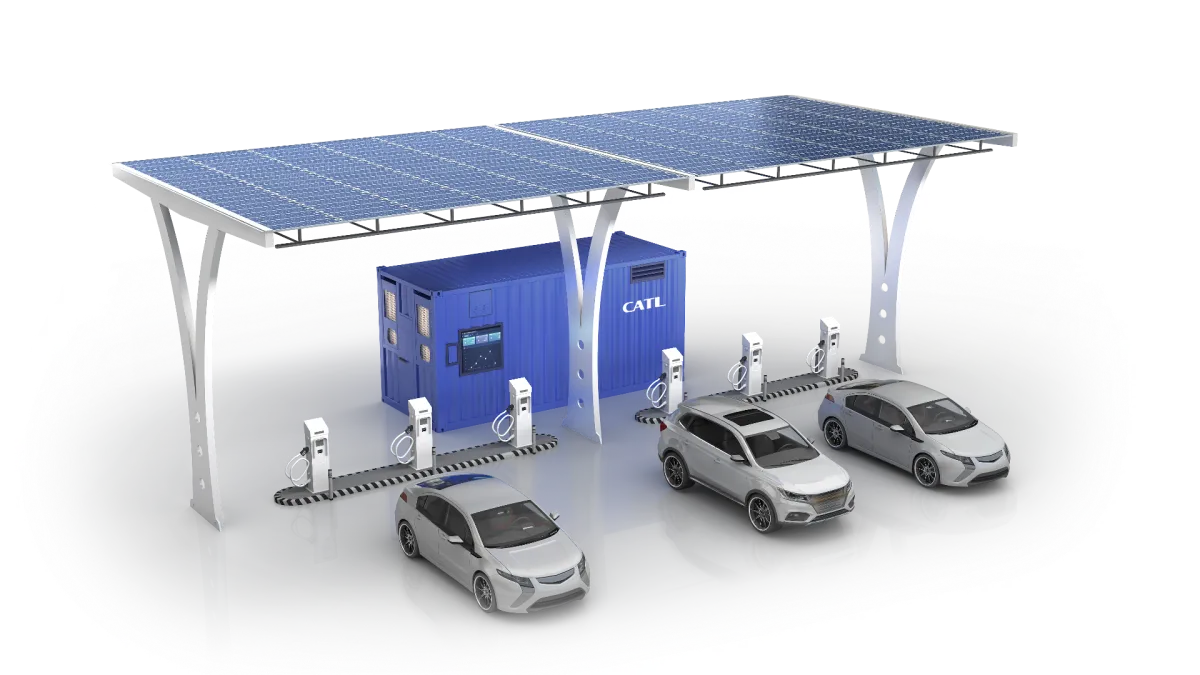
The battery sector has become the clearest proxy for EV dominance. CATL already supplies roughly 40% of the world's EV batteries. If China can crack solid-state manufacturing first, it extends that advantage into the next generation of vehicles. South Korea and Japan have solid-state programs running too, but this Beijing project suggests China is moving faster on the infrastructure side—the less glamorous but equally critical piece.
Full commercial deployment is still years away. Manufacturing challenges remain real: solid-state materials are brittle, prone to cracking, difficult to scale. But the fact that CATL and SAIC are co-investing signals they believe the technical hurdles are surmountable. When the world's largest EV battery maker puts resources into a shared testing facility, it's not hedging—it's betting.
The next milestone will be whether this pilot facility actually produces the data and breakthroughs needed to justify commercial factories. If it does, the solid-state batteries in your next EV might carry "made in Beijing" on the label.