Tungsten carbide-cobalt is the kind of material that stops ordinary tools in their tracks. It's what you find in drill bits that bore through rock, saw blades that cut steel, and construction equipment that takes a beating. For decades, making it meant relying on powder metallurgy — a process that wastes material, costs money, and doesn't scale easily.
Now researchers have figured out how to 3D print it.
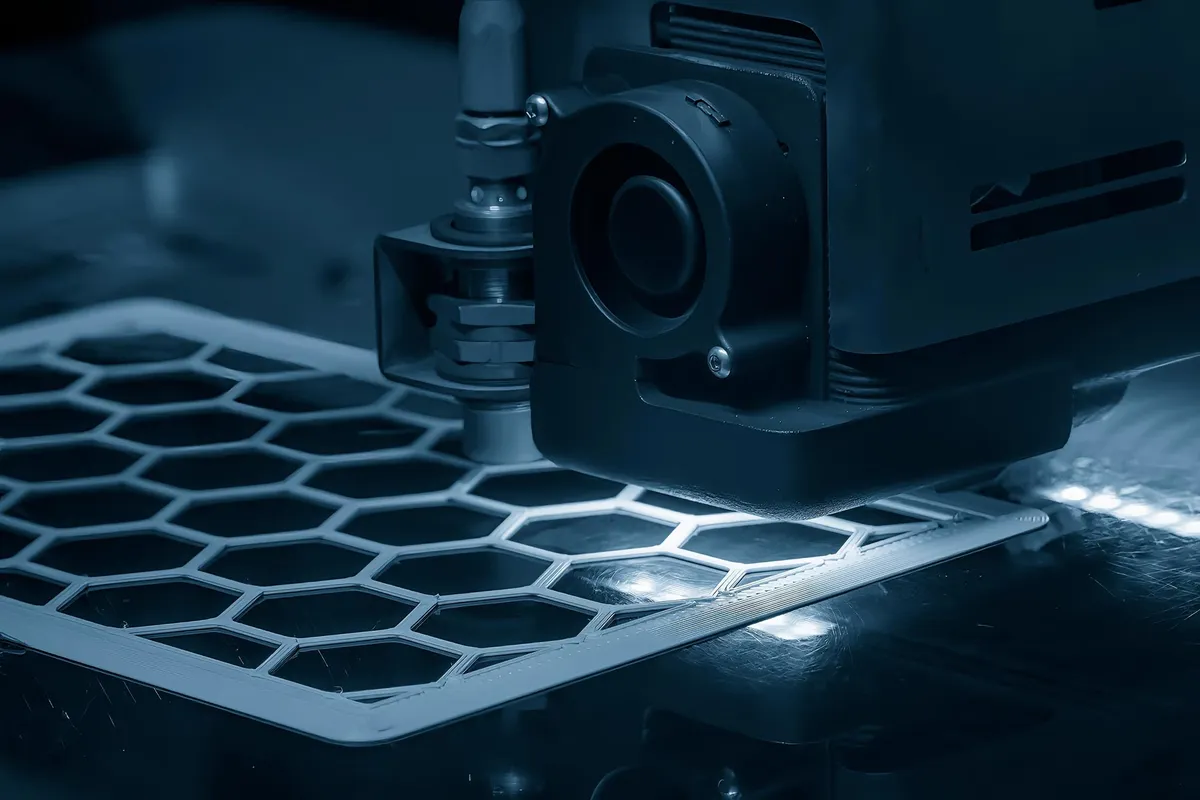
The breakthrough combines additive manufacturing with hot-wire laser irradiation, a technique that sounds more complex than it works. Instead of melting tungsten carbide completely (which damages its crystalline structure), the researchers use a preheated wire and laser beam to selectively soften the material just enough. This deposits the carbide only where it's needed, cutting waste and energy use. The laser doesn't have to work as hard, which means faster printing and lower costs.
The team tested two approaches: one where the carbide rod leads the laser, and another where the laser moves ahead. The results were telling. The laser-leading method worked best, producing material with a hardness rating above 1400 HV — a measure of resistance to penetration that ranks among the toughest substances in industrial use, sitting just below sapphire and diamond. Crucially, there were no defects or decomposition. The material matched what traditional manufacturing produces.
We're a new kind of news feed.
Regular news is designed to drain you. We're a non-profit built to restore you. Every story we publish is scored for impact, progress, and hope.
Start Your News Detox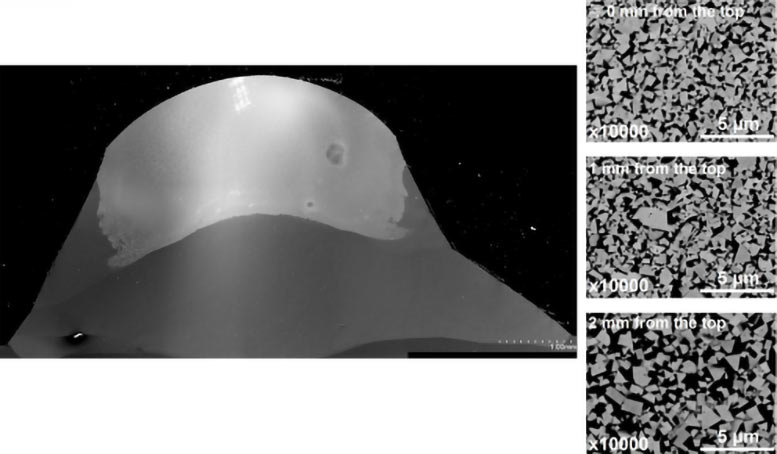
There are still wrinkles to iron out. The rod-leading method caused unwanted decomposition, and the laser-leading approach required adding a nickel alloy layer to maintain hardness. But the core insight — that you can 3D print one of Earth's hardest materials without destroying what makes it hard — opens a door that was previously closed.
The implications ripple outward. If you can print tungsten carbide on demand, in precise shapes, with minimal waste, you're not just improving one manufacturing process. You're changing what's economically possible for cutting tools, drill bits, and industrial components that currently require expensive, inefficient production methods. The researchers are already planning the next steps: fabricating actual cutting tools, testing the approach on other brittle hard materials, and solving remaining durability issues.
This is the kind of progress that doesn't make headlines but quietly reshapes what engineers can build.